Essential Tools for Metal Jewelry Making Guide
Intro
Metal jewelry making is an art form that has fascinated and inspired countless individuals, from enthusiasts creating personal pieces to professionals establishing their brands. The craftsmanship involved requires not only creativity but also an array of tools that enhance the ability to shape, form, and detail exquisite jewelry. This extensive guide dives into the essential tools for metal jewelry-making, helping both beginners and seasoned artisans alike to understand the significance, functionality, and proper maintenance of these instruments. By the end of this journey, we aim to enrich your knowledge of metal jewelry making, empowering you to refine your craft and create pieces that speak to your artistic vision.
Gemstone Overview
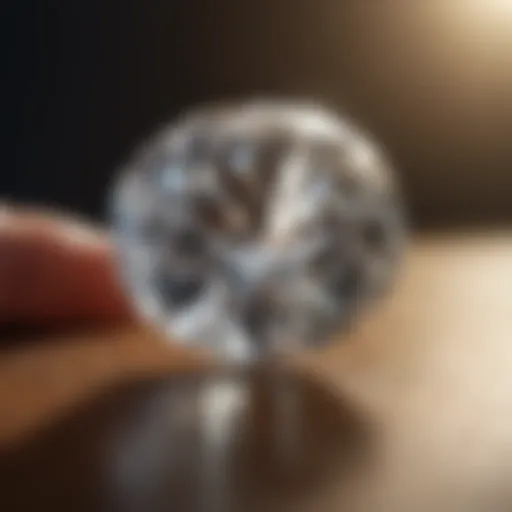
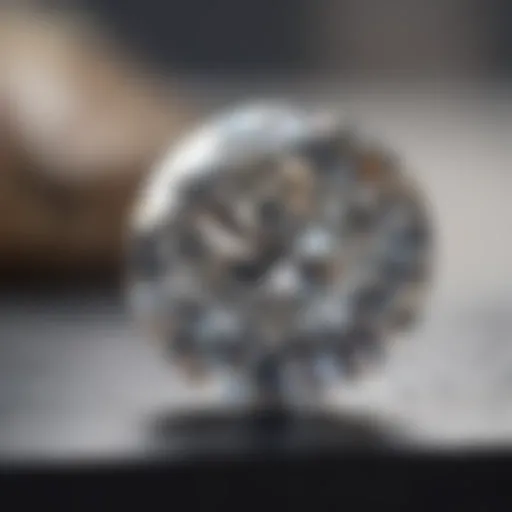
In the world of jewelry making, gemstones often play a pivotal role, providing color, value, and brilliance to the pieces. Understanding gemstones begins with a clear definition and an appreciation of their unique characteristics.
Definition and Characteristics
Gemstones are generally defined as precious or semi-precious stones that have been cut, shaped, and polished to be used in jewelry or decoration. Various qualities can make these stones desirable:
- Color: The hue, tone, and saturation can dramatically affect a gemstone's appeal. For instance, a ruby's striking red captivates collectors.
- Clarity: This relates to the transparent nature of the stone and the presence of inclusions, which affect its beauty.
- Cut: The quality of a gemstone’s cut can maximize its brilliance and overall aesthetic.
- Carat weight: Heavier stones often carry a higher value, but this isn’t the sole determinant of worth.
Classification of Gemstones
Gemstones fall into different categories based on their properties. Broadly, they can be classified into:
- Precious gemstones: Diamond, emerald, ruby, and sapphire are considered the elite gems. Their rarity and beauty often place them at the top of the market.
- Semi-precious gemstones: Stones like amethyst, topaz, and garnet, though still beautiful and valuable, don’t hold the same market demand as precious stones.
- Organic gemstones: Unique materials such as pearls, amber, and coral, which originate from living organisms, add a distinct dimension to the classification.
As we traverse this guide on essential tools for metal jewelry making, it’s crucial to appreciate how these stones affect design decisions, influencing which tools are necessary for their incorporation into jewelry pieces.
The tools you choose for working with gemstones can greatly enhance the overall quality of your creations, giving life to imaginative designs that reflect your style.
"Every tool you choose is a brush to paint your masterpiece!"
As we delve deeper into the mechanisms of metal jewelry creation, we will explore additional tools and techniques that will sharpen your skills and broaden your artistic horizon.
Prelims to Metal Jewelry Making
Metal jewelry making stands as a fascinating blend of artistry and skill, creating breathtaking adornments that capture a variety of aesthetics and emotions. This craft requires more than just creativity; it calls for a nuanced understanding of materials, techniques, and especially the tools that help bring a vision to life. Before plunging into the intricate world of metalwork, it’s essential to grasp what metal jewelry making entails and why it matters to both creators and aficionados.
Defining Metal Jewelry Making
In essence, metal jewelry making involves the manipulation of metal to produce wearable art, balancing both function and beauty. This process can incorporate various metals, from gold and silver to copper and brass, each offering its own unique characteristics and challenges. As a jewelry maker, one must develop a keen eye for design while also mastering a variety of methods such as soldering, forging, and casting. The merger of these techniques with design intuition results in pieces that not only dazzle but also tell stories. The defining factor here is the emphasis on craftsmanship, making it crucial for a jewelry maker to understand the properties of metals, their working capabilities, and how to handle them with prowess.
The Importance of Quality Tools
Having the right tools is a cornerstone to any successful craft, and metal jewelry making is no exception. The importance of quality tools cannot be overstated. High-grade tools not only make tasks easier but also ensure precision and control. Imagine trying to cut a fine piece of metal with a dull blade; it’s more likely you’ll end up with jagged edges and frustration rather than the smooth lines you envisioned. Quality tools can be the difference between a piece that looks amateurish and one that embodies professional craftsmanship.
Moreover, investing in reliable tools can enhance efficiency. When tools perform as expected, makers can focus on their artistry rather than battling with ineffectiveness or tool breakdowns. Understandably, this investment may seem daunting at first, especially for those just starting out, but the long-term benefits are meaningful. Take, for example, a good pair of pliers—they can save time, enhance safety, and are integral for tasks ranging from bending wires to grasping small components.
"High-quality tools can elevate your work from simple craft to exquisite artistry."
Ultimately, understanding the intricacies of metal jewelry making lays the groundwork for success, underscoring the importance of investing time and resources into the craft. Crafting a piece of jewelry is not merely about assembling materials; it’s about uniting them through skill and quality—where tools play an intimate role in this engagement.
Essential Hand Tools for Beginners
When embarking on the journey of metal jewelry making, having a solid arsenal of hand tools is crucial. These tools not only aid in various crafting techniques but also enhance the quality of resulting pieces. Starting out with the right tools allows beginners to experiment, create, and refine their skills without encountering overwhelming obstacles. By mastering the essential hand tools, you’ll lay a strong foundation for your jewelry-making adventures.
Pliers: Versatility in Action
Types of Pliers
Pliers come in many shapes and sizes, each tailored to specific tasks in metal jewelry making. Among the most common are chain-nose pliers, round-nose pliers, and flat-nose pliers. Chain-nose pliers are perfect for gripping and bending wire without leaving marks. Round-nose pliers allow for creating loops, essential for making earring hooks or jump rings. Flat-nose pliers, on the other hand, are great for holding and folding metal with precision.
Their versatility makes pliers an indispensable tool for beginners. Being able to switch between different types helps one tackle various tasks, from simple wire wrapping to more complex connections in a design. It’s like having a Swiss Army knife right in your toolbox, offering functionality tailored to your creative needs.
Choosing the Right Pliers
Choosing the right pliers isn’t merely about picking any tool; it's about understanding your specific requirements for each project. Look for pliers with comfortable, ergonomic handles that fit well in your hand. A tool that feels good to hold promotes better control, which is key when handling delicate materials.
Additionally, pay attention to the jaw length. Longer jaws can reach deeper into tight spaces, while shorter jaws allow for precision in more intricate designs. Balancing these factors can significantly impact your crafting experience. Therefore, investing time in selecting the right pliers pays off in smoother and more enjoyable creation.
Cutting Tools: Slicing Through Metal
Wire Cutters
Wire cutters are a staple in every jeweler's toolbox. They are designed to swiftly and cleanly slice through wires of varying gauges, making them an essential tool for beginners. A notable feature of high-quality wire cutters is a flush-cut design that minimizes burrs and sharp edges after a cut. This attention to detail ensures that your final piece will have a polished finish, reducing the need for additional filing later.
The proper gauge and style of wire cutter should depend on the type of wire you intend to use. For softer wires, a standard cutter may suffice, but for harder, thicker wires, a pair with sturdy blades that can withstand the pressure is essential.
Shears and Saws
When it comes to larger sheets of metal or intricate designs requiring detailed cuts, shears and saws become indispensable. Metal shears offer a quick solution for cutting straight lines or simple curves, while a jeweler's saw provides the precision needed for more elaborate patterns. The saw allows for detailed scrolling work that is simply impossible with other tools.
What sets these tools apart is their versatility—shears are ideal for broad cuts, while saws shine in detailed, exact cuts. Both have their place in a jeweler’s toolkit, enabling the transition from general shaping to precision crafting with ease.
Hammers: Crafting with Impact
Types of Hammers
When hammering metal, it’s not just about brute force; it's about finesse. Hammers come in several varieties tailored for different tasks. A brass hammer is used often to avoid marring softer metals, while a ball peen hammer can produce rounded effects and shape materials efficiently. The right hammer can lead to precision in shaping and forming your work.
Having a selection of hammers means you can choose appropriately based on project requirements, making your work more efficient and providing a wider range of possibilities.
Choosing the Right Hammer for Your Work
Selecting the appropriate hammer is not just about the type but also the weight and size of the hammer. A lightweight hammer is suitable for delicate work or metal that requires nuanced shaping, while a heavier hammer is better suited for hardening metals through impacts. Knowing how to choose the right hammer based on the task at hand can considerably enhance your technique, making the difference between a good piece and a great one.
In summary, investing in essential hand tools like pliers, cutting tools, and hammers greatly enriches the metal jewelry-making experience. By grasping their specific uses and the nuances of choosing the right ones, beginner jewelers can build a solid foundation that supports both creativity and precision.
Specialized Tools for Advanced Techniques
In the world of metal jewelry making, specialized tools play a critical role for those looking to excel beyond the basics. These tools cater to specific tasks and techniques, providing jewelers with the ability to create intricate designs and achieve a level of precision that ordinary hand tools simply cannot offer. With the right specialized equipment, artists can elevate their craftsmanship, push boundaries, and explore creative possibilities that lead to stunning pieces.
Dremel Tools: Precision and Power
Dremel tools represent a versatile class of rotary tools that have become indispensable in the jewelry-making realm. The high-speed rotary action provides precision and efficiency, allowing jewelers to execute delicate work with ease.
Types of Attachments
There’s a wide variety of attachments available for Dremel tools that enhance their functionality immensely. These attachments include sanding bands, cutting wheels, and polishing brushes. Each different type serves a unique purpose. For instance, cutting wheels can slice through metal with exceptional control. The advantage of using such attachments lies in their easy interchangeability, enabling seamless transitions between tasks. However, attention must be paid to compatibility; not every attachment fits every model, which could lead to frustration if the wrong ones are purchased.
Applications in Jewelry Making
Dremel tools have proven their worth in multiple contexts of jewelry making. They can be used for everything from shaping and smoothing to engraving and polishing various materials. Their lightweight design makes them approachable even for those who are new to jewelry making. One of the standout applications of Dremel tools is in intricate engraving work, opening doors for personalization like monograms or decorative patterns. This dynamic versatility, however, can be a double-edged sword. Without caution, the high speeds can scorch delicate materials, leading to irreversible damage.
Jewelry Saws: Precision Cutting
When it comes to precision cutting in metal jewelry making, jewelers typically turn to saws designed specifically for this purpose. Properly utilizing a jewelry saw can transform the cutting process, letting artisans achieve shapes and details that are hard to replicate with other tools.
Choosing Saw Blades
Selecting the right saw blade is fundamental to achieving precision results. Blades come in various sizes and thicknesses, each suited for specific types of metal and applications. A finer blade may be ideal for more detailed work, while a thicker blade could make quicker work of larger cuts. The key to selecting the right blade often lies in understanding the material being cut, as softer metals may require different blades compared to harder ones. A mismatched blade can quickly frustrate and exhaust even the most seasoned crafter.
Techniques for Effective Cutting
Mastering effective cutting techniques can significantly improve the outcome of every jewelry project. Jewelers are encouraged to practice steady hands and consistent pressure while sawing, as this contributes to smoother edges and cleaner cuts. Additionally, using a light touch can prevent blade breakage, which is particularly common when working with harder materials. There are advantages to carefully angling cuts for artistic flair, but this does call for some practice and knowledge of one’s tools.
Setting Tools: Embracing Gemstone Placement
Setting tools are vital for jewelers who incorporate gemstones into their designs. The placement and security of stones can make or break a piece, so understanding the tools available is crucial for effective work.
Types of Setting Tools
The landscape of setting tools encompasses a range of instruments—prong lifters, bezel pushers, and burnishers—all designed to facilitate secure placement of gemstones. Each tool has features tailored to specific settings. For instance, a prong pusher is great for securing stones in prong settings, while bezel pushers create a snug fit around cabochons. The benefit of diversity is apparent; having the right tool allows artisans to approach various styles with confidence. Neglecting to invest in the correct tools could lead to difficulties in achieving a polished look in settings.
Understanding Stone Settings
Navigating through different types of stone settings calls for a good understanding of one’s chosen materials. From the classic prong settings to intricately designed pave settings, each offers its unique aesthetic and requires specific techniques. Knowing the advantages and disadvantages of each becomes essential in selection; while some settings provide more security, others prioritize the visibility of the stone. Embracing the nuances of gemstone placement can define a jeweler’s style, making it a fundamental component of successful jewelry design.
"The right tools are not just about functionality; they are integral to expressing one's artistic vision in every piece."
In summary, investing in specialized tools and mastering advanced techniques in metal jewelry making allows artisans to breathe life into their creative visions. With Dremel tools, jewelry saws, and setting tools in one’s kit, the potential for innovation is boundless, leading to remarkable works that stand the test of time.
Workstations and Safety Equipment
The environment where metal jewelry making takes place is as crucial as the tools themselves. An efficient workstation minimizes clutter and maximizes creativity, while safety equipment ensures that the artisan remains unscathed while pursuing their craft. This section delves into the details of creating an ideal workspace and the safety essentials that must be in place, helping you work smarter and more securely.
Creating an Efficient Workspace
Organizing Your Tools
When you’re knee-deep in a jewelry-making project, digging through a jumble of tools can wreak havoc on your focus. Organizing your tools efficiently not only saves time but also boosts your productivity. A clean workspace promotes a clear mind. Choose toolboxes with compartments or hanging boards to keep everything in its designated spot. Using labeled storage can also be a game-changer, making it easier to grab what you need without the chaotic search.
The standout characteristic of this organization system is the ability to see everything at a glance. No more guesswork about whether you have a particular size of plier or a specific gauge of wire available. A well-organized workspace naturally encourages ongoing projects to flow smoothly, as all necessary tools are within arm's reach. However, good organization depends on the space available. If the area is small, it may pose challenges in utilizing storage solutions effectively.
Workspace Comfort

Working for hours on end requires a workspace that caters to comfort to prevent physical fatigue. Ergonomic furniture and tool placement play crucial roles in achieving this comfort. Utilize height-adjustable tables and ergonomic chairs to ensure that you’re seated correctly while working on intricate pieces of jewelry. A comfortable workspace helps avoid strain and discomfort, preventing interruptions to your flow.
One unique feature of enhancing comfort in your workstation is incorporating soft mats for standing work, which eases pressure on your joints. Maintaining comfort not only enriches the working experience but also can significantly improve your output. Contrarily, some may argue that investing in this comfort comes with extra costs, thus requiring careful budgeting and planning.
Safety Gear Essentials
Protective Eyewear
Jewelry making involves sawing, cutting, and soldering, all processes that can generate flying debris or harmful fumes. Protective eyewear becomes more than just a suggestion; it’s a necessity. Using appropriate goggles can protect your eyes from tiny shavings or splashes when working with chemicals. The key characteristic of protective eyewear is its ability to guard against varied hazards while still being comfortable for prolonged use.
Deciding to wear protective eyewear serves to not only comply with safety practices but also promotes peace of mind during the creation process. Disadvantages might include fogging and weight, which can sometimes lead to discomfort. But all in all, the importance of safety cannot be understated.
Respiratory Protection
Certain materials and techniques can produce harmful particles and fumes, making respiratory protection essential. Using masks or respirators that fit well and filter out dangerous particulates ensures your lungs are safe from danger. The effective feature of masks designed for jewelry making is their adaptability for different environments and processes, providing tailored protection.
Implementing respiratory protection mitigates health risks, especially for those who frequently work with solder or abrasive materials. On the downside, some masks can be uncomfortable—especially over extended periods, which might detract from the crafting experience. However, the value of safeguarding your health far outweighs these inconveniences.
"Your workstation is where creativity sparks and safety prevails; invest in both to truly flourish in metal jewelry making."
Maintenance and Care of Tools
Maintaining your tools is crucial in the world of metal jewelry making. A well-cared-for tool not only performs better but extends its lifespan considerably. The act of maintenance might seem tedious, especially when you're eager to dive into creating your next piece of jewelry. However, neglecting this aspect can lead to tools that malfunction or, worse, break altogether right when you need them most. This section delves into the cleaning techniques and storage solutions that are key to upholding the integrity of your tools, ensuring they are always in tip-top shape and ready for action.
Cleaning Techniques for Longevity
Materials for Cleaning
When it comes to cleaning your tools, the right materials are everything. A soft cloth is often your best ally, especially for delicate parts. Using abrasive materials can leave scratches or damage sensitive surfaces, which can significantly affect the tool’s performance over time. Additionally, a mixture of warm water and mild soap is usually sufficient for most cleaning tasks. It’s gentle yet effective. In contrast, commercial cleaners may contain harsh chemicals that could frighten your tools away for good.
"Take care of your tools, and they’ll take care of you."
Ultimately, choosing appropriate cleaning materials plays a vital role in the upkeep of your tools, contributing to their longevity and effectiveness in producing intricate jewelry pieces.
Frequency of Maintenance
This brings us to how often you should perform maintenance. A golden rule is to clean your tools after every use. Though that might sound excessive, think of it as a small investment in your craft. A quick wipe after each session prevents the buildup of grime and rust. On the other hand, tools that gather dust or dirt may require deeper cleaning every few weeks. Adopting a regular cleaning schedule is a popular choice among seasoned jewelry makers, keeping tools in good working condition seamlessly.
Storage Solutions for Tool Preservation
Organizational Systems
An effective organizational system is key to protecting your tools. Without structure, it can be easy to misplace or damage your gear. A simple toolbox can do wonders, but make sure it's spacious enough to accommodate all your prized tools. Dividers can add a helpful layer of organization, allowing you to categorize tools based on their type or function. This approach not only makes your workspace tidy but also diminishes the chances of losing a tool that might just be the missing piece in your next creation.
Protecting Tools from Damage
Lastly, protecting tools from damage is paramount. Using a padded toolbox can cushion tools from impact during transport, and placing them in separate compartments reduces the grouping that can lead to scratches or nicks. For spiky or sharp tools, employing a tool roll or protective sheath is a beneficial move, adding another layer of security against accidental injuries while also preserving your equipment. A tool that is stored with care will be a tool that serves you far longer than one left to fend for itself in a cluttered drawer.
By diligently maintaining and caring for your tools, you ensure they remain reliable companions in your jewelry-making journey. Good tools, when treated well, can help turn creative ideas into stunning pieces that dazzle and delight.
Cost Considerations and Tool Investment
In metal jewelry making, understanding the financial aspect of tool acquisition is as crucial as the craftsmanship itself. The right tools don’t just enhance your work; they can make or break your projects. Every maker needs to balance the cost of tools against their budget and how often they'll use them. Investing correctly can save you money down the line and boost the quality of your creations.
Budgeting for Essential Tools
When you're just starting or even if you're well into your jewelry-making journey, setting a budget is vital. It helps in narrowing down your options and prevents impulse purchases that could lead to regret.
Finding Quality Tools at Various Price Points
Finding quality tools at various price points can feel like searching for a needle in a haystack. However, it’s not impossible. One of the key aspects here is knowing that quality doesn't always mean costly. Many manufacturers offer tools that are reasonably priced without compromising on functionality. Think about brands like LASET for pliers or Beadsmith for cutting tools.
The remarkable thing about finding these tools is their durability. A tool that might seem expensive at first glance can save you money in the long run since they often require less maintenance and replacement. For instance, a good set of wire cutters can run from $10 to $50 or more, but investing a bit more might give you a precision tool that lasts years.
Evaluating Cost vs. Frequency of Use
As you gear up toward purchasing tools, evaluating cost versus frequency of use comes into play. If you’re a hobbyist working on projects sporadically, it might not make sense to splurge on high-end tools designed for daily use. Conversely, if you are establishing a business in metal jewelry making, the tools you choose should reflect your commitment.
A fundamental characteristic of this evaluation is understanding what tools you will use frequently versus those that will sit in your drawer collecting dust. You might love complex soldering tools, but if those projects are few and far between, a more budget-friendly version could suffice.
Investing in Quality Over Quantity
This concept is paramount in the metal jewelry-making arena. It’s tempting to purchase multiple inexpensive tools, but that practice might lead to disappointment when they fail to perform as expected.
Long-Term Benefits of High-Quality Tools
Investing in high-quality tools can be seen as a commitment to your craft. When you have tools that feel good in your hands and perform well, there's a noticeable difference in your work. High-quality tools usually come with a manufacturer’s warranty, giving you added peace of mind.
Their durability often translates to a higher initial price but can save money overall. You won't be constantly repurchasing substandard tools. A durable hammer or precise saw, for example, can stick around for years, potentially outliving cheaper alternatives.
Assessing Your Growth as a Jeweler
As you evolve in your art, the tools you use should, too. Understanding your growth means acknowledging when it’s time to upgrade your inventory. New tools can open sudden doors to techniques and styles you didn’t think possible before.
Investing in new, specialized tools when you reach certain milestones in your jewelry-making journey – such as mastering a new technique – ensures that you’re ready to tackle more advanced projects. It's all about balance; knowing when to spend and when to hold back can be the fine line between stagnation and progression in your skills and artistry.
"A good craftsman doesn’t blame their tools, but they certainly choose wisely."
As you navigate through these cost considerations and learn to invest wisely, your skills will not only flourish but resonate with the passion you have for metal jewelry making. This investment isn’t merely about tools; it’s about fostering a deeper connection with your craft.
Integrating New Tools into Your Craft
In the realm of metal jewelry making, introducing new tools into your practice is not just an upgrade; it’s a pivotal transformation of your creative landscape. The way you approach design, efficiency, and craftsmanship can markedly shift with the inclusion of advanced equipment. Navigating this process entails a learning curve, yet the rewards are substantial—enhanced detailing, intricate designs, and improved workflow.
By adapting new tools, jewelers can explore techniques that were once beyond reach. Take laser cutters, for example. These tools open endless possibilities for precision, allowing for intricate shapes and designs that manual methods may not achieve. Such integration fosters creativity, but knowing when and how to strike the balance between traditional methods and modern advancements is key.
Learning to Use Advanced Tools
Finding Instructional Resources
One of the first steps in mastering new tools is finding robust instructional resources. There’s a wealth of materials out there, from video tutorials on platforms like YouTube to dedicated online courses that delve deep into specific techniques. Websites such as Craftsy or Skillshare offer valuable guides tailored for jewelers at any level. Their modular format enables learners to dive into subjects at their own pace.
Additionally, books from seasoned jewelers serve as excellent references. Often, these resources also come with step-by-step instructions and illustrations, making them popular choices for practical learning. Seek out community groups on Facebook or Reddit where experienced jewelers casually share insight and resources; they can point you toward hidden gems in instructional materials.
The challenge, however, lies in the immense variety of resources—some may be outdated or not fit your specific tool needs. Take the time to vet the material before investing hours into learning. Select resources that resonate with your learning style and provide a clear path to understanding advanced tools.
"The right instructional guide can shorten your learning curve significantly. In jewelry making, time savings equal more fulfilled creative exploration."
Practicing Techniques
Once you have a handle on the instructional resources, the next step is hands-on practice. Repetition is critical in solidifying your understanding of any new technique. Set aside dedicated time to focus solely on these new tools without other distractions. Use scrap metal to practice until you feel confident.
It's particularly beneficial to engage in exercises that reinforce your skills and build familiarity with your tools. From basic cutting techniques to complex settings, practicing ensures that you don't just understand how something works, but you also become adept in using it creatively. This approach strengthens your muscle memory and encourages more spontaneous design thinking.
However, sometimes, this can lead to frustration if the tool feels out of reach. Acknowledging that mastery takes time is integral. Each practice session—even the mistakes—provides a lesson. Documenting these learning experiences might prove useful, enabling you to track your progress.
Adapting Existing Techniques to New Tools
Experimentation for Innovation
As you become comfortable with your new tools, consider how they can transform the techniques you currently use. This experimentation can lead to innovative designs that reflect your unique style. Integrating a new soldering technique with traditional hammer work, for instance, could yield an unexpected aesthetic or functional outcome.
Find inspiration by observing how other artists utilize tools in unconventional ways. Experimentation pushes boundaries and fosters an environment where improvement flourishes. This process isn't devoid of risk; some trials might not translate into successful results. Yet the learning from these endeavors often leads to breakthroughs.
The beauty of experimentation lies in its unpredictable nature. You might stumble upon an innovative way to manipulate metal or discover an exciting new texturing technique that becomes a signature style in your work.
Combining Techniques for Unique Results
Like a chef blending flavors, merging techniques can yield extraordinary results. Imagine taking the finesse from wire wrapping and combining it with the precision of the latest laser etching tools. This synthesis could lead to jewelry pieces that are unlike anything seen before.
To successfully meld techniques, begin with smaller projects that allow for risk-taking without the weight of significant investment. Gradually layer new methods into your work until they feel natural. Over time, this experimental mindset could lead to a distinctive body of work that tells your unique story.
However, it’s essential to approach combining techniques with a plan. Not every pairing will complement one another, and understanding the characteristics of the materials and tools involved can save a lot of headaches.
Integrating new tools into your jewelry-making process is a journey. It requires diligence, practice, and a willingness to venture outside of your comfort zone. Yet, the potential rewards—both stylistically and technically—are immeasurable. With a blend of strong instructional resources, dedicated practice, and a spirit of experimentation, you can truly elevate your craft.
The End: The Journey of Tool Mastery in Metal Jewelry Making
Metal jewelry making is more than a mere hobby; it's an intricate dance of creativity, precision, and skill. As we wrap up this comprehensive guide, it's crucial to reflect on the significance of tools in this journey. Just as a writer crafts narratives with a pen, a jeweler shapes stories with their tools. Each item in your toolkit plays a pivotal role in transforming raw metal into wearable art.
Reflecting on Your Tool Collection
Your tool collection is not simply a bunch of items tossed together; it's a reflection of your growth as a craftsman. Each tool has a story—perhaps it's the first hammer you bought, or that specialized saw that made your designs come to life. Over time, you’ll find that your collection evolves alongside your skills and experiences. Take some time to consciously assess what you have:
- What tools have become your go-to favorites? Is it the pliers that bend perfectly?
- Are there tools gathering dust? Maybe they didn’t live up to the hype or perhaps you outgrew them.
- Have you discovered new tools that spark joy or inspire fresh ideas?
By routinely reflecting on your tools, you sharpen not just your collection but also your understanding of what you truly need to excel in your craft.
Encouraging Continuous Learning and Tool Improvement
In the world of metal jewelry making, stagnation is the enemy. Simply knowing how to use your tools is just the first step. Mastery comes with continuous learning and adaptation. Consider these points to cultivate a mindset geared towards improvement:
- Hands-On Practice: Regularly challenge yourself with new techniques. Learn how different tools can shift your approach, such as incorporating a Dremel tool for detailed engraving.
- Seek Out Knowledge: Take workshops, follow online courses, or even join forums where gem enthusiasts share their wisdom. Revisiting resources like Wikipedia or communities on Reddit can be invaluable.
- Experiment and Innovate: Don’t just stick to tried-and-true methods. Integrate advanced tools into your workflow. Experimenting can lead to unique outcomes and set your work apart.
Growing in your craft and improving your tool collection are interdependent processes. The more you push your boundaries, the more your toolset will naturally evolve. Remember, the objective isn't just to accumulate tools; it’s to develop a set that resonates with your artistic vision.
"Tools are as important to a jeweler as paint is to a painter. They’re not just utensils; they’re extensions of creativity."