Understanding the Unique Appeal of Yellow Diamonds


Intro
Yellow diamonds have a charisma that often leaves onlookers captivated. Their sunny hue stands out in a sea of more traditional stones, drawing in collectors and enthusiasts alike. Through this piece, we embark on a journey to unearth their many layers of value. Not merely confined to their dazzling appearance, these gems offer insights into geology, economics, and their own rich symbolism.
As we dig deeper, we will examine the unique properties that define yellow diamonds, differentiating them from their more commonly known relatives, while also exploring their significance within the gemstone market. This narrative will appeal to those who appreciate gems not just for their beauty, but for the stories they help tell.
Gemstone Overview
Definition and Characteristics
Yellow diamonds, also known as canary diamonds, are a precious variety of diamonds that exhibit a warm, vibrant yellow color. Their hue originates from traces of nitrogen incorporated into their crystal structure during formation. The intensity of the yellow can vary greatly; some may sport a soft, pale yellow, while others radiate a striking, deep gold tone. This color variance is one of the most compelling aspects of yellow diamonds, often influencing their market value.
Beyond color, yellow diamonds are characterized by their durability and brilliance, making them an ideal choice for various types of jewelry. They possess the same hardness as other diamonds—10 on the Mohs scale—ensuring that they can withstand the wear and tear of daily life.
Classification of Gemstones
When we categorize gemstones, they typically fall into two main classes: precious and semi-precious. Yellow diamonds are considered precious gemstones, alongside their colorless counterparts, as well as blue and pink diamonds.
In terms of classification, diamonds can also be divided based on their color grades. The Gemological Institute of America (GIA) classifies diamonds on a scale from D (colorless) to Z (light yellow). Within this scale, yellow diamonds usually range from light yellow to fancy vivid yellow, with the latter commanding the highest prices.
Other factors influencing classification include carat weight, clarity, and cut—all pivotal attributes contributing to a stone's overall appeal and market desirability.
Properties of Gemstones
Physical Properties
The physical properties of yellow diamonds are similar to those of any diamond. Not only are they exceptionally hard, but they also boast a high degree of brilliance and fire, which can dazzle in any setting. Their high refractive index means they can reflect light brilliantly, a characteristic that spells an eye-catching display of sparkle. Additionally, yellow diamonds have a specific gravity of about 3.52 to 3.53, confirming their remarkable density.
Chemical Properties
Chemically, diamonds are composed of carbon atoms arranged in a crystal lattice structure. In yellow diamonds, the nitrogen atoms' presence alters this structure, resulting in the distinctive hue. The impact of these nitrogen atoms on the diamond can influence how light interacts with the stone, leading to variations not just in color but also in the diamond's overall character.
"Yellow diamonds are a testament to nature's creativity, blending beauty with science in ways that captivate and inspire."
As we move further into this exploration, we will dissect the economic implications accompanying yellow diamonds, alongside their cultural relevance across the globe. By marrying the natural allure of these gemstones with their real-world applications, we can glean a profound appreciation for what yellow diamonds truly signify.
Prologue to Yellow Diamonds
Yellow diamonds have long captured human imagination with their rich hues and unique allure. In the realm of gemstones, they stand out not just for their striking color but also for the stories they tell. There’s much more to these gems than meets the eye, and grasping their significance can provide deeper appreciation for both collectors and enthusiasts alike.
When we define yellow diamonds, we begin to understand why they hold such a prestigious place in the market. Their vibrant shades range from soft pastels to deep canary, each variation carrying its own appeal and market value. This diversity is a major factor in their desirability, meaning that whether you’re an astute collector or simply captivated by their beauty, you’re bound to find a hue that resonates with you.
Defining Yellow Diamonds
Defining yellow diamonds requires delving into their unique characteristics. Color plays a pivotal role in determining both beauty and value. Yellow diamonds get their color from the presence of nitrogen in the crystal structure. Unlike more common diamonds which are colorless, these stones can be classified based on their saturation and tone into categories like fancy light yellow, fancy yellow, and fancy intense yellow.
This classification brings certain nuances into play that are essential for buyers to understand. For instance, a fancy intense yellow diamond generally commands a higher price than its fancy light counterpart, due to its bolder color and rarity. Buying a yellow diamond isn't just about the aesthetic; it's also an investment, and knowing how each classification affects value is crucial.
"The most vibrant yellow diamonds often carry a captivating energy that draws attention and admiration, making them a prime choice for unique jewelry pieces."
Historical Context
Understanding the historical context of yellow diamonds enriches our understanding further. These gems have been adored throughout different eras, often regarded as symbols of wealth and status. In ancient times, yellow diamonds were often thought to have mystical properties and were treasured by royalty and the elite. The famous canary yellow diamonds, for instance, began to gain recognition in Europe during the 19th century when they were worn by nobility who wanted to showcase their opulence.
In modern times, yellow diamonds are no less significant. The discovery of sites such as the Argyle mine in Australia during the 1980s brought an influx of yellow diamonds to the market, influencing their availability and desirability. Today, their history continues to evolve as more people appreciate their unique charm, blending timeless elegance with a contemporary edge.
Thus, the journey of yellow diamonds from ancient ruins to modern jewelry showcases not only their beauty but also highlights societal changes and the evolving perception of value.

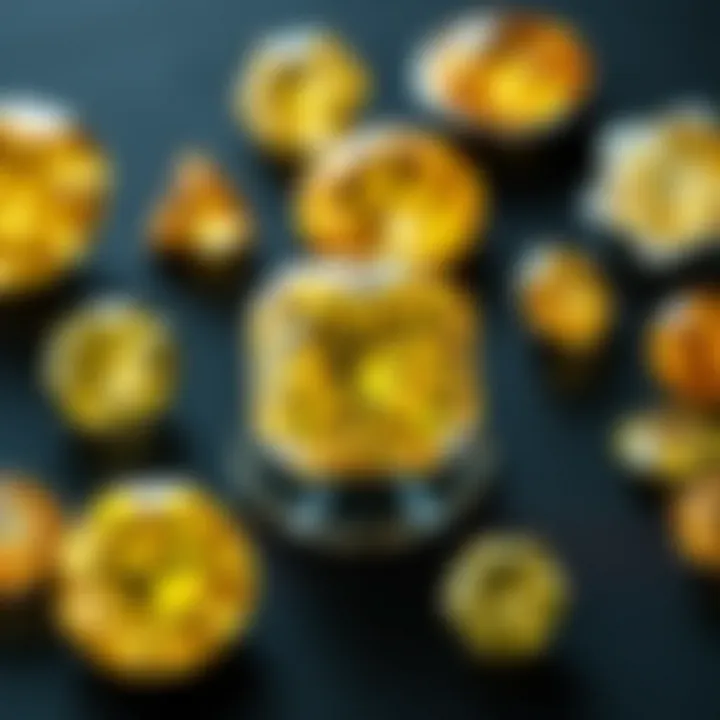
The Geological Significance of Yellow Diamonds
The realm of yellow diamonds extends beyond mere aesthetic appeal; their geological origin and formation processes impart a deeper significance that adds to their allure. Understanding the geological significance of yellow diamonds draws attention to not just how these prized gems are formed, but also what influences their striking colors and value in the market. This section delves into two critical aspects: the formation and origin of yellow diamonds and the natural processes that shape their unique hue.
Formation and Origin
Yellow diamonds, much like their colorless relatives, originate deep within the Earth’s mantle. Their formation begins around 1 to 3 billion years ago under conditions of extreme heat and pressure. Carbon, the fundamental building block of all diamonds, crystallizes to form these spectacular gems.
However, the presence of nitrogen atoms in the crystallization process is what ultimately sets yellow diamonds apart from others. The nitrogen can either be present in isolated or aggregated forms. This distribution significantly influences the shade of yellow seen in the diamond. To others, it may just be a speck of color, but to gemstone enthusiasts, it highlights the intricate dance of elements that lead to the creation of these diamonds. Thus, while every yellow diamond may share a common origin, its journey—the precise way it forms, how nitrogen interacts during crystallization—result in a gem that is uniquely its own.
Natural Processes that Influence Color
The vivid hues of yellow diamonds, ranging from pale champagne to deep canary yellows, are not mere happenstance; they are the product of intricate geological processes. During the formation of a diamond, various natural processes can influence its ultimate color. Here are some noteworthy factors:
- Nitrogen Content: The most significant factor affecting yellow diamonds, nitrogen occurs in two forms: single atoms or pairs. The type and concentration of nitrogen can dictate whether the diamond will be a soft yellow or a rich golden shade.
- Heat Treatments: Although many prefer natural formations, some yellow diamonds are enhanced through controlled heat treatments, intensifying their color. This practice does not impact their quality or value significantly but showcases how humanity interacts with nature's handiwork.
- Radiation Exposure: In rare cases, exposure to radiation during the diamond's formation can lead to color variations that include yellow. It's a subtle factor but adds another layer to the geological tale.
- Pressure Variations: Different pressures during diamond formation can lead to variances in crystal structure, contributing to the overall color influence, thus creating a spectrum of yellows.
Understanding these natural processes not only unveils the intricacies of yellow diamonds but also underscores the importance of geological conditions in the appreciation of these gems.
"The hue of a yellow diamond is more than a visual treat; it tells a story of the Earth's inner workings and the chemical symphony required to create such beauty."
Market Dynamics
Understanding the market dynamics surrounding yellow diamonds is crucial for anyone interested in these majestic gemstones. The interplay of supply and demand, alongside various valuation factors, significantly influences the market landscape. Whether as investments or heirlooms, recognizing how these dynamics function lends insight into both the market's current state and its future trajectories.
Supply and Demand Analysis
The supply of yellow diamonds is quite limited, primarily due to the specific geological conditions required for their formation. Unlike colorless diamonds, yellow diamonds receive their distinctive hue from nitrogen impurities during their crystallization. This particular trait makes their occurrence not just a matter of chance, but rather a rarity in the diamond market.
Demand for yellow diamonds has been on a steady rise, fueled by increasing popularity in high-end jewelry designs and growing awareness among collectors. Designers have taken a keen interest in incorporating yellow diamonds into breathtaking pieces, enhancing their appeal. The blend of this increased interest and the natural scarcity of these gems creates a delicate balance that can shift quickly based on consumer trends and economic conditions.
- Rarity: Since they are less abundant compared to colorless diamonds, the allure of yellow diamonds is partly rooted in their limited supply.
- Consumer Trends: As fashion evolves, there may be periods when yellow diamonds are all the rage, while other times they might take a backseat. Keeping an ear to the ground about these trends is critical for purchasers and sellers alike.
A potential pitfall to consider is the fluctuation in prices that follows economic downturns. Just like other luxury items, yellow diamonds may see demand dip when wallets tighten. Conversely, during booms, their price may inflate rapidly, leading to potential bubbles in the market. Awareness of these trends can help you navigate buying or selling decisions wisely.
Valuation Factors
Valuation of yellow diamonds involves several factors that can make or break their worth. These elements require a keen eye and a bit of knowledge to properly assess each gemstone.
- Color Intensity: Yellow diamonds are classified into categories based on their color intensity, ranging from light yellow to vivid yellow. The deeper and more vibrant the hue, the more prized the diamond tends to be.
- Clarity: Like all diamonds, clarity plays a significant role in determining value. Fewer inclusions or blemishes generally mean a higher price tag. Enthusiasts will prioritize clarity alongside color when evaluating potential purchases.
- Size: The carat weight also impacts valuation. Larger yellow diamonds are rarer and command higher prices, showcasing an individual's willingness to invest in both size and aesthetic beauty.
- Cut: The way a diamond is cut affects not just its sparkle but its perceived quality. A well-cut yellow diamond can enhance the richness of its color, making it even more desirable.
"The interplay of color and clarity in yellow diamonds is akin to a dance; each aspect must harmonize to reveal the gem's true beauty."
In summary, understanding the market dynamics for yellow diamonds is not merely about keeping up with supply and demand. There's a rich interplay of various valuation aspects that contribute to their overall significance. Acknowledging these factors can empower collectors and traders to make informed decisions in a market that frequently shifts.
Comparative Qualities of Yellow Diamonds
When discussing the value of yellow diamonds, one of the pivotal aspects to consider are their comparative qualities in relation to other diamonds. This section will reveal unique insights into yellow diamonds by positioning them against colorless diamonds and other fancy-colored diamonds. Understanding these distinctions helps gemstone enthusiasts, collectors, and jewelry designers appreciate their rarity and allure.
Yellow versus Colorless Diamonds
Yellow diamonds stand apart from their colorless counterparts in several ways. The primary difference lies in their hue. While colorless diamonds are renowned for their purity and brilliance, yellow diamonds boast a rich, warm tone that adds a different kind of sparkle. Color can dramatically influence the pricing of each gem. Generally speaking, a pure, colorless diamond often fetches a higher price due to its perceived rarity. Yet, as the color intensity of a yellow diamond increases, so does its value.
The cut and clarity also play crucial roles in the evaluation. A well-cut yellow diamond can exhibit a vibrant color saturation, making it often more desirable than even a colorless stone of similar quality. In simple terms, if you’re shopping for something that stands out, a yellow diamond can be an captivating choice.
"Value isn’t merely about clarity and carat; it’s the character of the diamond—its rich colors tell a story of their own."
Unlike colorless diamonds, yellow diamonds may have secondary hues, such as brown or green. These nuances can affect their visual appeal and pricing. Buyers should be aware that an intense, pure yellow can be labeled "fancy" and often commands a premium. On top of that, the GIA (Gemological Institute of America) has a specific grading scale for colored diamonds, which adds an extra layer of complexity when sizing up investments.
Comparison with Other Fancy Colored Diamonds
When you stack yellow diamonds against other fancy-colored diamonds, the intrigue only deepens. Fancy colored diamonds come in an array of shades—including blues, pinks, and greens. Each of these colors elicits different sentiments and cultural beliefs. For instance, blue diamonds are often associated with tranquility, while pinks evoke love. Yellow diamonds, in contrast, can symbolize warmth, happiness, and a bright future.
Considering market trends, yellow diamonds have gained traction over the past decades. They are not only seen as viable investments but also an exciting choice for unique bridal jewelry. Here’s a quick breakdown to help visualize:
- Yellow Diamonds: Bright, sunny appeal; symbolize joy and creativity.
- Blue Diamonds: Rare and sought after; represent tranquility and peace.
- Pink Diamonds: Exclusive and typically more expensive; resonate with love.
While yellow diamonds are distinct, their popularity is largely influenced by market dynamics and consumer preferences. The interplay of rarity and demand often sees yellow diamonds gaining in desirability and value. Jewelers and collectors alike recognize that the lively tones of yellow can bring freshness to traditional designs, offering versatility that other colors may not.
In essence, while colorless diamonds may often steal the spotlight for their clarity, yellow diamonds present a fascinating tale of wonder, rarity, and emotional connection, proving that beauty lies not just in sheer perfection, but also in rich, vivid color.
Emotional and Cultural Value
Yellow diamonds carry a weight that goes beyond their physical beauty. They are not only regarded as precious gems but also embody deep emotional connections and cultural significance. In this section, we will delve into the unique symbolism associated with yellow diamonds and explore how different cultures perceive them across the globe.
Symbolism and Meaning
The vibrant hue of yellow diamonds is often linked to positivity, joy, and warmth. This gem is more than just a piece of jewelry; it's a symbol of hope and happiness. Because of their sunny disposition, yellow diamonds can serve as reminders to embrace a bright outlook in life.
For many, gifting a yellow diamond can signify a celebration of a special occasion, such as engagements or anniversaries. A ring adorned with a yellow diamond might express joy and enlightenment in a relationship, conveying a sense of optimism for the future. It is a gem that speaks of cheerfulness, and as a result, it resonates with those looking to foster connections imbued with love and positivity.
"In many cultures, yellow is considered a lucky color, often associated with prosperity and abundance."
This association with luck makes yellow diamonds a sought-after choice for milestones that mark personal growth or achievement. Many people choose these gems specifically for their celebratory connotations, believing they can channel good fortune when displayed prominently.
Cultural Significance Across Societies
Yellow diamonds are celebrated differently across various cultures, reflecting a rich tapestry of meanings. In some Eastern cultures, for example, yellow may be perceived as a color of royalty and power. This contrasts with the Western interpretation that leans more toward happiness and enjoyment.
In India's vibrant gemstone tradition, yellow diamonds are sometimes linked to the sun and are believed to bring good health and prosperity. Many traditions incorporate these stones into wedding ceremonies, signifying a bright future filled with wealth and brightness.
Conversely, in some African cultures, yellow diamonds are cherished for their rarity and distinct beauty, symbolizing success and status. Their ownership might be a marker of wealth and influence, elevating the individual's standing within the community.
Here’s a breakdown of how various cultures view yellow diamonds:
- India: Symbol of health and prosperity, commonly used in marriage ceremonies.
- Africa: Emblem of status and wealth, reflecting high social standing and success.
- Western Cultures: Represent joy and optimism, often used in celebratory gifts.
Each cultural nuance adds depth to the appreciation of yellow diamonds, enhancing their allure in the global market. As people navigate their personal stories, they often find that these diamonds serve not just as adornments but as significant markers of their journey through life.
As we continue to explore the emotional and cultural value of yellow diamonds, we can see that these gems resonate uniquely with individuals, embodying symbols of joy, positivity, and cultural pride.
Yellow Diamonds in Jewelry
Yellow diamonds are not merely valuable gemstones; they are vibrant symbols of luxury and individuality. Their significance in jewelry transcends aesthetics, covering trends, emotional connections, and investment considerations. This section aims to illuminate the importance of yellow diamonds in the jewelry world, showcasing the unique advantages they offer.
Trends in Jewelry Design
In the ever-evolving landscape of jewelry design, yellow diamonds have carved a niche that speaks volumes of elegance and sophistication. Their golden hue complements a range of styles—from vintage-inspired pieces that echo the opulence of past eras to modern minimalist designs where the diamond takes center stage.
- Mixing Colors: Today, jewelers often blend yellow diamonds with other gemstones, notably white and pink diamonds, creating striking contrast that enhances the visual appeal. This is especially seen in engagement rings, where a yellow diamond might be set amidst smaller white diamonds to create a radiant display.
- Bold Statements: The trend of statement pieces is also on the rise. Larger yellow diamonds, often in unique cuts like pear or marquise, are used in cocktails rings and pendants, attracting attention while invoking the warmth of the sun.
- Sustainable Choices: More buyers now seek ethically-sourced stones, pushing the trend toward lab-created yellow diamonds, which maintain the same brilliance as their natural counterparts but at a lower cost and with less environmental impact.
Yellow diamonds are making waves not just for their visual allure but also for their versatility in style and conscious sourcing.
Famous Yellow Diamond Jewelry
The exaltation of yellow diamonds is punctuated with renowned pieces that have marked their place in popular culture. One captivating example is the Hope Diamond, although often mistaken for its famous deep blue skin, a yellow variant exists and shines within collection displays around the world. Another is the Canary Diamond, often set in elaborate designs that accentuate its delightful coloring.
In Hollywood, the Kimberly Diamond, worn by celebrities like Kerry Washington during award ceremonies, has captivated audiences, showcasing just how yellow diamonds can add an extraordinary touch to red carpet attire. The ability of a yellow diamond to catch the light and glimmer makes it a favorite among those looking to make headlines.


"Jewelry is like the perfect spice. It always complements what’s already there." This quote encapsulates the essence of yellow diamonds in jewelry, enhancing not just the pieces but also the wearer’s individuality and charm.
Yellow diamonds carry not only beauty but a storied past and a gleaming future in jewelry design. As trends continue to evolve, these gems remain at the forefront, proving their timeless appeal. Whether for a special occasion or as a staple piece in one’s collection, the appreciation for yellow diamonds is likely to flourish.
Purchasing Yellow Diamonds
When it comes down to acquiring yellow diamonds, the stakes can be quite high. Unlike their colorless counterparts, yellow diamonds come with specific attributes that can significantly affect their value and appeal. Understanding the dynamics of purchasing these stones is paramount for any collector or jewelry designer looking to invest wisely or simply adorn oneself with exquisite pieces. Not only do these diamonds signify beauty, but they also represent a tangible investment opportunity in an evolving market.
Evaluating Authenticity and Quality
The first hurdle, when considering the purchase of yellow diamonds, is to confirm their authenticity. One must be well-versed in distinguishing natural yellow diamonds from synthetics or treated variants. Several factors play crucial roles in assessing the quality of these gems.
- Certification: Look for diamonds that come with a certification from renowned grading labs such as the Gemological Institute of America or the American Gem Society. This certification provides a detailed report on the gem's characteristics, including color intensity and clarity.
- Color Grading: Yellow diamonds range in color from faint yellow to intense fancy yellow, with the latter holding a higher price tag. It is essential to understand where a specific stone falls on this spectrum. Familiarize yourself with the color grading scale to make well-educated decisions.
- Clarity and Cut: While color is king in the yellow diamond world, clarity and cut also contribute to a stone's overall aesthetic. High clarity means fewer inclusions, and a well-executed cut enhances the diamond’s sparkle.
By equipping oneself with knowledge on these factors, buyers can confidently navigate the complex world of yellow diamonds, steering clear of overpriced or inferior options.
Considerations for Buyers
Before diving into a purchase, there are several considerations to mull over. These elements can make the difference between acquiring a jewel that fits seamlessly into one’s collection and a regrettable impulse buy.
- Purpose of Purchase: Understanding whether the diamond is intended for investment or personal use can influence decisions on quality and style. Investment pieces may demand stricter adherence to market trends and rarity.
- Market Trends: The demand for yellow diamonds fluctuates. Keeping an eye on the jewelry market can provide insights into when to buy or if it’s worth holding off for better prices.
- Setting and Design: Think about how the diamond will be set. Various styles, from vintage to contemporary, can showcase yellow diamonds differently, so it’s important to choose a setting that complements the stone's unique hue.
“A diamond is forever” is a well-known phrase, but understanding the intricacies of yellow diamonds can turn it into an investment that lasts a lifetime.
- Budget Realism: Set a budget that considers not just the purchase price of the diamond but also potential setting costs and future valuation. Opulence can often come at great expense, so knowing one's limits upfront can prevent financial strain.
By taking these considerations seriously, buyers will not only enhance their likelihood of a satisfying acquisition but will also foster a deeper appreciation for these exquisite gems.
Care and Maintenance of Yellow Diamonds
Taking care of yellow diamonds is essential for preserving their beauty and value. Proper maintenance ensures that these gemstones retain their brilliance, making them a centerpiece in any jewelry collection. Yellow diamonds, like all gemstones, can accumulate dirt and oil, which can dull their shine. Neglecting care can lead to a decline in their vibrancy and may affect their market value. Therefore, understanding the best practices in cleaning, upkeep, and storage is crucial for any owner.
Cleaning and Upkeep
Cleaning a yellow diamond requires a gentle touch. Here are a few guidelines:
- Use Mild Detergents: Mix a few drops of mild dish soap in warm water to create a safe cleaning solution. Avoid harsh chemicals that can damage the diamond or its setting.
- Soft Brushes are Key: An old soft-bristle toothbrush can be a great tool for gently scrubbing the diamond. The delicate bristles can reach tiny crevices without scratching the surface.
- Rinse Carefully: After scrubbing, rinse the diamond thoroughly with warm water to remove any soap residue. Ensuring all detergent is washed away is vital to maintain the stone's shine.
- Dry with Care: Use a lint-free cloth for drying the diamond. This helps avoid scratches and ensures the stone is left gleaming.
Even though yellow diamonds are tough, using the right approach for upkeep helps to maintain their wonder.
Remember, consistency is better than sporadic deep cleans. Regular light cleaning keeps them in tip-top shape and prevents tougher buildup in the long run.
Storing Yellow Diamonds Properly
Proper storage is equally significant in the care of yellow diamonds. Here are some points to consider:
- Separate Storage: Always store yellow diamonds separately from other jewelry to prevent scratches. A soft pouch or a separate compartment in a jewelry box is ideal.
- Avoid High Temperatures: Extreme temperatures or humidity can affect both the diamond and its setting. Therefore, keeping your diamond in a stable environment is vital.
- Use Anti-Tarnish Materials: Consider using anti-tarnish strips or cloths in the storage area to help minimize tarnish on the metal settings.
- Routine Checks: Periodically inspect yellow diamonds for any loose settings or other issues. Early detection can save costly repairs down the road.
In summary, implementing a consistent cleaning and careful storage regimen will go a long way in maintaining the stunning allure of yellow diamonds. By adopting these practices, collectors and jewelry designers can ensure that their precious gems remain as captivating as the day they were acquired.
The Future of Yellow Diamonds
As we stand on the threshold of a rapidly changing world, the future of yellow diamonds holds significant intrigue. Gemstone enthusiasts are keenly aware that the market for these radiant gems is far from stagnant. Several factors are setting the stage for shifts in perceptions, values, and trends surrounding yellow diamonds. Understanding these elements is crucial for collectors, investors, and anyone passionate about these unique stones.
Trends in Investment and Collecting
The landscape of investment in yellow diamonds has shown promising trends that any savvy collector should take note of. To start, there has been a pleasing uptick in demand from not just private collectors but also investors looking to diversify portfolios.
- Rising Awareness: The increasing recognition of yellow diamonds as a valuable commodity positions them favorably within the luxury market. Social media platforms, especially visually oriented ones like Instagram, are serving as showcases for luxurious yellow diamond jewelry, enticing both millennial and Gen Z audiences.
- Long-Term Value: Historically, investments in colored diamonds tend to appreciate over time. Yellow diamonds, due to their unique appeal, have been gaining traction as viable investment options. Unlike more traditional investments, beautiful yellow stones offer not only aesthetic pleasure but the potential for significant financial returns.
- Cultivating Connections: As more gem shows and exclusive auctions include yellow diamonds, collectors are finding community spaces to share and validate their passion. Online forums, such as those on Reddit, foster discussions that highlight shared interests and newly discovered avenues in the world of colored diamonds.
Anticipated Market Changes
Market dynamics are evolving, presenting fresh challenges and opportunities for yellow diamonds. Keeping an eye on these possible changes can offer insight to stakeholders in the industry.
- Emerging Technologies: Innovations in gem appraisal and synthetic diamond production could have profound implications on how yellow diamonds are perceived. As methods to grow diamonds in laboratories become more sophisticated, the marketplace will have to re-evaluate its definitions of authenticity and worth.
- Global Economic Climate: Wider factors, like economic fluctuations and trade policies, play a pivotal role in the diamond industry's future. A better economy often leads to increased expenditures on luxury items, including yellow diamonds. Conversely, potential downturns may hinder demand.
- Sustainability Movements: Increasingly, consumers are finding themselves aligned with brands that demonstrate ethical sourcing practices. Companies that can authentically market their yellow diamonds as ethically sourced may gain a competitive edge, catering to a conscious consumer base. This could lead to notable shifts in how yellow diamonds are marketed and sold.