Understanding the Resale Value of Diamond Jewelry

Intro
The world of diamond jewelry is more than just a glittering display of luxury. To many enthusiasts and buyers, understanding the nuances of resale value is vital. The question is, what makes a diamond worthy of its price tag even after it leaves the store? Exploring how factors such as market trends, buyer behaviors, and the diamonds' intrinsic qualities shape their worth is crucial. This article takes a deep dive into the complexities that govern the resale value of diamond jewelry, equipping collectors, designers, and geology enthusiasts with the understanding needed to navigate this intricate market.
Gemstone Overview
Definition and characteristics
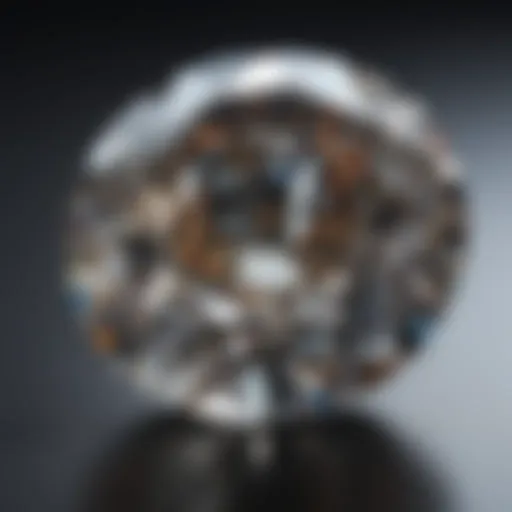
Diamonds are not merely gemstones; they represent a confluence of natural beauty and scientific marvel. Formed deep within the Earth's mantle under extreme heat and pressure, diamonds are primarily made of carbon atoms arranged in a crystal lattice structure. This arrangement grants them exceptional hardness, making them the hardest natural substance on Earth, with a ranking of 10 on the Mohs scale. But it’s not just strength that sets diamonds apart. Their brilliance comes from the unique way they refract light, making them highly sought after for use in jewelry.
Classification of gemstones
While diamonds hold a unique position in the gemstone category, they share the limelight with various other precious and semi-precious stones. Gemstones can broadly be classified into two categories:
- Precious Gemstones: These include diamonds, rubies, sapphires, and emeralds. Valued for their rarity and appeal, they are often the centerpieces of high-end jewelry.
- Semi-Precious Gemstones: These encompass a broader variety of stones such as amethysts, garnets, and aquamarines. While they can offer beauty at a lower price, they typically do not hold the same resale value as precious stones.
Understanding these distinctions is critical for anyone looking to invest in or resell diamond jewelry. It is not just about the aesthetics but also about how these categories influence market demand and resale opportunities.
Properties of Gemstones
Physical properties
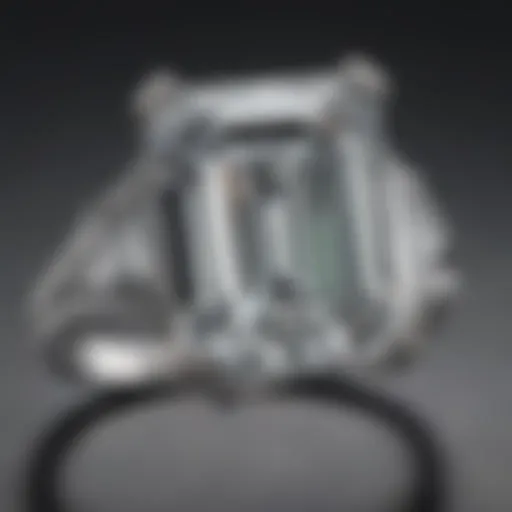
The physical attributes of a diamond include its cut, color, clarity, and carat weight, commonly known as the 4Cs. Each aspect contributes to its overall appeal and, consequentially, its resale value. For instance, a well-cut diamond will reflect light beautifully, elevating its desirability compared to a poorly cut stone. Furthermore, the presence of imperfections can significantly reduce a diamond's worth.
Chemical properties
On the chemical side, diamonds consist of pure carbon, but the conditions of their formation affect their characteristics. Variants like natural-colored diamonds exhibit hues that come from impurities within their structure, such as nitrogen or boron. These colored diamonds often command higher prices due to their uniqueness and the ongoing fascination they hold for collectors.
"Diamonds are not only a girl's best friend; they are a complex blend of nature's artistry and market dynamics!"
The End
In summary, the realm of diamond jewelry resale is deeply intertwined with its physical and chemical characteristics. As we move into discussions on market trends and values, it is essential to carry this foundational knowledge, helping to make informed decisions when engaging in buying or selling.
For more information and discussions about gemstones, you can explore additional resources at Wikipedia, (Britannica) and Reddit.
Intro to Diamond Jewelry Resale Value
When considering the world of jewelry, especially diamonds, the topic of resale value takes center stage. This isn't just about the initial joy of buying a beautiful piece; it's critical to think about how one can recoup part of that investment down the line. More folks are recognizing that diamond jewelry can hold significant value over time, but not all pieces are created equal in the eyes of resale value.
Defining Resale Value
Resale value is fundamentally defined as the price one can expect to receive when selling an item after its initial purchase. However, with diamond jewelry, it’s a bit more intricate. Various factors come into play—like the diamond's quality, the design of the jewelry, and even market demand. A buyer might purchase a diamond ring for a set price but might later find that the resale value pales in comparison.
The nuance lies in understanding what makes a diamond retain its worth. For instance, a vintage piece may resonate with collectors, thereby boosting its resale potential. On the other side, a more commonly designed modern piece might not hold the same allure. It’s not merely the diamond itself but how it tells a story or fits into a broader market trend.
The Significance of Resale Value
The importance of resale value in diamond jewelry can hardly be overstated. For collectors and investors, it's a lens through which they assess the potential of their purchases. A high resale value can signal that the item has both intrinsic and extrinsic worth, enhancing the allure of purchasing such jewelry.
"Understanding the resale value of diamond jewelry is crucial for anyone looking to invest wisely or sell pieces later; it ensures you’re not just throwing money down a well."
Moreover, when individuals buy diamond pieces, whether for personal enjoyment or future resale, they often weigh these options heavily. A strong resale value can build confidence during the purchasing phase, making the choice justified. Additionally, for those looking to sell, knowing the factors that contribute to resale value helps in strategizing how to maximize returns.
In this guide, we'll explore the myriad factors influencing the resale value of diamond jewelry and what both buyers and sellers should keep in mind as they navigate this specific market.


Stay tuned as we delve deeper into quality characteristics, market trends, and essential strategies for those keen on ensuring that their diamond jewelry retains its value over time.
Factors Influencing Resale Value
Understanding the factors influencing resale value of diamond jewelry is crucial for anyone looking to buy, sell, or invest in these gemstones. It's not simply about the diamond itself; a multitude of elements come into play that can dramatically sway the value of a piece. This section is designed to break down these components, providing insight into how each factor contributes to the overall worth, guiding consumers and jewelers alike in navigating the complex market.
Quality and Characteristics of Diamonds
One of the primary determinants of resale value lies in the quality and characteristics of the diamonds themselves. This encompasses aspects such as cut, clarity, color, and carat weight. Let’s take a closer look at how each of these elements impacts value and desirability.
Cut
The cut of a diamond refers to how well it has been shaped and faceted. This aspect plays a pivotal role in determining the brilliance and sparkle of a diamond. A well-cut diamond can reflect light beautifully, enhancing its visual appeal and, consequently, its market value.
- Key Characteristic: The precision in cutting—attributes like symmetry and polish can drastically affect its attractiveness.
- Unique Feature: The cut grades can range from Excellent to Poor, each classification further influencing its pricing.
- Advantages/Disadvantages: A meticulously cut diamond generally fetches a higher price. Conversely, a poorly cut stone may lower overall value, regardless of color or clarity.
Clarity
Clarity focuses on the presence of inclusions or blemishes within the diamond, affecting its transparency and visual appeal. Higher clarity generally indicates a more valuable diamond as it is perceived as more perfect.
- Key Characteristic: Clarity is graded on a scale from Flawless to Included.
- Unique Feature: Even small imperfections not visible to the naked eye can impact value during appraisal.
- Advantages/Disadvantages: A diamond with high clarity can command a higher price, but a slight inclusion doesn't always diminish its charm, particularly if it's in a desirable cut or color.
Color
Color, which pertains to the hue of the diamond, ranges from colorless to shades of yellow or brown. A diamond's color is graded on a scale from D (colorless) to Z (light yellow).
- Key Characteristic: Colorless diamonds often hold greater value because they are rarer and reflect light more vividly.
- Unique Feature: Diamonds with fancy colors—like pink or blue—can also have significantly higher values based on market demand.
- Advantages/Disadvantages: While a on-colorless diamond can boost resale value, it's critical to note that personal preferences can shift market trends around particular colors.
Carat Weight
Carat weight measures the size of the diamond, and naturally, larger diamonds are generally more valuable due to their scarcity. However, carat weight does not always ensure greater value.
- Key Characteristic: The price per carat often increases substantially as the diamond size increases.
- Unique Feature: Diamonds that weigh just over a whole carat can see a jump in value versus those just under one.
- Advantages/Disadvantages: While large diamonds usually attract buyers, quality sometimes trumps size, meaning a smaller, higher-quality diamond can still fetch a great price.
Market Demand and Trends
Market demand and trends shift easily, influenced by economic conditions and consumer preferences. A jewel's resale value can fluctuate based on how popular certain styles of diamond jewelry become, making it important to stay informed about current market trends. Jewelry trends often stem from celebrity endorsements, fashion shows, or even social media influences, where styles may rise or fall unexpectedly, directly impacting resale value.
Brand and Origin of the Jewelry
The brand and origin of the jewelry also play a significant role in resale value. Diamonds from reputed brands like Tiffany & Co. or Cartier carry a certain cachet that elevates their worth. Additionally, the origin of the diamond, specifically if it is ethically sourced, can appeal to a growing demographic interested in sustainability.
Economic Influences
Economic factors can have a profound impact on the diamond resale market, notably through inflation and market cycles.
Inflation
Inflation impacts purchasing power and, ultimately, the diamond market. During periods of higher inflation, essential goods become pricier, and luxury items like jewelry can either drive up or suppress resale values based on consumer behavior.
- Key Characteristic: Inflation can influence the raw materials needed for diamond production, affecting overall availability.
- Unique Feature: Diamonds often hold or even increase in value during economic instability, making them a potential hedge against inflation.
- Advantages/Disadvantages: While inflation can increase the market value, over time it can also lead to decreased consumer spending.
Market Cycles
Market cycles can also greatly impact the pricing of diamond jewelry. These cycles can reflect economic booms or recessions, which often influence how willing consumers are to invest in luxury goods.


- Key Characteristic: Understanding the seasonality of diamond purchases, such as during holidays or wedding seasons, can guide when to sell.
- Unique Feature: Certain times may see heightened demand, which could provide sellers better opportunities to get top dollar for their pieces.
- Advantages/Disadvantages: Timing the market can be beneficial, but waiting too long risks missing out if demand suddenly drops.
Throughout this examination of factors influencing the resale value of diamond jewelry, it is clear that numerous elements intertwine, each with its unique impact on the market. Understanding these nuances is essential for anyone involved in buying or selling diamonds.
Understanding the Diamond Resale Market
Understanding the diamond resale market is crucial for anyone looking to buy, sell, or invest in diamond jewelry. It's a landscape where various elements converge, creating a complex web of value, sentiment, and expectation. Navigating this market requires awareness of multiple factors, including the quality attributes of diamonds, the prevailing economic conditions, and the specific avenues available for sale. Recognizing these elements can equip sellers with the tools they need to maximize their returns while helping buyers understand potential pricing and investment benefits.
As we delve deeper, we must consider the channels through which diamonds can be sold and the certifications that validate their quality. These aspects directly influence both the perceived and actual value of the diamond. By comprehending these nuances, stakeholders gain insights into how to effectively approach recognizing the worth of diamond jewelry.
Different Channels for Reselling Diamonds
Jewelry Stores
When you think about selling diamonds, jewelry stores often come to mind. They have the expertise and credibility that attract consumers. These stores evaluate your diamond based on its quality and characteristics, which can lead to a fair resale price. The biggest advantage here is that jewelry stores usually have a solid grasp of market trends and can negotiate effectively based on current demand.
However, jEwelry stores also come with some downsides. They may not offer the highest payout because they need to cover their own costs and profit margins. Sellers should approach this option with the understanding that while convenience is a significant plus, it might come at the expense of getting the most value from your piece.
Online Marketplaces
The rise of online marketplaces has transformed the diamond resale space. Platforms like eBay, Etsy, and various specialized jewelry sites provide avenues for sellers to reach a wider audience. One major characteristic of online marketplaces is that they allow for flexible pricing strategy. You can set your own price and potentially earn more than with a traditional store.
That said, these marketplaces require some effort. Sellers should invest time in creating eye-catching listings, which means good photography and engaging descriptions. Additionally, the responsibility of shipping and potential scams can be points of concern. Understanding how to navigate these risks is essential for any seller looking to capitalize on online avenues.
Auctions
Auctions represent a unique alternative for selling diamond jewelry. Auction houses offer the chance to sell high-value pieces to a competitive audience. The essence of auctions is that they can drive prices up based on bid competition, maximizing potential returns for sellers. Well-known auction houses often attract serious buyers who are willing to pay a premium for the right piece.
However, auctions also come with their quirks. They can involve hefty fees both for listing and for final sales, which can eat into profits. Moreover, the uncertainty of the final sale price can create anxiety. Sellers must weigh these factors carefully, understanding that while auctions can lead to high returns, they do not guarantee a sale or a specific price.
Grading and Certification
GIA Certification
The Gemological Institute of America, commonly known as GIA, provides one of the most reputable certifications in the gem industry. A GIA certification guarantees that the diamond has been examined by trained professionals and graded accurately. This credibility enhances the resale value, as buyers often seek assurance of quality.
The main advantage of GIA certification is its universal recognition. Buyers in the diamond market know that GIA-graded diamonds are subjected to rigorous standards, providing a layer of trust that can facilitate a sale. However, it’s worth noting that obtaining such certification can take time and come at a cost, which might be viewed as a downside by those looking to quickly turn over their investment.
IGI Certification
The International Gemological Institute, or IGI, is another respected authority in diamond certification. Like GIA, IGI provides evaluations on the cut, color, and clarity of diamonds, often at a lower cost and quicker turnaround. This can be beneficial for sellers who need quick and cost-effective appraisals before approaching the market.
However, while IGI is recognized, it does not have the same level of prestige as GIA. Buyers might approach IGI-certified diamonds with a slightly more cautious view, possibly affecting their buying decisions or the price they're willing to pay. Thus, sellers should consider this aspect seriously when deciding how to approach certification.
Selling Strategies for Diamond Jewelry
Selling diamond jewelry requires more than just putting a price tag on a beautiful piece. It’s an art that hinges on various strategies to maximize the return on investment. Understanding the nuances of the resale market empowers sellers to make informed decisions while navigating the process. This section focuses on key selling strategies that play a pivotal role in achieving a favorable outcome.
Timing the Sale
When it comes to selling diamond jewelry, timing can be everything. Just like the stock market, there are periods when prices may peak or slump. Sellers who keep an ear to the ground about market conditions stand a better chance of securing a lucrative deal. For instance, selling a diamond ring around holidays, such as engagement season, could yield a higher price due to increased demand. Conversely, during economic downturns, less consumer spending can lead to lower offers.
Some sellers choose to wait out a lull in the market, anticipating a rise in value. However, it's crucial to balance sentiment with practical considerations. Holding onto a piece for too long in hopes of a hike might backfire if you encounter personal financial needs.
Preparing the Jewelry for Sale


Preparation goes a long way in enhancing the appeal of any diamond jewelry piece, ensuring that it catches a buyer's eye. Two focal areas within this preparation phase are cleaning and presentation.
Cleaning
A critical yet often overlooked aspect of preparing diamond jewelry for sale is the cleaning process. You want the diamonds to glimmer and shine, enticing potential buyers. Many sellers reach for cleaning solutions, but it may not always be a straightforward task. Using a dilution of warm water and mild soap can do wonders.
However, be cautious with abrasive materials and harsh chemicals that can harm the jewelry. By ensuring that the piece is spotless, you eliminate any potential negative perceptions related to neglect. A clean diamond doesn’t merely look more appealing; it can create an impression of care and authenticity, both desirable qualities to buyers.
Presentation
Once you've cleaned the jewelry, the next step is showcasing it in the best light. Presentation matters significantly in the jewelry marketplace. Utilizing well-lit photography or properly managing display settings can significantly enhance visual appeal.
Imagine a dazzling engagement ring displayed in a beautifully staged environment. Buyers are likely to be mesmerized and envision their milestone moments with it. Factors such as the background, props, and lighting can contribute to a more compelling presentation.
However, care should be taken to represent the piece accurately. Misleading images can lead to mistrust and result in dissatisfied customers. Overall, effective presentation coupled with genuine depiction can raise the perceived value of diamond jewelry in instances of resale.
Setting a Competitive Price
The final thread in the tapestry of successful selling strategies is pricing. Determining a competitive price requires careful research and consideration of various factors, including the characteristics of the diamond, market conditions, and comparable sales.
Having tangible data points at your disposal can lend credence to the price you set. Strategies such as listening to feedback from potential buyers or checking similar listings can provide valuable insights. Furthermore, pricing too high might scare off prospective buyers, while too low can undervalue the piece.
Ultimately, a balance must be struck between emotional attachment to the piece and the pragmatism of the resale value. A reasonable and competitive price encourages offers and drives interest, hopefully leading to a successful sale.
Knowledge is power when it comes to selling diamond jewelry. Being informed and prepared is crucial for maximizing returns.
Ethical Considerations in Diamond Resale
In the world of diamond jewelry, ethical considerations are far from a mere footnote; they hold significant relevance, especially as societal awareness about ethical sourcing continues to grow. Jewelers and consumers alike are becoming increasingly aware of the underlying issues that plague the diamond industry, including human rights violations and environmental damage. For those involved in the diamond resale market—whether you’re a collector, a designer, or an avid enthusiast—understanding these ethical components not only benefits the broader community but also enhances the credibility and value of your jewelry.
Conflict Diamonds and Their Impact
Conflict diamonds, commonly referred to as "blood diamonds," have been at the center of ethical debates for decades. These stones are mined in war zones and sold to finance armed conflict against governments. The consequences are dire—not only for the miners, who often work under perilous conditions but also for entire communities torn apart by violence. For instance, the civil wars in Sierra Leone and Angola during the late 20th century vividly showcased how diamond trade could fuel brutal conflicts and atrocities.
Recognizing the importance of not perpetuating these cycles, organizations like the Kimberley Process Certification Scheme have been established to regulate diamond trading. However, the effectiveness of these initiatives remains under scrutiny. Many argue that the certification often falls short of its goals, leading to continued sales of conflict diamonds in various markets.
As a transparency advocate, those engaged in the resale of diamonds should be thorough in verifying the sources of their gems. This could mean asking for documentation or purchasing from avenues known for ethical sourcing. Not only does this practice uphold moral standards, but it also positions sellers as responsible participants in the market.
Sustainable and Ethical Sourcing
The growing consciousness about sustainability in diamond sourcing emphasizes the importance of ethical practices in minimizing environmental and human impact. Sustainable diamonds, often referred to as lab-grown or ethically sourced diamonds, offer an alternative to mined stones. These lab-created jewels are made using advanced technology that replicates natural processes, ensuring that they are devoid of the ethical concerns surrounding traditional mining.
Moreover, ethical sourcing extends beyond the conflict diamond narrative; it encompasses practices that ensure fair labor conditions and equitable pay for workers involved in the mining and production process. Jewelers who adopt this mindset often foster a more sustainable supply chain, which can resonate positively with environmentally conscious consumers.
According to a report by the World Diamond Council, there’s increasing consumer demand for transparency, pushing companies to demonstrate ethical commitments. Supporting jewelry brands that are engaged in fair-trade practices not only helps mitigate adverse impacts on communities but also champions an industry shift towards more ethical standards.
By being informed about the provenance of diamonds and choosing to purchase ethically sourced or lab-grown gems, consumers and sellers alike contribute to a marketplace that prioritizes morality over mere commercial success.
"In the diamond industry, the path to a brighter future is paved with transparency and ethical accountability."
Epilogue
The conclusion of this article plays a crucial role in solidifying the key insights gained throughout our exploration of diamond jewelry resale value. As we peel back the layers, the reader should emerge with a clearer understanding of how various factors intertwine to shape the marketplace for diamond jewelry. By considering the characteristics of diamonds—including their cut, clarity, color, and carat weight—alongside the influence of market trends and economic conditions, potential sellers can be better prepared to navigate this complex terrain.
One essential point to emphasize is that the future outlook for diamond resale value hinges not only on these intrinsic and extrinsic factors but also on consumer sentiment and ethical considerations. Knowing when to sell and how to present the jewelry can significantly impact the return on investment. Logic dictates that carrying out due diligence, tapping into reliable grading certifications, and choosing the right platform for resale can make a world of difference in yields.
In many ways, the emotional value tied to diamond jewelry complicates the transaction further. Buyers often attach personal stories and memories to these items. Thus, beyond mere economics, the significance of emotional connections can profoundly affect resale decisions both from the perspective of sellers and buyers.
Investing time and effort into understanding the diamond resale market can lead to more informed choices and greater satisfaction with the resale process.
Looking ahead, awareness of the ethical sourcing of diamonds and the potential impact of global economic conditions is as vital as ever. As consumers become increasingly conscientious, the demand for ethically-sourced diamonds may reshape the resale landscape, potentially increasing the value of ethically produced stones.
In summary, grasping the nuances of diamond resale value encapsulates a meld of personal choice, market awareness, and ethical consideration. As the landscape continues to change, staying informed will empower both collectors and designers to make choices that are not only financially sound but also socially responsible.