Exploring the Intricacies of July's Ruby Birthstone
Intro
Rubies, the vibrant and alluring gemstones traditionally associated with July, hold a particular charm that resonates with both collectors and enthusiasts alike. Their deep red hues are not just a visual delight, but they also carry a rich tapestry of history and significance that transcends centuries and cultures. This article sets the stage for a thorough exploration of rubies—shedding light on their characteristics, formation, and the meaning they hold across different societies.
From ancient civilizations that revered rubies as symbols of power and nobility to modern jewelry designers who creatively incorporate them into stunning pieces, the journey of rubies is a captivating saga. As we delve into the fascinating world of July's birthstone, we will uncover the various attributes that make it unique, while also examining its impact on culture and its standing in the contemporary market.
Gemstone Overview
Definition and characteristics
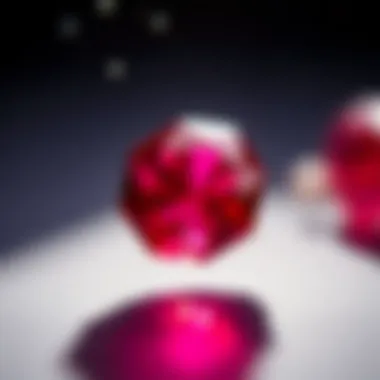
Rubies, a variety of the mineral corundum, are distinguished primarily by their striking crimson color. This color emanates from the presence of chromium within the stone, which is responsible for its rich saturation. Rubies can range from light pinkish-red to a deep, blood-red hue. The term "ruby" itself is derived from the Latin word "ruber," meaning red, subtly hinting at their captivating charm.
There are a few key characteristics that set rubies apart:
- Color: A rich, pure red is the most desirable color for rubies, although tones can vary.
- Clarity: Rubies typically feature inclusions, but higher clarity stones are more valued.
- Cut: The quality of the cut often influences the ruby's brilliance and overall appeal.
Classification of gemstones
Gemstones, including rubies, can be classified based on several categories. Generally, rubies fall under the category of precious stones, which comprises diamonds, emeralds, and sapphires. The distinction of rubies as precious gems is largely due to their rarity, beauty, and the historical significance they embody.
Moreover, rubies can be classified by intensity of color, country of origin, and treatment processes they have undergone. For example:
- Natural rubies are those that have formed over millennia without human intervention.
- Treated rubies may have undergone enhancements to improve their appearance, a common practice in the gemstone market.
Understanding the classification not only aids in assessing value but also enriches the appreciation of rubies within the broader context of gemology.
Properties of Gemstones
Physical properties
Rubies are renowned not just for their visual appeal, but also their robust physical properties. With a hardness of 9 on the Mohs scale, they are incredibly durable and resistant to scratching. This makes them an excellent choice for everyday wear in jewelry items such as rings and necklaces. Other physical properties include:
- Birefringence: Rubies exhibit unique optical effects, showcasing a play of light called pleochroism.
- Specific Gravity: Rubies have a specific gravity ranging from 3.93 to 4.10, which can help in determining authenticity when compared to other stones.
Chemical properties
On a chemical level, rubies are primarily composed of aluminum oxide (Al2O3), with trace elements contributing to their remarkable coloration. The presence of chromium offers that signature red tone, while iron and titanium can impart varying shades. This elemental composition not only determines the appearance of the gemstone but also influences its market value.
In summary, the complexities of rubies, from their appearance to their chemical make-up, underscore their fascination both as a gemstone and a cultural artifact. As we navigate through their historical significance and artistic representations in jewelry, we discover a timeless allure that continues to captivate.
"Rubies are the representations of love and passion, often associated with desire and power. Their beauty and history make them as precious as they are culturally significant."
For further reading on gemological properties, visit Wikipedia or refer to Britannica's guide on gemstones.
Through this article, enthusiasts and professionals alike can develop a profound understanding of rubies, appreciating their multifaceted beauty in both personal and cultural contexts.
Prelims to July's Gemstone
July's gemstone, the ruby, is more than just a vibrant red stone; it embodies a wealth of history, culture, and symbolic significance. In this article, we will look closely at what makes rubies special and how they have carved a niche in both the past and the present. Understanding rubies goes beyond their physical beauty, as it touches upon the emotional and spiritual connections people have with these precious gems.
Significance of Birthstones
Birthstones are often revered for their personal significance. Each stone represents a month, imbued with unique traits and attributes. For those born in July, the ruby offers not just a stunning visual appeal but also symbolizes passion, love, and desire. These stones have been linked with protection, making them coveted across cultures.
The historical context of birthstones lies deeply rooted in astrology and folklore. Folks have believed that these stones could bring good fortune, ward off evil spirits, or enhance one's personal energy. Connecting with one’s birthstone can foster a sense of identity and belonging, serving as a reminder of the time of year when one entered the world. Therefore, the significance of birthstones cannot be overstated; they serve as personal talismans and sources of inspiration.
Overview of the Ruby

Rubies, known for their deep, rich red hues, are a variety of the mineral corundum. The color of rubies is attributed to the presence of chromium, and their captivating shades can range from crimson to scarlet. This gemstone is revered not only for its striking appearance but also for its remarkable durability—rubies rank 9 on the Mohs scale of hardness, second only to diamonds.
Beyond physical properties, rubies carry a lore that has evolved over the centuries. Ancient civilizations, such as the Egyptians and Romans, valued rubies for their alleged protective qualities, believing they could keep the wearer safe in battle. In the modern world, rubies continue to serve as enduring symbols of love and commitment, making them a popular choice for engagement and wedding rings.
As we delve deeper into our exploration of rubies in this article, a rich tapestry of information on their formation, historical context, cultural significance, and modern implications will be unveiled. Through this insightful journey, the enduring allure of rubies will become glaringly apparent.
The Ruby: An In-Depth Look
When one considers the allure of gems, the ruby stands out not merely for its brilliant hue, but for the story it tells through its formation, properties, and historical significance. This exploration of the ruby offers a comprehensive understanding of how it was formed, what makes it unique, and why it continues to captivate jewelers, collectors, and enthusiasts alike. The ruby is not just a stone; it is a symbol of passion, power, and prosperity, deeply woven into the fabric of cultures across the globe.
Formation and Characteristics of Rubies
Rubies are formed under extreme conditions in the Earth’s crust, where intense heat and pressure allow the mineral corundum to crystallize, resulting in distinct characteristics found in these vibrant stones. Specifically, rubies acquire their striking color from trace amounts of chromium, which infuses the corundum with a red hue that varies with lighting and purity. A rubies' formation process is pivotal to not only its aesthetic appeal but also its rarity and value. The deeper the color, the more valuable the ruby tends to be, leading collectors to seek out the most ‘pigeon blood’ shades, which is a term of art used to describe an intense red.
Properties of Ruby: Physical and Optical
The properties of rubies can be categorized into physical and optical characteristics, both of which play crucial roles in determining the gem's quality.
Color and Clarity
Color is arguably the most defining feature of rubies. The vibrant red that rubies exude can range from a pinkish hue to a deep, rich red, reflecting their intensity and purity. The clarity of a ruby indicates the presence of inclusions—natural imperfections within the stone. A rubies’ clarity boosts its desirability; fewer inclusions mean a more magnificent stone.
When it comes to clarity, the fewer bubbles or flaws present within the stone, the better, often pushing those stones into higher price brackets. Many jewelers advise choosing rubies that exhibit clarity without the naked eye, as this subtle transparency enhances the overall visual appeal.
Hardness and Durability
Rubies are rated a solid 9 on the Mohs scale of hardness, making them one of the toughest gemstones available. This level of hardness makes rubies suitable for everyday wear, often seen in rings and earrings without much fear of scratching or damage. The durability of rubies is particularly beneficial for those looking for a lasting piece, as they can withstand the rigors of daily life without significant wear.
Rubies’ toughness translates into practicality, making them not just artifacts of beauty, but also symbols of enduring love—ideal for occasions such as weddings or anniversaries.
Cut and Carat Weight
The cut of a ruby directly influences its brilliance and sparkle. A well-cut ruby is a work of art, reflecting light beautifully and showcasing the gem's rich color to its utmost advantage. The craftsmanship that goes into cutting a ruby can elevate its value significantly. While round and oval cuts are popular, unique shapes can make a ruby stand out even more in a jewelry piece.
Carat weight, measuring the size of the stone, is another factor in determining a ruby's value. Larger rubies can be significantly more expensive; however, a smaller ruby with excellent color and clarity can sometimes be valued higher than a larger stone that lacks these qualities. This depth of intricacy makes choosing a ruby an intentional and thoughtful process.
"Rubies not only embody beauty but also resilience and strength, making them a historically treasured gemstone across cultures."
In summary, as we peel back the layers of the ruby's characteristics—its formation, properties like color and clarity, hardness, and cut—one can appreciate not just the physical beauty of these stones, but the deep historical and cultural significance they carry as well. Each ruby holds within it a story embedded through time, making it an invaluable treasure for generations.
Historical Context of Rubies
Understanding the historical context of rubies is crucial for anyone keen on grasping their significance in both an ancient and modern worldview. Rubies have not just been prized as beautiful gemstones; they’ve carried rich stories and meanings that affect how cultures have viewed and utilized them over the centuries. From royal crowns to traditional wedding bands, rubies serve as a lens through which we can view the evolving perceptions of value, power, and beauty.
Rubies in Ancient Civilizations
Indian Influence
One can't talk about rubies without diving into their profound influence in ancient Indian society. For millennia, these stones have been regarded as more than just exquisite adornments; they encapsulated the essence of life's good fortunes. Indian rulers often wore rubies, believing they brought them protection in battle and prosperity in life. The key characteristic of Indian rubies lies in their association with power and status—it's not just jewelry; it’s a symbol of leadership.
The tradition of crafting jewelry from rubies in India has created timeless pieces that reflect artistry and devotion. One unique feature of these rubies is their deep color and glow that almost shimmers with an internal fire, making them highly sought after. However, sourcing high-quality rubies in India has its disadvantages; the rich history can sometimes mean inflated values and a flooded market, complicating purchasing decisions.
European Perspectives
Transitioning from the East to the West, the ruby's reputation evolved in Europe as well, particularly during the Middle Ages and the Renaissance. Rubies were often seen as protective stones, with beliefs that they could ward off misfortune. A prominent characteristic of the Europeans' relationship with rubies includes their deep-rooted connections to love and passion; they believed these gems could ignite romantic desires. The royal families and nobility adorned themselves with rubies as a reflection of their affluence, often embedding them within crowns and scepters.
One unique aspect of rubies in Europe is their role in folklore and superstition. Many tales revolve around the ability of rubies to enhance one's courage and inner strength. While European fascination might lead to more extensive use in regalia, the challenge often comes in finding ethically sourced stones that mirror the historical legacy. In contemporary markets, discerning authenticity can be tricky due to various treatments that modern stones undergo.
Symbolism and Folklore


Transcendence and Power
The symbolism surrounding rubies, particularly their connection to transcendence and power, is rich and multi-faceted. These stones have been associated with the sun, highlighting traits such as energy, vigor, and life. In many cultures, they are believed to channel spiritual energy, enabling individuals to overcome obstacles. The key characteristic of this symbolism lies in the way rubies are perceived as conduits for strength and fortitude, often sought by those who feel they need an internal boost.
The unique feature here is how transcendent their presence often feels; wearing a ruby can evoke a sense of royalty, perhaps because of its illustrious history with kings and queens. However, it does come with disadvantages—the weight of expectation can sometimes overshadow the actual beauty of the stone. One's personal beliefs can heavily influence their affinity for rubies in this context.
Romantic Associations
Romantic associations with rubies provide an equally compelling narrative. From ancient love stories to modern-day engagement rings, the ruby symbolizes not only enduring love but fiery passion. This notion not only makes rubies a popular choice for romantic gifts but also embeds them within familial legacy. Their deep, rich red hue is often seen as a representation of love that is both passionate and true.
The key characteristic here is the intensity of their color, which can evoke feelings of warmth and connection, drawing couples to choose rubies over more traditional gemstones. A unique feature lies in their historical significance—many legendary figures have celebrated their love stories with rubies, which adds a layer of allure. However, the societal pressure tied to their symbolism can sometimes complicate personal choices, as some may feel the weight to conform to romantic traditions rather than expressing genuine sentiment.
In summary, the historical context of rubies illustrates not only their aesthetic beauty but the rich narratives they carry through time. By exploring ancient civilizations and symbolic meanings, one gains a more well-rounded understanding of why these gemstones hold such enduring appeal.
Cultural Significance of Rubies
Rubies, often considered the "king of gems," hold a prominent place in various cultures and traditions around the world. Their deep red hue, which symbolizes passion and power, transcends mere aesthetics; it embodies deep cultural narratives tied to love, courage, and nobility. This section explores the varied cultural significance of rubies, focusing on their representation in literature and art as well as their traditional applications across cultures.
Ruby in Literature and Art
Throughout history, rubies have sparked the creativity of writers, poets, and artists. In literature, they appear as symbols of love and permanence, often associated with characters of strength and valor. A notable instance is in the classic tale of The Pearl, where a ruby signifies both beauty and suffering, showcasing how precious gemstones can mirror human experience.
In art, rubies have inspired many famous painters and sculptors. Artists like Peter Paul Rubens and Gustav Klimt used the gemstone’s vibrant colors and profound meanings to enhance their works. Rubies have adorned royal crowns and ceremonial pieces, often showcased in a manner that highlights their resplendence. The use of rubies in these contexts emphasizes their dual role—both as material objects of value and as cultural touchstones that convey deeper meaning.
Traditional Uses Across Cultures
Jewelry and Adornments
Jewelry incorporating rubies has existed for centuries, serving various cultural functions. From ceremonial pieces to daily wear, rubies often symbolize status and wealth. A key characteristic of ruby jewelry is its ability to catch the eye, with their luminous red glow standing out remarkably against gold or silver settings. This quality makes rubies a favored choice for engagement and wedding rings, as they represent deep love and commitment.
The uniqueness of rubies in adornments lies in their durability—all gemstones have some level of scratch resistance, but rubies, scored a remarkable 9 on the Mohs scale, are exceptionally tough. Their longevity ensures that these pieces can be treasured for generations, linking family legacies through shared emotional connections. However, while popular, the significant cost of high-quality rubies can be a barrier for some collectors.
Spiritual Artifacts
In various cultures, rubies are not just seen as ornamental but also imbued with spiritual significance. Many believe rubies can enhance energies and bring balance to one's life, acting as protectors against misfortune and negativity. They are often used in meditative practices and rituals, functioning as conduits for spiritual enlightenment. This belief underscores the holistic attributes of rubies, making them a compelling inclusion in spiritual artifacts.
Adorned in talismans or used in healing practices, rubies are thought to harness powers of vitality and emotional clarity. A unique feature of spiritual artifacts containing rubies is their incorporation into cultural traditions—each community has its interpretations and methods of use, enhancing the culturally rich narrative surrounding these gemstones. However, the efficacy of such practices often comes under scrutiny, revealing a divergence between traditional beliefs and modern skepticism regarding gemstone healing.
As we navigate through the vast cultural landscape of rubies, we find that they are much more than just beautiful stones; they are woven into the very fabric of human history and personal experience, sparking dreams and inspiring works that continue to resonate across generations.
"A ruby is the most magnificent of all gems, possessing the qualities of nobility—intense color, durability, and history."
For more insights on rubies and their deep cultural affiliations, visit Britannica and Wikipedia.
Rubies in Modern Times
Rubies have not just stood the test of time; they have also adapted remarkably to the ever-shifting tides of contemporary culture. In this modern age, when style and sensibility champion ethical consumption and historical richness, rubies hold a profound significance. They embody a blend of tradition and modernity, capturing the hearts of gem enthusiasts, collectors, and artisans alike.
Contemporary Jewelry Trends
Fashion Statements
Fashion trends nowadays often embrace bold colors and intricate designs, and rubies undeniably have become a centerpiece in this palette. The striking red hue of rubies, often compared to the fiery warmth of a setting sun, signals confidence and passion. Wearing rubies can make a strong fashion statement, as they evoke feelings of empowerment and individuality.
One key characteristic of rubies in contemporary fashion is their versatility. They can effortlessly blend into various designs, from edgy contemporary styles to classic vintage looks. This adaptability makes rubies a favorable choice among jewelry designers seeking to balance elegance and novelty in their creations.
A unique feature of rubies as fashion statements is their inherent ability to command attention. Though forever associated with luxury, they offer practicality as well; they're durable, making them a wise investment for everyday wear. However, the challenge with such bold statements lies in finding the right context. For instance, an oversized ruby ring may steal the show but could also overshadow other accessories.
Engagement and Wedding Rings
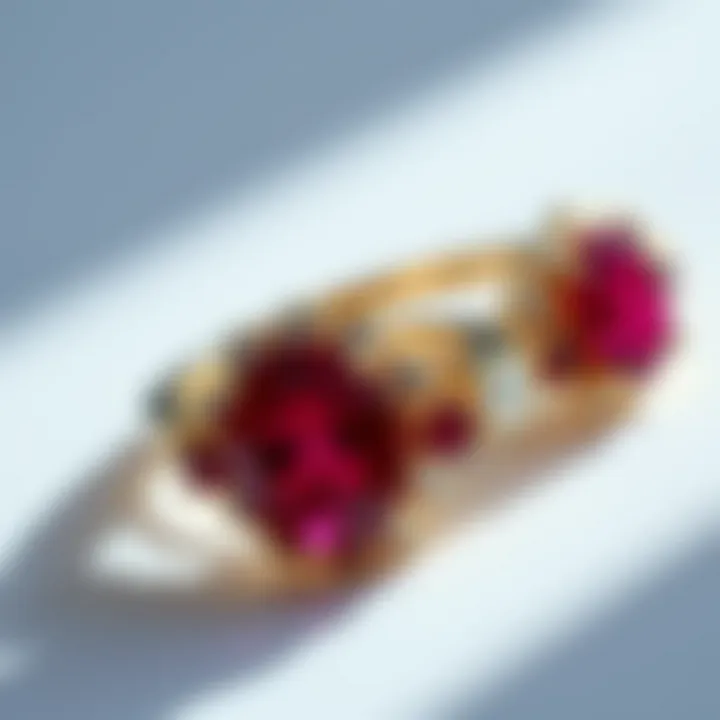
Turning the spotlight to rubies in the context of love, engagement and wedding rings adorned with these vivid stones have gained traction. The allure of rubies in these significant pieces comes from their rich color and symbolism of passion and love. Unlike traditional diamonds, rubies provide a fresh and unique alternative, appealing to couples wishing to showcase individuality.
From an emotional perspective, rubies symbolize fidelity and love, making them a fitting choice for such monumental commitments. This association is, perhaps, why many couples shy away from conventional diamond engagement rings and prefer rubies instead.
The unique feature of ruby engagement and wedding rings also lies in their ability to blend tradition with innovation. Couples can choose to have rubies as the centerpiece surrounded by delicate diamonds or opt for a more simplified band with rubies, incorporating various styles to suit their personalities. One advantage is the variety in shades of rubies, offering couples the chance to personalize their jewelry to reflect their journey and sentiment.
Ethical Considerations in Sourcing
Sustainable Mining Practices
The surge in awareness surrounding sustainability impacts nearly every industry, and the gem sector is no exception. Sustainable mining practices have taken center stage, shifting focus from the mere extraction of gems to the ethical considerations surrounding their sourcing. Such practices ensure minimal environmental disturbance while providing fair treatment of workers.
A vital characteristic of sustainable mining is its approach to environmental conservation. By using methods that aim to restore ecosystems and minimize carbon footprints, the jewelry industry can significantly lessen the adverse effects associated with mining. This attentiveness to the planet’s well-being resonates with consumers who prioritize ethical choices.
One unique feature of sustainable practices is the transparency they offer. Unlike traditional mining, which might obscure the supply chain, sustainable methods encourage traceability, allowing customers to understand where and how their gems are sourced. This transparency can create trust and enhance the brand's reputation.
However, the transition towards sustainable practices isn't without its challenges. Developing countries that heavily rely on mining can find it difficult to meet these new standards without proper support systems in place, leading to a potential economic struggle.
Certification Standards
In parallel with sustainable practices, the conversation around certification standards further enriches the topic of ethical sourcing. Certification acts as a benchmark that assures consumers of the origins and authenticity of gemstones. At a time when misinformation can spread like wildfire, having a reliable certification standard restores confidence in the purchase and ownership of rubies.
A key characteristic of these standards is their role in promoting responsible mining. This system establishes credibility, ensuring that gems are ethically sourced and that the rights of miners are protected. The increasing demand for certified stones has compelled many jewelers to authenticate their products, making it a beneficial avenue for both businesses and mindful consumers.
The unique aspect of certification standards often lies in their alignment with sustainable development goals. They not only reinforce ethical sourcing but also help in community development in mining regions by ensuring that profits are reinvested into local economies. However, the challenge remains in the diversity of certification processes across regions, which can complicate consistent adherence to standards.
In today’s market, an informed choice is more than a transaction; it is a step towards fostering ethical practices and sustainable futures in the gemstone industry.
Metaphysical Properties of Rubies
The idea of gemstones possessing metaphysical properties often piques the interest of those who delve into the deeper meanings behind these natural treasures. Rubies, in particular, stand out in this realm. They are not only valued for their aesthetic appeal but also celebrated for their claimed abilities to influence the emotional and spiritual aspects of one’s life. Understanding the metaphysical properties of rubies can provide profound insights for gem enthusiasts and collectors alike.
Healing Attributes
Rubies are often associated with various healing attributes. Many believe that they can promote vitality and life force energy. This vibrant red gemstone is thought to aid in the circulatory system, helping to mitigate issues related to blood flow. Furthermore, it is said to stimulate the adrenal glands, which might enhance metabolism and support overall well-being.
- Physical Healing: Some traditions claim rubies can aid in the healing of reproductive issues and enhance kidney functions. They are considered beneficial for those recovering from illness or feeling low on energy.
- Chakra Alignment: In the context of Chakra healing, rubies are linked to the root chakra. This energy center is fundamental as it connects one to their physical body and the earth. By balancing this chakra, rubies are believed to provide stability and a sense of grounding, fostering a revitalized energy.
Emotional and Psychological Benefits
When it comes to emotional and psychological aspects, rubies are often seen as powerful stones for encouraging love and passion. They are believed to spark motivation and encourage a sense of adventure, thus elevating one's enthusiasm for life.
Rubies might also act as a protective shield against negative energies. It's suggested that wearing or carrying rubies can promote self-confidence and courage, empowering individuals to face their fears and challenges head-on.
- Strengthening Relationships: The gemstone’s deep connections to love make it a favored choice for couples. It’s thought to encourage trust and devotion between partners, helping to foster a deep and lasting connection.
- Promoting Positivity: Many practitioners of crystal healing posit that rubies can alleviate feelings of anger and frustration. Instead of simmering in unresolved emotions, one might find proactive ways to address their issues, promoting healing through positive action.
"Rubies are more than mere adornments; they are seen as conduits for emotional balance and strength."
Understanding the metaphysical properties of rubies enriches not only the experience of owning this gemstone but enhances its appreciation among those who find meaning in the transformative power of crystals. As we segue into the next phase of our exploration, let’s continue to unravel the mystery and allure of this striking birthstone.
Finale: The Enduring Allure of Rubies
The ruby has captivated humanity for centuries, establishing itself as more than just a gemstone. It's a symbol of power, passion, and a rich cultural heritage. The significance of rubies extends beyond their aesthetic appeal, weaving through the fabric of history and modern-day practices. Their journey from the depths of the Earth to becoming the coveted pieces of jewelry we admire today highlights a resilience that resonates with many.
Resilience Through Time
Rubies have withstood the test of time, remaining desirable for various reasons. Their vibrant red color has often represented love and longing, making them a popular choice for engagement rings and wedding gifts. In ancient times, rubies adorned the crowns of kings, suggesting a belief in their protective qualities. This emotional connectivity keeps the charm of rubies alive, demonstrating how they serve as a vessel for human feelings and relationships.
Practices of centuries past, including paying homage to rubies for their supposed healing properties, add another layer to their resilience. Whether they were seen as talismans or luxurious adornments, rubies continued to thrive amid cultural shifts and evolving tastes.
Future of Rubies in the Gem Industry
Looking ahead, the future of rubies in the gemstone industry presents both challenges and opportunities. As the demand for ethically sourced gemstones rises, the industry must adapt. Sustainable mining practices will likely play a critical role in ensuring that the allure of rubies does not come at a significant cost to the environment and communities involved.
Furthermore, technological advances have made it easier to authenticate rubies, enabling customers to make informed decisions. As synthetic alternatives become more popular, traditional natural rubies will have to showcase their unique qualities, whether through rarity or superior craftsmanship.