Discover the Beauty of Opal Jewelry: A Complete Guide
Intro
The allure of opal jewelry is undeniable, captivating wearers and collectors alike with its myriad colors and unique displays. Unlike diamonds or rubies, opals offer a spectrum of mesmerizing patterns, making each piece as distinctive as the individual who wears it. But before diving into the dazzling world of opals, it’s essential to understand not only the gemstone itself but also its storied past and the craftsmanship that transforms raw stones into wearable art.
Opal has a rich history, steeped in mythology and significance across various cultures. Ancient Romans believed opals were a symbol of hope and purity, and they prized them above other gems for their vibrant hues and mysterious qualities. In the indigenous cultures of Australia, where some of the finest opals are sourced, they view opal as a powerful stone imbued with sacred stories and significant cultural heritage.
The journey of selecting opal jewelry requires a discerning eye. Various factors come into play, from understanding the types of opals available to recognizing the importance of ethical sourcing. By exploring these elements, one can truly appreciate the nuances of opal jewelry and make informed choices that resonate with personal style and values.
Understanding Opals
Opals have captured hearts for centuries, and not without reason. There’s no denying the fascination that surrounds these gems. In this article, we explore their unique characteristics and why understanding them is crucial for anyone venturing into the world of opal jewelry.
Knowing about opals doesn't just enrich your appreciation. It’s also empowering when you are picking pieces for yourself or as a gift. This knowledge can guide you through the intricate world of opals, ensuring that you choose wisely and gain the best value for your investment.
Defining Opal
Opal is often described as a hydrous silica, which gives it its fascinating play of colors. Unlike most gemstones that have a crystalline structure, opals are amorphous, meaning they lack a definite shape. This peculiar nature contributes significantly to their stunning visual effect. Within an opal's depths, a myriad of colors dances and shifts, revealing personal stories and individual styles.
Opals come from various parts of the world, and their origins can greatly influence their value and appearance. Places like Australia and Ethiopia are renowned for producing some of the most desired opals, each type possessing its unique charm and qualities.
Characteristics of Opal
Opals are renowned for several key characteristics, each of which plays an essential role in their appeal.
Color play
Color play, or opalescence, is arguably the most striking feature of opals. It refers to the way light bends and refracts through the stone, creating flashes of color that seem to shift as you move it. One moment it might be a deep blue; the next, a vibrant green. This characteristic, often likened to a rainbow trapped within the stone, makes color play a popular choice for jewelry aficionados and is a primary indicator of quality.
The very fact that no two opals are precisely alike adds to their allure. This uniqueness appeals to buyers who desire a piece that feels distinctly personal. However, the intensity and range of color play can significantly affect the opal's market value; more vibrant stones generally fetch higher prices.
Transparency and clarity
Transparency and clarity in opals can range considerably. Some can be perfectly clear or semi-transparent, while others are opaque. The level of transparency influences the appearance of light within the stone, which in turn impacts the depth of color play visible to the naked eye.
One of the primary benefits of higher clarity is that it allows color play to stand out more vividly. However, opaque opals can also be striking, often favored for their durability and unique surface patterns. Knowing what you prefer—a glossy, clear opal or a more robust, opaque variety—can drastically shape your choice when selecting opal jewelry.
Fire and brilliance
The term fire in opals refers to the warm, reddish hues that sometimes dance within the stone, particularly evident in fire opals. This element adds an extra layer of beauty and unique character to the piece. The brilliance of an opal, often paired with its fire, can captivate anyone who lays eyes on it. Opals can reflect light in ways that give them a mesmerizing sparkle, enhancing their overall charm.
Conversely, some pieces may lack fire, which might deter certain collectors. Yet, these stones can still be outstanding and can express an opal's color play in a more subdued palette. This variety showcases the broad appeal of opals, catering to different tastes and preferences among enthusiasts.
"Opal is a symbol of hope and purity, reflecting the beauty and complexity of nature itself."
By exploring these defining traits and characteristics, readers and potential buyers alike can navigate through the diverse landscape of opal jewelry more effectively. The interplay of color, clarity, and brilliance creates an inviting realm that doesn't just lie in aesthetics but also in the stories these stones tell.
Types of Opals
Understanding the various types of opals is crucial when discussing opal jewelry, as each type possesses unique characteristics that influence its beauty, value, and suitability for different jewelry styles. The opal family is diverse, with each type offering specific aesthetic qualities and cultural significance. By recognizing these differences, one can make informed decisions, whether for personal enjoyment or investment purposes.
Common Opal
Common opal is often overshadowed by its more illustrious relatives like precious opal. Unlike precious opal, this variant lacks the stunning play-of-color that sets high-quality opal apart. However, that doesn’t mean common opal is without value. This type can be found in a spectrum of colors, ranging from pastel pinks to deep blues and earthy browns. Its more muted tone makes it an ideal choice for those who prefer subtle elegance.
Key Points about Common Opal:
- Lacks the play-of-color seen in precious types.
- Available in numerous colors, making it versatile for various jewelry designs.
- Often more affordable than its sparkling counterparts.
Notably, it is often used in everyday pieces, ensuring wearers can enjoy the beauty of opal without the higher cost associated with precious options.
Precious Opal
Precious opal is a true marvel of geology. This opal type is renowned for its captivating play-of-color, a phenomenon caused by the microscopic silica spheres arranged in a unique structure. This play-of-color can exhibit a range of hues shifting across the surface as light interacts. Within the realm of precious opal, there are several distinct categories:
Black Opal
Black opal is exceptionally sought after for its deep body color, which enhances the vibrancy of its play-of-color. Often originating from Australia, this type boasts a striking dark backdrop that makes its colors pop spectacularly. The key characteristic of black opal lies in its radiant flashes of color, which can range from fiery reds to cool greens.
- Why Choose Black Opal? Its rarity and striking appearance make it a prized possession for collectors and enthusiasts alike.
- Unique Feature: The darker base allows for better visibility of color patterns, contributing to its desirability.
- Advantages: Generally considered the most valuable opal type; often appreciated as an investment.
However, black opal can also come with a higher price tag, a factor to consider for budget-conscious buyers.
White Opal
White opal offers a softer, more ethereal beauty. With a light body tone, it displays a luminous glow that seems to radiate from within. The color play in white opal is often a bit more subdued compared to black opal but is equally enchanting.
- Key Characteristic: Traditionally exhibits lighter and pastel hues, which can appeal to those who favor a more delicate aesthetic.
- Why It’s Beneficial: White opals are often more accessible in terms of price, making them popular among jewelry designers and casual buyers.
- Unique Feature: Its iridescent quality can create a dreamy effect, particularly in engagement rings or pendants.
While it may not fetch as high a price as black opal, its timeless appeal is undeniable.
Boulder Opal
Boulder opal combines beauty and character by maintaining some of its host rock. This type offers an intriguing aesthetic with its natural inclusions and patterns. The presence of ironstone gives this opal its unique appearance, making each piece truly one-of-a-kind.
- Key Characteristic: Characteristics of both host rock and opal create intriguing designs.
- Why Choose Boulder Opal? It’s ideal for those who appreciate the artistry of nature and want pieces that tell a story.
- Unique Feature: Often exhibits stunning color patterns that are more organic and less uniform than other opals.
Despite its raw charm, care must be taken when considering its durability due to the presence of softer materials.
Fire Opal
Fire opal, with its warm, fiery hues of orange, yellow, and even red, captures the essence of sunlight. While it may not display play-of-color like its precious counterparts, its brightness and clarity are simply stunning.
- Key Characteristics: Known for a solid color presence rather than the shifting colors seen in precious opals.
- Cultural Significance: Fire opals have historical ties to cultures like the Aztecs, valuing them not only for beauty but also for mystical properties.
Historical Significance of Opal
The history of opals is as colorful and varied as the stones themselves. These gems have held a special place in many cultures throughout the ages, serving as symbols of beauty, wealth, and even mysticism. Understanding their historical significance not only enhances appreciation for opal jewelry but also provides insight into how these stones have shaped cultural identities and societal norms.
Opals have been cherished not just for their aesthetic qualities but also for what they represent in different societies. From ancient Roman beliefs to contemporary trends, opals have traversed time, embedding themselves in the fabric of human history. The cultural associations they carry with them tell stories of the societies that revered these unique stones, emphasizing their enduring allure.
Cultural associations
Opals have often been linked to various cultural structures around the globe. It’s fundamental to explore how these associations have evolved over time. For example, in Aboriginal Australian cultures, opals are viewed as a bridge between the earthly realm and the dreaming world. The mesmerizing play of color is interpreted as spirits that dance upon the earth, thus, granting these stones a sacred aspect.
In contrast, the ancient Romans thought opals were lucky, associating them with the allure of the rainbow and the beauty of the spectrum. They attributed qualities of foresight and protection to opals, believing the stones brought their wearers wisdom and prosperity. From the Romans to the Aborigines, it becomes apparent that opals serve not merely as physical adornments but as embodiments of cultural truths and spiritual beliefs.
- Native Australian Cultures: Belief in opals as sacred stones, connecting to their ancestral spirits.
- Ancient Egypt: Often found in tombs, believed to ensure safe passage to the afterlife.
- Renaissance Europe: Regarded as a protective stone, thought to bring hope and happiness to its keeper.
Symbolism in history
The symbolism associated with opals is worth dissecting for a deeper understanding. Historically, these gemstones have been linked to various meanings and interpretations. For instance, during the Middle Ages, opals were thought to possess all the powers of gemstones that surrounded it; this placed them within a spectrum of mystical significance, making them the ultimate gem. The periods of fluctuating opinions about opals marked their connection with both divinity and fortune.
In modern contexts, opals symbolize creativity, inspiration, and originality. Their unique nature resonates with artists and innovators, often seen as a muse in their works. When a designer incorporates opals into a piece of jewelry, they're not just choosing a stone; they are selecting all the historical connotations that come from centuries of human interaction with the gem.
Moreover, opals once faced prejudice during the late 19th century, where they were viewed as bringers of bad luck. This stigma from the publication of Sir Walter Scott's novel Anne of Geierstein cast a dark shadow on their reputation. However, the opal's rebound shows its resilience, regaining status as a cherished gem in today’s society.
Selecting Opal Jewelry
When it comes to selecting opal jewelry, keen eyes and discerning tastes become essential. Opal boasts an array of colors, patterns, and styles that make it a captivating choice for jewelry aficionados. Each piece carries distinct characteristics that say a lot about its artistry and craftsmanship. Making an informed choice involves understanding quality indicators and recognizing the various jewelry types that best showcase opals. This section will break down these essential components, giving you the tools needed to elevate your opal selection.
Quality indicators
Quality indicators are markers that help you gauge the value of an opal piece. Knowing what to look for can mean the difference between purchasing a gem of remarkable worth or settling for a lackluster substitute.
Color and pattern
Color and pattern play a significant role in establishing the overall allure of opals. The rich spectrum of colors – ranging from vibrant reds to cool blues – can create a breathtaking visual symphony. Unique patterns, like the highly sought-after "broad flash" or the more intricate "harlequin," enhance the appeal of the stone.
While a vivid display of colors tends to command higher prices, subtle tones can likewise provide a graceful look. This subtlety manifests in rings adorned with opals, where certain colors can harmonize beautifully with different metals.
Cut and shape
The cut and shape of an opal greatly influence not just its beauty, but also its light interaction. The classic oval cut, for example, accentuates the stone's vibrant color play while enhancing its natural brilliance. Conversely, unique cuts such as freeform or teardrop structures can lend an avant-garde flair to earrings or pendants. A precision cut maximizes light reflections, which is particularly important for display pieces that must catch light in dynamic ways. Opal rings exemplify this, marrying cut to convenience while ensuring the stone’s charming nuances are never lost.
Size and weight
Size and weight are critical when evaluating an opal's worth. Larger opals, especially those with good color or pattern, are far rarer than smaller ones. A hefty opal stone can not only be a statement piece but can also carry substantial investment value. However, weight should be coupled with aesthetics; an oversized opal without the right color intensity may not hold as much appeal. This is especially true for earrings, where balance and comfort are key factors for wearability. A well-sized opal can efficiently enhance the design of a necklace, creating a more dramatic effect.
Jewelry types
Selecting the specific type of jewelry is pivotal to how opals are perceived and worn. Different types naturally call for varying characteristics to match style and function, whether casual or formal.
Rings
Rings are perhaps one of the most popular choices for showcasing opals, offering a blend of elegance and personal flair. An opal ring can transform a simple outfit into something special, making it a key accessory in anyone's collection. The uniqueness of each opal allows for personalization – from an engagement ring rich in emotional significance to a statement ring that draws all eyes. However, opal rings need to strike a balance between bold design and practicality, ensuring they are durable for daily wear.
Earrings
Earrings set with opals can enhance the natural beauty of the wearer. They can be crafted into diverse styles, from understated studs to elaborate drop designs. This versatility makes opal earrings an attractive choice, as they can easily transition from day to night. Their light-catching colors can highlight facial features delicately, yet they must be well-fitted to avoid discomfort.
Necklaces and pendants
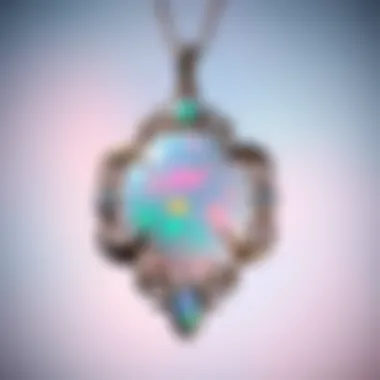
Necklaces adorned with opals can serve both as focal points and complementary pieces in one's jewelry ensemble. An opal pendant often holds greater value when it shows off a wide range of colors and depth. As a choice for layering, they can add an eye-catching element to a simple outfit. Selecting the right chain material and length can dramatically enhance the opal's beauty, and it’s worth considering how each piece will be worn.
Bracelets
An opal bracelet can be a delightful addition to a jewelry collection, showcasing the opal’s fire across your wrist. Unique designs with alternating opals and metals bring out the stone's colors against contrasting backgrounds, creating a more dynamic look. Comfortable fit and durability are key when selecting bracelets; you want to ensure it functions for both casual outings and special occasions. The decision here lies not just in aesthetics but also in the ability to seamlessly integrate the piece into everyday wear.
In summary, selecting opal jewelry involves a thoughtful consideration of quality indicators and piece types. By understanding these elements, enthusiasts can make informed choices that reflect their personal style and appreciate the unique beauty of opals.
Care and Maintenance of Opal Jewelry
Taking care of opal jewelry is like nurturing a delicate flower – it demands attention and respect. Opals are not just stunning additions to one’s collection; they possess certain characteristics that make their maintenance crucial. Given their unique structure, opals can be more sensitive than other gemstones, which means that proper care can prolong their beauty and longevity. Moreover, well-maintained opals not only enhance their aesthetic appeal but also retain their value over time, making them a worthwhile investment for jewelry enthusiasts and collectors alike.
Cleaning techniques
When it comes to cleaning opal jewelry, gentleness is key. Here are a few techniques that will help you keep your opals sparkling without causing any harm:
- Soft cloth method: Use a soft microfiber cloth to gently wipe down your opal pieces after each wear. This simple act removes oils and dirt that might accumulate from your skin or the environment.
- Lukewarm water rinse: For a deeper clean, run some lukewarm water over the opal jewelry. Avoid using hot water, as extreme temperatures can cause cracks in the stone.
- Mild soap solution: For stubborn grime, mix a few drops of mild soap with lukewarm water. Dip a soft brush or cloth into the solution and gently scrub the surface. Rinse thoroughly in lukewarm water and dry with a soft cloth.
Tip: Always steer clear of harsh chemicals or ultrasonic cleaners, which can damage the opal’s structure and its beautiful play-of-color.
Storage tips
Storing opal jewelry properly ensures it remains in top-notch condition, avoiding unnecessary wear and tear. Below are some useful storage tips:
- Separate compartments: Avoid storing opals alongside other jewelry pieces. The soft surface of opals can be scratched easily by harder stones. Use padded or separate compartments in your jewelry box.
- Flat storage: Store opals flat rather than hanging them, as this reduces the risk of tangling or accidental damage. A jewelry tray with individual slots is an ideal choice.
- Humidity considerations: Opals can absorb water, which can lead to cracks over time. Store them in a cool, dry place, and consider using silica gel packs to help maintain optimal humidity levels.
Ethical Sourcing of Opals
When it comes to crafting opal jewelry, ethical sourcing becomes more than just a buzzword; it's a cornerstone of responsible consumerism. With the growing awareness of how gemstones impact global communities and ecosystems, this aspect takes center stage. Emphasizing ethical sourcing isn’t merely a trend—it demonstrates a commitment to supporting sustainable practices and fair labor conditions. By prioritizing opals that are ethically sourced, buyers invest in more than a piece of jewelry; they invest in a more transparent and equitable industry.
Understanding Origins
The origins of opals are as various as their colors. They are mined across various regions, including Australia, Ethiopia, and Mexico, each bringing its unique qualities and stories. Knowing where your opal comes from can enhance its allure and offer insight into the ethical practices involved in its extraction. For instance, Australian opals are often sought after for their high quality but understanding the mining practices in place is crucial. Not all mines operate under the same standards; hence, buyers must ask questions and seek credible sources about the journey of their gem. A growing number of sellers provide detailed information about the origin of their stones, making it easier to ensure that the opals are not only beautiful but also responsibly obtained.
"Ethically sourced opals can reflect a jewel's beauty while upholding the integrity of the practices behind its journey."
Fair Trade Practices
Fair trade practices have gained notable traction in recent years. In the context of opals, they imply that miners are compensated fairly, work in safe conditions, and that the benefits extend beyond just profits. When purchasing opal jewelry, supporting brands that adhere to fair trade principles means promoting a chain of accountability.
- Transparency: Look for sellers who disclose where and how their opals are sourced.
- Certifications: Seek out opals that come with certifications or guarantees of ethical sourcing.
- Community Support: Choose brands that contribute to the communities from which the gemstones are sourced, ensuring that local families benefit from their livelihood.


By encouraging fair trade, consumers help to shift the balance from exploitation towards empowerment, creating a win-win situation for everyone involved in the supply chain. Ultimately, an ethically sourced opal tells a more compelling story, resonating with the wearer's personal values and sense of style.
Popular Opal Jewelry Trends
The jewelry landscape is always evolving, and opal pieces are steadily gaining traction as fashion-forward choices. Contemporary trends in opal jewelry are significant, as they bring fresh creativity to traditional designs while accommodating modern tastes. For enthusiasts and collectors alike, knowing the prevailing styles can enhance your selections and enable you to express your personal style through these unique gemstones.
Contemporary Designs
Contemporary opal jewelry designs are characterized by their sleek lines and innovative settings. Designers today experiment with shapes, materials, and techniques that provide a striking contrast to the often romanticized vintage styles. Here are a few popular contemporary design elements:
- Geometric Shapes: Many modern pieces feature sharp, angular shapes that give a bold, assertive look. This aesthetic puts opals in a light that focuses on their brilliant colors without the frills of ornate settings.
- Mixed Materials: Today's jewelers blend opal with materials like wood, resin, and mixed metals. This blend not only adds interest but also enhances the versatility of opals for everyday wear or special occasions.
- Organic Designs: Some contemporary designers draw inspiration from nature, creating fluid and organic forms that mimic natural waves and blooms. Such designs showcase the opal's vibrant colors and unique patterns, allowing the stone to shine in a whimsical yet sophisticated manner.
Modern designs focus on enhancing the kaleidoscope of colors in opals, often presenting them in unexpected ways.
These trends reflect a growing desire for personalization in jewelry. Opal pieces designed with contemporary aesthetics appeal to those looking for something that resonates with their lifestyle, making it easier for wearers to connect emotionally with their jewelry.
Classic Styles
Despite the appeal of contemporary designs, classic opal jewelry remains timeless and cherished. Classic styles often feature traditional cuts and settings that highlight the opal's characteristics without overshadowing them. Here are a few enduring styles that have stood the test of time:
- Solitaire Rings: A single opal stone in a minimalistic setting continues to be a favorite. The focus on one stone allows for the opal's unique play of color to take center stage. It’s a symbol of elegance that never seems to go out of fashion.
- Vintage-Inspired Designs: Antique settings that evoke nostalgia are frequently sought after. These designs incorporate filigree work and intricate metal designs to provide a rich backdrop for the opal. The historical significance also adds an alluring narrative to such pieces.
- Classic Earrings: Opal earrings come in various forms like studs, drops, or chandeliers. The way opals reflect light makes them particularly enchanting in an earring format, catching the eye from every angle.
Sticking to these classic styles can prove to be a wise investment, as they often have a lasting appeal and can retain their value over time. For many, these designs evoke sentimental memories or family traditions, making them cherished heirlooms.
The interplay of contemporary and classic styles in opal jewelry allows for a diverse range of choices. Whether you lean toward the modern minimalist aesthetic or the rich layering found in vintage designs, there is an opal piece waiting to resonate with your personal style. Collectors and enthusiasts should engage with both trends to fully appreciate the spectrum of opal jewelry's potential.
Investment Value of Opal Jewelry
Understanding the investment value of opal jewelry is crucial for those looking to make informed decisions in this vibrant market. Opals, known for their unique play of color, can serve as more than just decorative pieces; they represent potential financial assets. As a gemstone enthusiast or collector, grasping the intricacies of market demand and price factors will benefit not only your appreciation of these beauties but also your financial foresight.
One of the primary elements to consider when assessing opal jewelry as an investment is its rarity. Some opals are incredibly rare, with fine specimens commanding higher prices as a result. Taking note of sources and production levels will aid in predicting trends in availability and subsequent price fluctuations. Additionally, opals’ captivating allure remains desirable; how this translates into market demand makes them an appealing choice for investment portfolios.
Market demand and supply
Market dynamics play a pivotal role in determining the investment potential of opal jewelry. Supply chains for opals are relatively limited when compared to other gemstones like diamonds. Major sources such as Australia and Ethiopia dominate the market, establishing a benchmark for pricing based on availability.
It's important to stay informed about mining developments and geopolitical factors that affect production in these regions. Changes in regulations or environmental concerns can lead to supply disruptions. When supply dips while demand climbs, prices will often rise. This volatile market can provide savvy investors with opportunities, but it also carries risks associated with market fluctuations.
Some trends in consumer behavior additionally impact market demand. Increasing interest in unique and ethical jewelry has led to a surge in popularity of opal pieces among a variety of demographics. Younger consumers, particularly millennials and Gen Z, are drawn to unique jewelry options that tell a story or reflect personal aesthetics. This growing enthusiasm can often signal a favorable market for opal investments.
Factors influencing prices
Several factors can dictate the price of opal jewelry, shaping its investment potential:
- Color and pattern: The more brilliant the play of color, the higher the value. Varieties like black opal often command premium prices due to their striking appearance.
- Clarity and weight: Opals can vary not only in color but also in their transparency. Those with fewer inclusions and higher carat weight will typically fetch better prices.
- Origin of the stone: Authenticity linked to specific regions can also affect value. For example, Australian opals are highly regarded, creating a strong demand in the market.
- Craftsmanship: The skill of the jeweler impacts the final investment value. High-quality workmanship in setting a beautiful opal can elevate its worth significantly.
In short, understanding the investment value of opal jewelry requires awareness of market dynamics and careful consideration of multiple price-influencing factors. With the proper insights, you can make thoughtful investments that appreciate in value over time.
"Investing in opal jewelry is not just about owning a piece of beauty; it's about recognizing the patterns of value that can grow with time."
For further insights, consider exploring resources such as Gem Rock Auctions or Mindat. Beyond opals, understanding wider market trends can offer useful perspectives for collectors.
Culmination
The conclusion of this article plays a pivotal role in summarizing the intricate world of opal jewelry. It serves as a crucial point where the multitude of elements we've delved into coalesce into actionable insights for the reader. As gemstone enthusiasts, collectors, and those merely fascinated by the charm of opals, understanding these gems goes beyond the superficial allure; it’s about recognizing their historical significance, market value, and the ethical implications surrounding their sourcing. The need for a well-rounded perspective cannot be overstated, as it informs smarter buying decisions and fosters appreciation for these exceptional stones.
Recap of key points
In revisiting the key elements discussed throughout the article, here are some highlights:
- Understanding Opals: From defining what opals are to examining their stunning characteristics, including their characteristic color play and brilliance, we’ve noted how these features contribute to their unique appeal.
- Types of Opals: We covered a variety of opals, focusing on not just the common opal but also precious opals like black, white, and boulder opals. Each has its own set of characteristics that set it apart in the vast jewelry market.
- Historical Significance: Opals hold a wealth of cultural associations and symbolic meanings across different societies, tracing their journey from ancient times to modernity.
- Selecting Opal Jewelry: We delved into the crucial indicators of quality, such as color, cut, and size. Understanding these factors is vital when investing or picking out beautiful pieces for personal use or collections.
- Care and Maintenance: The maintenance of opal jewelry has its subtleties. Correct cleaning methods and storage tips can help preserve the opals’ luster and brilliance for generations.
- Ethical Sourcing: With the rising awareness of the ethical dimensions of gemstone procurement, we emphasized the importance of understanding origins and supporting fair trade practices.
- Jewelry Trends and Investment Value: We explored how opals are perceived in the fashion realm, their investment value, and the factors influencing market prices.
Final recommendations
As you navigate the world of opal jewelry, consider these final recommendations to enhance your understanding and experience:
- Research and Educate: Dive deeper into the characteristics of the specific type of opal you’re interested in. Knowing the intricacies can significantly enhance your appreciation and selection.
- Buy from Reputable Sources: Always seek out jewelers and dealers who provide transparent sourcing information. This will ensure that your purchases support ethical practices.
- Invest in Quality: Prioritize quality over quantity. A single, high-quality piece can be more rewarding both aesthetically and as an investment than multiple lower-quality items.
- Embrace Trends with Personal Style: While keeping an eye on popular trends, ensure that your choices align with your personal style. Jewelry should reflect who you are, not just current trends.
- Practice Proper Care: Follow the cleaning and maintenance tips outlined to prolong the life of your jewelry. Opals are delicate gems requiring thoughtful care.
Through these focal points, you will be well on your way to appreciating opal jewelry not just as a decorative item but as a rich tapestry of history, artistry, and ethical commerce.