Understanding the Diamond Color Code: A Comprehensive Guide

Intro
In the world of gemstones, diamonds hold a special place, not merely for their outstanding beauty but also for their intricate classification systems. Among these, the diamond color code stands out as a pivotal aspect, capturing the attention of collectors, jewelers, and enthusiasts alike. Understanding this color code is essential for anyone looking to invest in or simply appreciate the brilliant allure of diamonds.
The diamond color grading system usually involves a scale from D to Z, where D represents completely colorless stones and Z includes stones that exhibit noticeable color. This nuanced classification speaks volumes about a diamond's value, and it can often influence buying decisions. As we navigate through this exploration of the diamond color code, we’ll also shed light on how color interplays with other properties such as clarity and cut.
Furthermore, the article aims to mitigate common misconceptions that surround diamond color. Whether you’re an industry expert or a budding enthusiast, the insights herein are intended to provide a deeper understanding of this important topic. As we move forward, we'll uncover the essential elements that contribute to color grading and how they impact the overall perception and valuation of diamonds.
The Essentials of Diamond Color
When it comes to diamonds, color isn't just an aesthetic aspect; it's a fundamental characteristic that can greatly influence a stone's appeal and value. Understanding the essentials of diamond color helps buyers make informed decisions, whether they're collectors, enthusiasts, or professionals in the jewelry trade.
Defining Diamond Color
The definition of diamond color is rooted in the grading system established by the Gemological Institute of America (GIA). This system categorizes colors on a scale from D to Z. A colorless diamond graded D is rare and highly coveted, offering exceptional brilliance and fire. As you descend the scale towards Z, diamonds exhibit increasingly noticeable hues, typically showing tinges of yellow or brown.
A diamond’s color originates from the atomic structure of the carbon that comprises it. Even the slightest deviations can shift its appearance significantly. Interestingly, factors like the diamond's cut and the quality of light in which it is viewed can further enhance or diminish the perceived color. Thus, defining diamond color is not merely about measurements; it's an intricate dance of properties and perceptions.
Importance of Color in Gemstones
Color is the very soul of gemstones, playing a pivotal role in their desirability and market value. In the realm of diamonds, the color can serve as a first impression, and as many jewelers would attest, that impression is vital.
Many customers, when shopping for diamonds, often overlook the subtlety of the color grading system. This oversight could lead to purchasing a diamond that doesn’t align with their expectations for aesthetics or quality. For instance, a diamond with a faint yellow tint may not catch the eye at first, but once set in a ring, its color can be amplified or diminished based on the setting and surrounding materials.
The significance extends beyond simple preference. Color grading impacts the investment value of a diamond. Rarer colors, such as pink or blue, can command premiums far above colorless diamonds. Here are a few key aspects regarding the importance of color in gems:
- Desirability: Color affects how appealing a diamond is to potential buyers.
- Market Trends: Trends in the jewelry market often shift towards colors that represent current aesthetic preferences or cultural significance.
- Overall Value: The grading of a diamond's color can influence its appraisal and resale potential.
"Color is a fundamental quality that distinguishes one diamond from another, often serving as the first filter through which buyers assess potential purchases."
The above insights demonstrate that understanding diamond color is paramount not only in selecting a stone but also in navigating the broader gemstone marketplace. Buyers should prioritize this knowledge, as it enriches their engagement with the diamond industry and empowers their purchasing choices.
The Diamond Color Grading Scale
The diamond color grading scale plays a pivotal role in the world of gemstones. It serves as a universal language among gemologists, collectors, and retailers, simplifying the complex nature of color differentiation. Understanding this scale equips buyers with the necessary tools to make informed decisions when purchasing diamonds. From the stone’s rarity to its value, the color grading directly influences every aspect of the diamond market.
The to Z Scale Explained
At the core of the diamond color grading process lies the D to Z scale, where an alphabetic range represents the spectrum of diamond color. This system, established by gemological associations, is based on visual assessments conducted under controlled lighting conditions. Diamonds graded as D are considered colorless, representing the pinnacle of purity and desirability. As one moves down the scale to Z, shades become more apparent, with hues ranging from light yellow to brown.
- D (Colorless): The most sought-after diamonds that reflect light beautifully.
- E-F (Colorless): Still labeled as colorless, yet their subtle hues can be detected by trained eyes.
- G-H (Near Colorless): Possessing hints of color, these diamonds are often accompanied by a more accessible price point while maintaining allure.
- I-J (Near Colorless to Faint Yellow): While the colors are more detectable, the brilliance remains impressive, making them popular for engagement rings.
- K-Z (Faint Yellow to Light Brown): As the scale continues to descend, noticeable color shifts occur, which may not appeal to every buyer, yet they offer unique options for those seeking distinctive qualities.
When assessing diamonds using this scale, gemologists utilize master stones in various grades for comparison, ensuring accuracy. This rigorous method yields a well-rounded systematic evaluation that benefits buyers and sellers alike.
Beyond the Scale: Fancy Colors
While the D to Z scale remains the benchmark for standard diamonds, there exists a captivating realm of fancy colored diamonds. Unlike their colorless counterparts, fancy diamonds possess rich, vibrant colors, including blues, pinks, greens, and yellows. These colors are graded according to their hue, tone, and saturation, generating a more nuanced classification system.
- Hue refers to the actual color of the diamond, such as blue or yellow.
- Tone defines how light or dark the color appears, ranging from light to deep.
- Saturation assesses the intensity of the color, from faint to vivid.
Fancy colored diamonds not only draw admiration but also capture significant market value. Their rarity often leads to skyrocketing prices, particularly for those with unique attributes. For instance, an intense blue diamond can fetch a staggering price per carat compared to a yellow diamond. Moreover, the emotional connection buyers forge with these diamond types transcends the typical investment, linking them to personal stories or milestones.
The allure of fancy colors extends beyond gems; it embodies the canvas of nature, where no two stones are identical. This unpredictability and beauty serve to foster an appreciation for the nuances of diamond color grading, encouraging both collectors and enthusiasts to deepen their understanding of these exquisite stones.
"In diamonds, color is not just a visual attribute, but a testament to the Earth's hidden depths and the passage of time."
Understanding the diamond color grading scale and recognizing the extensive range of fancy colors can profoundly enrich an individual’s knowledge. This knowledge is not just essential for purchasing, but also cultivates an appreciation for the intricate artistry that nature has to offer in every unique diamond.
Influencing Factors of Diamond Color
When it comes to the beauty and value of diamonds, color plays a pivotal role. The hue of a diamond can substantially affect its market price and consumer appeal. Understanding the influencing factors behind diamond color not only enhances the knowledge of gemstone enthusiasts but also allows for informed decisions when it comes to purchasing or evaluating diamonds. The primary aspects that come into play include the diamond's chemical composition, light interaction, and environmental influences which shape color perception.
The Role of Chemical Composition
Chemical composition is the backbone of a diamond's color characteristics. Diamonds are composed primarily of carbon atoms arranged in a crystal structure; however, additional elements can be present during formation, which cause various hues. For instance, a diamond with traces of nitrogen may appear yellow, while boron can impart a blue tint.
The subtle nuances in color arise from how these elements fill vacancies in the diamond's crystal lattice. Noteworthy here is how even minimal atomic inclusions can turn a seemingly colorless diamond into an entirely different one. If we consider the various types of impurities, we can easily appreciate how deep and rich shades occur.
- Nitrogen: Responsible for yellowish colors.
- Boron: Gives a captivating blue hue.
- Hydrogen: May lead to gray tones.
This complexity illustrates why diamonds are not merely categorized by how they look at first glance but need to be analyzed on a molecular level.
Light Interaction and Perception
Light interaction is another cornerstone in grasping diamond color. The way light enters a diamond, reflects off its facets, and disperses back into the environment is intricate. A diamond's cut plays a significant role in how light is refracted.
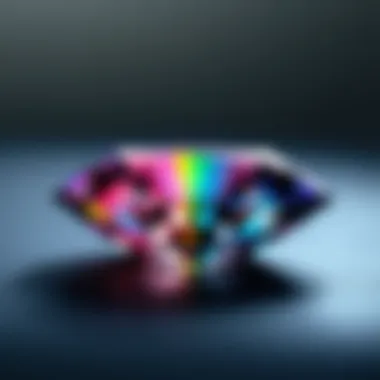
The phenomenon of dispersion can lead to a spectrum of colors appearing from a single stone when observed under various lights. This sparkle is not just a result of the diamond's clarity and cut; it is directly tied to its color as well. The following are key aspects to consider:
- Refraction: The bending of light can enhance or diminish certain colors.
- Brilliance: White light disperses into numerous colors, impacting appearance.
Because of light’s defining role, the perceived color can shift when viewed in different environments, whether in natural sunlight or artificial light. The wearer or observer's experience may vary drastically based on the lighting and angles at which the diamond is viewed.
"A diamond is not just a jewel; it's a dance of light and color, an intricate interaction that captivates the eye and heart alike."
Environmental Factors in Color Formation
Diamonds are not formed in a vacuum, quite the opposite! The environment where a diamond forms can also yield significant influences on its color. Temperature and pressure conditions during the growth process affect the incorporation of impurities. For instance, diamonds formed in lower pressure environments may have a different appearance compared to those formed deep within the Earth's mantle.
Moreover, geological timeframes play a role. Diamonds that have been subjected to metamorphic processes outside their original formation environment can display distinct colorations that were not present when they emerged from the earth.
Consider these factors:
- Geological Conditions: Variations in formation depth and heat can cause color changes.
- Time Exposure: Prolonged exposure to certain environments can yield unique color patterns.
Understanding these elements can greatly inform one’s appreciation for not only how diamonds are graded but also how their story unfolds through their colors.
The Relationship Between Color and Value
When one thinks of diamonds, the mind swirls with visions of brilliance, clarity, and above all, striking colors. The relationship between color and value is crucial in the diamond industry, as it can be the determining factor in both the desirability and the price of the stone. Understanding this link is not merely an academic exercise; it influences purchasing decisions, investment strategies, and even the crafting of bespoke jewelry.
Diamonds are graded on a scale that emphasizes their color, and this grading has wide-ranging implications. The more colorless a diamond is, generally, the more it is valued. This is because colorless diamonds allow more light to pass through them, enhancing the brilliant display that diamonds are famous for. As one descends the grading scale, moving towards light tints of yellow or brown, values tend to drop. But this is not an ironclad rule; market trends and individual preference play significant roles too.
How Color Affects Pricing
Color impacts pricing in a variety of ways. Firstly, the perception of value tied to color is entrenched in consumer psychology. A diamond that is graded D, meaning it is completely colorless, often fetches a price that can be several times higher than diamonds graded G or H, which may exhibit slight shades of color.
To illustrate, the average price of a one-carat D color diamond can go upwards of $15,000, while a similar one-carrot G color diamond may range around $10,000.
In addition to grading, color intensity is essential. Fancy colored diamonds—like pinks, blues, and yellows—can command sky-high prices, often exceeding those of colorless diamonds. The vibrancy of the hue, its saturation, and market demand determine their value, making some of them rare gems that attract collectors and investors alike. Many buyers are willing to pay a premium for vivid saturation, which can sometimes lead to staggering prices at auctions.
Factors influencing these price variations include rarity, market trends, and even economic conditions. For example, during times of economic downturn, the demand for lower-quality diamonds typically decreases, while high-quality, unique colors may still maintain their allure and value, thanks to their rarity.
Market Trends in Color Value
The marketplace for diamonds is anything but static—it ebbs and flows based on societal trends, technological advancements, and even popular culture. Color trends can shift dramatically.
- Desirable Colors: In recent years, shades of blue and pink have garnered immense attention, often driven by celebrity endorsements and fashion trends featured on the red carpet. The interest in these unique colors has propelled their values skyward. Collectors are more than keen to own a piece that dazzles with rarity and unique features.
- Fading Trends: Conversely, certain colors may fall out of favor, such as the light browns, which may appeal less to consumers looking for that timeless sparkle.
Understanding these trends is crucial for both buyers and sellers. For enthusiasts and collectors, staying informed about what colors are gaining attention or becoming less desirable can lead to smarter purchases or the right time to sell their existing pieces. Some long-term investors may even tailor their collections according to predicted market movements, weighing color against other factors like clarity and cut to create a well-rounded investment.
In summary, grasping the intricate relationship between color and value in diamonds is paramount. The delicate interplay between grading, consumer sentiment, market trends, and even the economic climate shapes not only the prices but the overall appreciation of these captivating gemstones.
"Diamonds are not just gems; they represent stories woven in color and value, essential attributes for both personal vanity and financial strategy."
For more insights on diamond valuation, check these links: Wikipedia, Britannica.
Understanding these nuances offers an edge to collectors and enthusiasts alike, guiding them to make informed choices in their diamond endeavors.
Comparative Analysis of Color and Clarity
When it comes to assessing diamonds, many enthusiasts and professionals often have their focus split between two fundamental aspects: color and clarity. Lauded as the twin pillars in diamond appraisal, these characteristics are not just arbitrary labels; they wield significant influence over a gemstone's overall aesthetic appeal and market value. Understanding how these two traits interact can provide valuable insights into the selection process and help buyers make informed decisions.
Impact of Clarity on Color Perception


Clarity refers to the degree to which a diamond is free from internal inclusions or external blemishes. These imperfections can alter the way color is perceived. For example, a diamond with a high clarity grade—a flawless piece—will allow light to travel through it unimpeded, enhancing its color saturation. In contrast, the presence of inclusions can, at times, absorb or scatter light, resulting in a muted or less vibrant color appearance.
To illustrate, consider two diamonds—a D color grade diamond, known for its pure transparency, and a similarly rated diamond with noticeable inclusions. The latter may appear less brilliant not solely because of its clarity grade but also due to how these inclusions interact with light, affecting its color's fire and liveliness. Hence, potential buyers should keep in mind that higher clarity can amplify a diamond's inherent color quality, drawing out its full potential.
Balancing Color and Clarity in Selection
Selecting a diamond goes beyond merely choosing a color grade or clarity level; it is about striking a harmonious balance between the two. A common misstep is assuming that a higher grade in one category automatically trumps lower grades in the other. For instance, one might prioritize clarity over color, leading to the purchase of a nearly flawless diamond that is a far darker tint than intended. Conversely, a striking, vivid color may be tainted by numerous inclusions that catch the eye.
Here are some considerations to keep in mind when weighing these two elements:
- Personal Preference: Consider what appeals to you. Do you lean toward a more vibrant color even if it means compromising slightly on clarity? Or would you prefer a clear diamond with little to no imperfections even if the color isn't as pronounced?
- Practical Uses: Context matters. An engagement ring often demands brilliance and clarity—qualities that shout an enduring love. Alternatively, a statement pendant may benefit from unique color, allowing it to stand out more prominently.
- Market Value: Understand that the balance you choose can significantly affect resale value. Diamonds with both high clarity and an excellent color grade fetch better prices and are more desirable in the market.
In drawing a conclusion about color and clarity, it becomes evident that they are deeply intertwined. Each trait enriches the other, and thus, the true essence of a diamond shines brightest when both are taken into account thoughtfully. Every choice in this regard shapes not only the visual allure of the gem but also its emotional significance and value in the eyes of society.
"The dance of color and clarity in a diamond tells a story that goes well beyond its carat weight; it speaks to the heart of its identity."
As you embark on your diamond selection journey, remember to scrutinize both factors in tandem. Doing so may guide you to a gem that not only pleases the eye but invites admiration for years to come.
Cut Quality and Its Influence on Color
The cut quality of a diamond plays a critical role in its overall appearance and how its color is perceived. This section will delve into the intricate relationship between cut and color, explaining why the way a diamond is shaped and polished can significantly enhance or diminish its color characteristics. It's not just about how sparkly the stone looks; it's also about how light interacts with it, creating a dance of reflections and refractions that can either highlight or obscure color nuances.
Understanding the Cut's Role
When we talk about "cut," we're not just referring to the shape of the diamond—like round, princess, or emerald—though that certainly matters. It's more nuanced than that. The quality of the cut influences multiple facets of a diamond, from its brilliance to its fire, and, notably, its color perception. A well-cut diamond allows light to enter and exit in such a way that it maximizes the vibrancy of its hues. Conversely, a poorly cut diamond can result in a dull appearance, overshadowing its color potential.
Factors that define the quality of a cut include:
- Proportions: This considers the depth and width of the stone and how these dimensions relate to one another. Ideally, a diamond should have a perfect balance of all proportions for optimum light performance.
- Symmetry: A symmetric diamond ensures that facets mirror one another accurately. This balances light reflection, enhancing the stone's brilliance and thus its color.
- Finish: The polish of a diamond impacts its overall clarity but also affects how effectively it returns light. A finer finish means the light that enters the diamond is not hindered by surface irregularities.
When selecting a diamond, it's crucial to pay attention to the cut's role. A diamond that's just so, its facets aligned and polished to perfection, can make colors pop, revealing deeper color than what might otherwise be perceived in a lesser stone. As they say, a diamond is like a canvas; its cut is the brush that reveals the masterpiece beneath.
Cut Styles and Their Impact on Color Visibility
Not all diamond cuts are created equal when it comes to emphasizing color. Different cut styles can highlight or mask color in multiple ways.
For example, a cushion cut often displays a warmer hue compared to a princess cut, which may appear brighter and crisper due to its higher brilliance. Below are a few common cut styles and their impact on color visibility:
- Round Cut: Known for its incredible sparkle due to its optimal light return. This style can effectively mask any slight yellow or brown tints in lower grade diamonds because of its brilliance.
- Cushion Cut: This cut has a vintage charm but tends to emphasize warmer colors. Ideal for folks seeking a softer look but may accentuate any yellowish hues.
- Emerald Cut: This step-cut highlights clarity over color. Its elongated facets create a unique optical effect, making colors appear less vibrant, which can be effective for diamonds with minimal color.
- Princess Cut: A modern classic that often hides color better due to its many facets that distribute light across the diamond.
Common Misconceptions About Diamond Color
Understanding diamond color can be a bit like trying to solve a puzzle with missing pieces. Many people harbor misconceptions that can skew their perception and appreciation of gemstones. The importance of dissecting these myths lies in fostering a clearer understanding of what truly defines a diamond's beauty and value. By debunking misconceptions, we can empower gemstone enthusiasts, collectors, and professionals with the knowledge needed to make informed decisions. Furthermore, understanding these myths helps customers navigate the often-overwhelming world of diamond grading and pricing.
Debunking Myths in Color Grading
One of the most prevalent myths is the belief that all diamonds are totally clear. Many folks often picture a diamond as sparkling and devoid of any hue. The reality is that the color grading system ranges from D, which represents completely colorless, to Z, indicating noticeable color. This doesn't mean a diamond is defective; rather, it reflects the complexity of nature. Some individuals even think that the most expensive diamonds are always colorless. But lo and behold, many fancy colored diamonds, such as pink, blue, or yellow, fetch astonishing prices and can genuinely be a striking choice.
Take for instance, the Pink Star, a vivid pink diamond that shattered the auction world, selling for millions. This goes to show that beyond the conventional grading, factors like demand and rarity come into play. In fact, diamonds like the Hope Diamond are known for their historical significance and color, which can heavily influence their worth.
Color Preferences and Cultural Influences
When it comes to color preferences, cultural context matters a lot. In some societies, colorless diamonds are viewed as the pinnacle of refinement, while in others, vibrant colors symbolize wealth and status. The cultural beliefs attached to colors can deeply impact preferences. For instance, in some Asian cultures, certain colors are viewed as auspicious and therefore more desirable in the realm of gemstones. This cultural lens shapes how individuals approach the concept of beauty in diamonds.
Moreover, marketing trends can exacerbate misconceptions about diamond color. Jewelry advertisements often emphasize colorless stones, reinforcing the idea that they are the only viable choice for engagement rings. However, this ignores the fact that beauty is subjective, and many people may find colored diamonds to be far more alluring.
"Understanding the cultural and personal influences on color preference can deepen appreciation for the diversity within diamond collecting."
In summary, gaining clarity about judging diamond color is essential for anyone involved in the jewelry industry. By debunking myths surrounding color grading and acknowledging the cultural influences on color preferences, buyers and sellers alike can engage in more meaningful dialogues about what makes a diamond truly special.
Historical Context of Diamond Color Evaluation
The fascination with diamonds has dated back centuries, deeply intertwining with culture, wealth, and scientific exploration. Understanding the historical context of diamond color evaluation not only provides a backdrop for modern practices but also sheds light on the evolution of gemology as a discipline itself. It’s remarkable how the assessments of color have shifted in response to cultural values, market trends, and advancements in technology.
Evolution of Color Grading Standards


Color grading in diamonds can be traced to the early 20th century when the Gemological Institute of America, known for its reputable position in this field, developed formal grading scales. This was crucial because, prior, the concept of "diamond color" was highly subjective. Jewelers might have relied on personal perception or anecdotal evidence, which led to inconsistencies in value determination.
- 1900s: The early grading systems essentially revolved around a diamond's visible hue. Jewelers utilized a range of gemstones to compare and set a standard, leading to the establishment of the D-Z scale.
- 1930s: The introduction of written guidelines and professional grading marked a turning point. Diamonds graded as D (colorless) to Z (light yellow) became common references, establishing a basis for trading and pricing.
- Late 20th Century: The rarity of high-grade diamonds saw a push for innovative methods. New materials for the production of color comparison, such as synthetic diamonds, began altering market dynamics and grading methodologies.
The advent of sophisticated tools further aided in refining the grading process. Instruments that could measure light refraction with precision became widely adopted, improving objectivity and reliability in diamond assessment. In short, the evolution of these color grading standards has been crucial in providing a framework that recognizes both beauty and value in diamonds.
Influential Figures in Gemology
Gemology is rich with figures whose contributions have shaped the diamond industry. Each individual brought pivotal changes to how color is perceived and evaluated.
- Morris S. Escher: He was one of the first to emphasize the systematic study of diamonds, particularly color grading. His meticulous approach set benchmarks that many follow today.
- Garry Holloway: A contemporary influence, he introduced techniques combining aesthetics and analytical grading, challenging the earlier perceptions of what constituted a visually appealing diamond.
- Dr. Edward J. W. McMullen: A geologist who contributed to the scientific understanding of how diamonds acquire color during their formation, shedding light on the chemical and environmental influences involved.
These individuals exemplify the blend of science and art in gemology. Their pioneering efforts have not only legitimized the study of diamonds but have also fostered growth in the market and increased awareness among consumers.
"The understanding of diamond color must evolve with both historical insights and modern techniques to appreciate its beauty fully."
The last century has seen a remarkable shift not only in appreciation for color but also in the tools and language of analysis. As diamond evaluations enter the modern age, it's essential to remember and honor the foundations built by those who came before, leading to a richer understanding of what we value in these precious stones.
Future Trends in Diamond Color Assessment
As the gemstone industry evolves, understanding the implications of color becomes more crucial. The trends in assessing diamond color reflect broader advancements in technology and shifts in consumer preferences. Not only does this shape the market, but it also provides insights that go beyond mere aesthetics. Identifying these trends ensures that enthusiasts and professionals alike remain informed and adaptable in a dynamic environment.
Technological Advances in Grading
The advent of sophisticated technologies has revolutionized diamond grading. Tools such as spectrometers and photometers have become instrumental in determining the color grades with unprecedented accuracy. These instruments rely on precise measurements of light wavelengths to establish how diamonds reflect and absorb light. This not only enhances grading reliability but also minimizes human error.
Additionally, new software applications integrate data from these devices, creating detailed color profiles for each diamond.
"The integration of technology in grading has transformed an art into a science, allowing for more objective evaluations of diamond color."
Here's a quick look at how modern technology is shaping grading practices:
- Spectrometry: Provides detailed visual data and color information.
- Image analysis tools: Offer accurate visual representations, aiding in comparisons.
- Blockchain technology: Secures grading reports and product provenance.
These advancements ensure that consumers receive transparent and trustworthy information, contributing to their confidence in purchasing decisions.
The Role of Artificial Intelligence in Color Analysis
Artificial Intelligence (AI) is taking center stage in the future of diamond color analysis. AI algorithms analyze vast sets of grading data, identifying patterns that may be overlooked by human evaluators. For instance, machine learning can discern subtle variations in hue, which could influence a diamond's market value.
Moreover, AI can provide personalized recommendations to buyers based on their preferences and current trends. This capability enables a more streamlined purchasing experience for those looking at diamonds for personal use or investment.
Some prominent benefits of AI in this field include:
- Efficiency: Rapid processing of large datasets reduces barrier to entry for newcomers in the market.
- Consistency: AI retains impartiality, ensuring uniformity in color analysis across different reports.
- Market Insights: Predictive analysis offers foresight into upcoming trends, informing both buyers and sellers.
The potential of AI in diamond color assessment is vast. As the technology improves, it is likely that more sophisticated tools will emerge, further refining how we approach color evaluation in diamonds.
Epilogue
Wrapping up our journey through the diamond color code, it's clear this topic holds substantial weight in how these gemstones are perceived and valued. Understanding the intricacies of diamond color not only enriches the appreciation for their beauty but also aids in making well-informed decisions when purchasing or investing in these precious stones. Jewelers, collectors, and enthusiasts alike gain valuable insights here, enabling them to discern quality based on multiple facets—such as grading scales and market trends.
Color serves as a pivotal factor influencing both pricing and desirability in the gemstone market. The full spectrum from D to Z showcases how slight variations in hue can lead to significant shifts in value. This can easily make or break a deal, whether in a bustling jewelry store or a quiet auction room.
Another key element we discussed is the relationship between color and clarity. As shoppers navigate choices, knowing how these factors interplay helps in finding the perfect balance that aligns with personal preferences and financial considerations.
Additionally, one must not overlook the cultural aspects that inform color preferences across different communities. Personal experiences often shape why a certain shade resonates more deeply, thus influencing buying behavior. The exploration of these nuances helps elevate the gemstone experience from mere ownership to something deeply woven into one's identity.
The importance of keeping abreast of future trends in diamond color assessment cannot be overstated. As technology continues to evolve, staying informed about advancements in grading practices will ensure that everyone's eye for quality sharpens over time.
So, as you leave this discussion with a heightened awareness of the diamond color code, consider this not just as knowledge but as a skillset. Combine it with your hands-on experience and you will find yourself navigating the diamond world with increased confidence and expertise.
Summary of Key Insights
- Color Significance: Understanding how diamond color affects value can guide purchasing decisions.
- Grading Systems: Familiarity with the D to Z scale and fancy colors is essential.
- Interconnected Factors: Clarity, cut, and cultural influences all play a role in color perception.
- Market Awareness: Staying updated on trends and technologies in color grading is crucial for all enthusiasts.
Encouragement for Further Exploration
The world of diamonds is vast and shimmering with potential for discovery. If you’re captivated by the nuances of diamond color, delve deeper into resources such as gemological institutes or specialized communities on platforms like Reddit or Facebook. Engaging with fellow gemstone enthusiasts can unveil myriad perspectives that enhance understanding and stimulate discussions.
For those keen on advancing their knowledge, consider visiting educational sites like Gemological Institute of America (GIA) or British Natural History Museum. These channels not only provide expert insights but also open doors to in-depth courses and workshops in gemology.
Arm yourself with knowledge, nurture your curiosity, and continue exploring the extraordinary world of diamonds. Your journey through their colors just begun.