Selecting the Perfect Engagement Ring: A Complete Guide

Intro
Selecting an engagement ring is no small feat. It's not just a piece of jewelry; it symbolizes love and commitment. For many, this moment signifies a pivotal chapter in their lives. With so many options out there—from styles and gemstones to budget considerations—where does one even begin?
This guide aims to make the journey smoother by piecing together the essential elements you need to consider. We’ll delve into gemstone types, their properties, and even create an interactive quiz to help nail down what truly fits your vision. More than just practical advice, this guide also considers the emotional weight of choosing an engagement ring because at the end of the day, it’s not just about the ring itself, but what it represents.
So, let’s get started on this adventure to find that perfect ring!
Gemstone Overview
Definition and Characteristics
Gemstones, the heart and soul of any engagement ring, are not merely decorative items; they tell stories. Each stone has its own unique set of characteristics that contribute to its allure. A gemstone is a piece of natural mineral that, once cut and polished, is used in fine jewelry. They vary widely in terms of color, clarity, cut, and carat weight.
For example, diamonds are often celebrated for their brilliance and durability, making them the traditional choice for engagement rings. In contrast, sapphires, rubies, and emeralds bring a splash of color and possess meanings tied to love, passion, and growth respectively. If a traditional route doesn't seem right, consider less conventional options like morganite or aquamarine. Each brings forth its own palette of feelings and aesthetics.
Classification of Gemstones
Gemstones can generally be divided into two broad classifications: precious and semi-precious. Precious stones—like diamonds, emeralds, sapphires, and rubies—are typically more expensive and are viewed as rarities due to their beauty and durability. They hold significant sentimental value and are often sought after in engagement rings.
Conversely, semi-precious stones, such as amethyst, garnet, and opal, may be more affordable but possess their own unique beauty and charm. Their vibrant colors can make them excellent choices for those looking for something truly distinctive. The classification can also guide the buyer in terms of budget and taste, helping narrow down the options effectively.
Properties of Gemstones
Physical Properties
Understanding the physical properties of gemstones is key to making an informed choice. Factors like hardness, luster, and transparency not only influence the gem's appearance but also its durability. The Mohs scale of hardness is often referenced; diamonds rate the highest as a 10, meaning they’ll withstand daily wear better than softer stones like turquoise, which sits at only a 5.
For example, if you're prone to knocking your hands against things—a consideration for an active lifestyle—selecting a harder gemstone might be beneficial. Meanwhile, if you prefer a more delicate ring, lovely options like a pastel-hued opal might suit your taste, albeit with the understanding that it demands more care.
Chemical Properties
Each gemstone is composed of specific chemical elements, which contribute to its physical characteristics and appearance. Diamonds are pure carbon, while sapphires and rubies are variations of corundum comprised of aluminum and oxygen with traces of iron, titanium, or chromium adding to their color.
Understanding these properties can provide insight into not only the jewelry's value but also its symbolism. For example, copper in turquoise gives it its unique blue-green color and is often associated with healing and tranquility.
By exploring the diverse world of gemstones, you are not only preparing yourself to make a thoughtful purchase but also beginning a deeper engagement with a timeless tradition. This forefront of knowledge sets the stage for the emotional and practical facets of selecting an engagement ring.
"A gemstone's value isn't just in the brilliance it shows; it's in the heartfelt stories it can tell and the memories it will hold."
As you gather more information, consider your preferences carefully. What resonates with you? Is it a classic diamond, a colored sapphire, or perhaps an exotic lab-grown diamond? Such decisions can be thoroughly enjoyable, merging aesthetics with deep personal significance.
Understanding the Importance of an Engagement Ring
Engagement rings hold a significance that goes beyond being just a piece of jewelry. They represent commitment, love, and the promise of a shared future between two people. Choosing the right ring transcends mere aesthetic preferences; it encapsulates deep cultural values and individual sentiments that can vary widely across societies.
Cultural Significance
In many cultures, engagement rings are laden with traditions and standards. For instance, in Western contexts, the diamond engagement ring has become a ubiquitous symbol of love and fidelity. This trend flourished particularly after the famous marketing campaigns in the mid-20th century, which portrayed diamonds as a girl's best friend.
However, cultural significance varies. In certain regions, rings are not even the primary method of symbolizing engagement. In some Asian cultures, for instance, gold jewelry is preferred, with its own distinct symbolism relating to prosperity and longevity. The type of ring may also denote family lineage or social status, instilling a sense of pride or obligation.
Furthermore, local customs may dictate the style of the engagement ring. For example, in some Middle Eastern cultures, rings can be ornate and may include specific gemstones that hold personal or familial significance. These choices reflect individual sweet stories and the weight of family legacies numerous generations deep.
Symbolism in Relationships
An engagement ring carries with it an emotional heft that many buyers may overlook. It's not merely about the gemstones; it's about what they signify. An engagement ring symbolizes the transition from individual lives to a shared journey. Often, it represents sacrifices made and compromises agreed upon, holding within it the promise of future adventures together.
The ring isn’t just a token; it embodies the love story that unfolds between two people. To some, it can express a personal style or reflect the wearer's character. For others, it may serve as a family heirloom, steeped in history and emotional connection. It can also tap into a shared narrative—signifying milestones along the way, such as the first date, trips taken, and favorite memories filled in the spaces between. Thus, an engagement ring can become a living tale, where every glance at it recalls not just the commitment made but also the life both individuals are about to build together.
"An engagement ring is sometimes worth more than its price; it symbolizes the bond that two people share, a visual artifact of their journey."
With the engagement ring in mind, prospective buyers must reflect on these layers of meaning when selecting the perfect one. It’s not just about finding something pretty; it’s about choosing something that resonates with both people engaging in the partnership. This understanding serves as a stepping stone for further reflections on style, ethics, and choices that will follow.
Defining Your Preferences
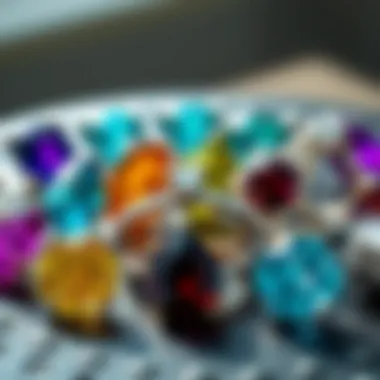
When it comes to selecting an engagement ring, understanding your personal preferences is essential. The engagement ring symbolizes more than just a piece of jewelry; it reflects values, personal tastes, and sentimental significance. Taking the time to define what you and your partner want can simplify the selection process, saving you from confusion and regrets later on. This section dives into the key elements that will help determine your preferences, including various styles and settings, as well as your gemstone choices.
Styles and Settings
The style and setting of an engagement ring play a huge role in how it looks and feels. It's crucial to choose one that resonates with your partner's personality and lifestyle.
Solitaire
The Solitaire setting is perhaps the classic choice for engagement rings. Its simplicity shines a spotlight on a single center stone, often a diamond. This style embodies elegance and sophistication, showcasing the beauty of the gemstone without distraction. A major advantage of the Solitaire is its versatility; it can easily blend with various lifestyles and outfits. However, it’s vital to choose a high-quality stone since the lack of additional stones means every imperfection will be on display. If you want your partner to wear a ring that feels timeless yet stunning, the Solitaire is a stellar option.
Halo
The Halo setting adds a modern twist to the traditional engagement ring. Featuring a center stone encircled by smaller gemstones, this style maximizes sparkle and can make a center stone appear larger than it actually is. The key characteristic of Halo designs is their exuberance, making it a perfect choice for someone who loves glamorous looks. However, keep in mind that the additional gemstones also require extra care due to their delicate setting. Choosing a Halo design can result in a ring that catches the eye and stirs admiration.
Three Stone
The Three Stone ring communicates a deeper meaning, often representing the past, present, and future of a relationship. This style features a trio of stones, typically with a larger center stone flanked by two smaller gems. It’s a beautiful representation of love’s journey, making it not just a ring, but a narrative. People opt for this style because it adds layers and significance to their engagement. But be aware, it can often come with a higher price tag due to the additional stones involved.
Vintage
For those who appreciate history and art, a Vintage engagement ring can be a story wrapped in a jewel. This style draws from different historical eras, featuring intricate details and often unique settings. Vintage rings are favored for their charm and uniqueness, often filled with personality that a modern design may lack. However, their antiquity means they may face some wear and tear. Still, there's nothing quite like a vintage ring to encapsulate a feeling of everlasting love.
Gemstone Selection
Choosing the right gemstone is equally important as picking the right style. It’s essential to consider not just beauty, but also durability and personal meaning when selecting the gemstone for an engagement ring.
Diamond
Diamonds remain the go-to choice for engagement rings, primarily due to their strength and brilliance. The classic appeal of a diamond is hard to beat, and its association with love and commitment is well-known. Diamonds can be cut in various shapes, offering myriad options to suit any style. Nonetheless, natural diamonds can be quite pricey, which may not fit every budget. They also have implications regarding ethical sourcing, which is something worth considering.
Sapphire
Sapphires come in a variety of colors but are most celebrated for their deep blue hue. While traditionally seen as a unique alternative to diamonds, they are durable and symbolize loyalty and nobility. The existence of various color options allows for personalization, making them an exciting choice. However, finding the right shade can sometimes prove tricky, and they aren’t as widely available as diamonds.
Emerald
Emeralds are known for their vivid green tones and are a reflection of growth and renewal. Their unique color makes them not just a ring but a statement piece. High-quality emeralds can be rare, so it may require extra research to find the right one. On the downside, emeralds are less durable than diamonds, which means they might need more care in day-to-day wear.
Moissanite
For those seeking a brilliant gem with a more wallet-friendly price, Moissanite is a modern option. It resembles diamonds closely and is known for its incredible fire and brilliance. Moissanite is more durable than most gemstones, making it suitable for everyday wear. The downside, however, is that it may not carry the same traditional significance as diamonds. Still, it makes an excellent option for couples seeking a unique touch without breaking the bank.
Choosing the perfect engagement ring involves understanding your preferences thoroughly. By considering styles and settings along with gemstone choices, you can ensure that the ring you select holds deep meaning for both you and your partner.
Budgeting for Your Engagement Ring
Budgeting is a critical element in selecting an engagement ring. It not only helps define the scope of your search but also ensures that the final purchase aligns with your financial situation and comforts. After all, this ring is meant to symbolize a significant commitment while reflecting the personality and preferences of your partner.
True, it can sometimes feel like navigating a minefield with price tags that can make your head spin and emotions running high. But if you approach it thoughtfully, budgeting can make the experience a whole lot smoother. Here, we explore the cost components associated with engagement rings and offer insights to help you create a budget that feels just right.
Understanding Cost Components
When it comes to budgeting, one must understand the various cost components that make up the total price of an engagement ring. It's not always just about the gem itself but includes several other layers.
Gemstone Price
The gemstone price plays a vital role in determining the overall cost of an engagement ring. Not only does the type of gemstone affect the price, but also factors such as size, quality, and cut come into play. For instance, a one-carat diamond of high clarity can easily cost significantly more than a sapphire of similar size.
When selecting a gemstone, it’s essential to consider what each type brings to the table. In terms of personalization, while diamonds often carry traditional significance, sapphires and emeralds have become increasingly popular, offering a more unique twist. Choose wisely, as the right stone can radiate not only beauty but also your individual style.
Setting Price
Next in line is the setting price, which often gets overlooked. The setting refers to how the gemstone is mounted onto the ring. Different settings can dramatically influence both the look and price of the ring. For instance, a simple solitaire setting may be more affordable compared to an intricate halo setting that adds more embellishments.
Design and material choices also affect the cost. Platinum settings are typically more expensive than gold or silver. This decision should be tailored not just to your aesthetic preferences but also to practicality. Think about your partner's lifestyle and how a particular setting might hold up over time. After all, a stunning ring can lose its appeal if it’s impractical for daily wear.
Branding
Branding adds another layer to the cost components. High-end jewelers can charge a premium for their name, reputation, and perceived quality. While it’s tempting to go for a well-known brand, sometimes lesser-known jewelers can offer similar quality at a fraction of the price. It’s worth taking the time to explore unique options.
The allure of a renowned brand might provide some peace of mind, but don’t let prestige overshadow quality and value. Always prioritize examining the craftsmanship, materials, and gemstone quality over the branding alone.
Establishing a Realistic Budget
Crafting a budget is like piecing together a puzzle. Start by determining what you can reasonably afford without placing undue financial strain on yourself or your future together. A good practice is to assess your overall financial picture, considering variables like savings, debts, and upcoming expenses.
Once you establish a budget range, it's wise to maintain some flexibility. Prices can vary significantly based on quality and craftsmanship. Take this chance to engage in conversations with jewelers about what your budget allows. You may be pleasantly surprised by what you can find within your price range.
As you draw closer to your decision, remember to keep assessing what aspects are most important to you. Are you fixated on the size of the gemstone, or do you lean towards a more unique design? This thoughtful approach helps create a ring that not only fits your budget but resonates with both you and your partner’s values.
The Engagement Ring Quiz
Selecting an engagement ring is not just a purchase; it’s a significant milestone in a relationship. The Engagement Ring Quiz adds an engaging dimension to this journey, acting as a compass to help you pinpoint your preferences. By answering a series of thought-provoking questions, you can navigate through personal styles, lifestyles, and future aspirations. This quiz serves several purposes: it narrows down options, offers insight into personal tastes, and can even spark conversations between partners about what they truly value in such an important piece of jewelry.
Prelims to the Quiz
Imagine standing in a jewelry store, surrounded by a dazzling array of rings. It's easy to feel overwhelmed. This is where the quiz comes into play. Designed to break down the decision-making process, this introduction lays the groundwork for understanding your unique tastes. Rather than a superficial checklist, the quiz dives deeper into what different styles and stones mean to you emotionally. Thus, engaging with this tool becomes not just a matter of picking a pretty ring but rather a reflection of the bond you share with your partner.
Key Questions to Consider
Key questions within the quiz focus on three major areas: Personal Style Preferences, Lifestyle Considerations, and Future Aspirations. By examining each of these aspects, you’ll be well-equipped to make a choice that resonates on multiple levels.
Personal Style Preferences
Personal Style Preferences delve into your aesthetic tastes. This aspect significantly shapes your choices as it relates to how you or your partner wish to express individuality. For instance, are you drawn to classic designs or something more contemporary? Each option can tell a story about the wearer. One characteristic of this preference is that it often reflects your fashion sense, making it an instrumental part of the decision. Regarding advantages, finding a ring that resonates with your style isn’t just about looking good; it’s a constant reminder of a momentous event that influences your day-to-day sentiment. However, be cautious as trends change. What looks great today may not hold the same appeal in a few years.
Lifestyle Considerations
Lifestyle Considerations speak to how practical and functional the ring will be in daily life. This question asks you to consider your routines, professions, and hobbies. A key feature here is practicality; will the chosen ring withstand everyday wear? If one has an active job or hobbies that could damage delicate jewelry, exploring more durable materials becomes crucial. The advantages are clear: picking a ring aligned with daily life means less worry about wear and tear. On the downside, marrying style with practicality can be a challenge, leading to compromises.
Future Aspirations
Lastly, Future Aspirations aims to tie in the ideals and visions for your journey together as a couple. This facet addresses broader life goals such as career plans, family, or even how you envision your relationship evolving over time. Now, what stands out is the significant impression these aspirations leave on the choice of an engagement ring. A ring chosen with a shared future in mind can foster a deeper connection, symbolizing not only current love but future possibilities. However, the challenge lies in ensuring that aspirations evolve rather than dictate; flexibility is key here.
Interpreting Your Results
Once the quiz has been completed, interpreting the results is crucial. The idea is not just to understand which ring style fits best but also to appreciate the underlying values and feelings associated with it. For instance, a preference for vintage rings might signify a love for tradition, while a lean towards modern designs may reflect a forward-thinking mindset.
"Choosing an engagement ring isn't merely selecting a sparkly piece of jewelry; it's about capturing a moment and a promise for the future."
As you proceed on this journey, remember the importance of each answer you provide. Your unique stories and aspirations will ultimately lead you to the perfect symbol of love.
Ethical Sourcing and Sustainability
Choosing an engagement ring goes beyond aesthetics and budget considerations. Increasingly, buyers are making decisions with a broader awareness of the implications tied to sourcing and sustainability. This chapter delves into these crucial aspects, emphasizing the benefits and considerations that harken to ethical sourcing practices in the jewelry industry, particularly for gemstones.
Understanding Ethical Gemstone Sources
Ethical sourcing means ensuring that gemstones are mined and sold in ways that are respectful to both communities and the environment. This encompasses a variety of criteria, including workers' rights, environmental impacts, and transparency within supply chains. For instance, conflict diamonds are a well-known example of ethically sourced products, where trade can fund violence and human rights abuses. The Kimberley Process was established to combat this, engaging stakeholders across the diamond trade in efforts to verify the origins of their stones.
When seeking engagement rings, consumers are encouraged to look for gemstones that have been certified by reputable organizations, which can provide assurance of their ethical origin. Brands such as Brilliant Earth and Ethica Diamonds emphasize traceability and responsible practices in their offerings. An increasing number of buyers are opting for lab-grown diamonds as well, which deliver an ethical alternative without sacrificing charm or quality. Not only do these alternatives reduce environmental degradation caused by mining, but they also often come with a more favorable price tag.
Incorporating ethical considerations into your selection means listening to the stories behind the stones. Finding a reputable jeweler who practices responsible sourcing can turn your purchase into a meaningful statement about the values you uphold.
The Importance of Sustainable Practices
Sustainability in the jewelry industry refers not only to the ethical sourcing of gemstones but also to the practices surrounding them. The mining process, especially for precious stones, can severely impact local ecosystems if not conducted responsibly. Unsustainable practices can lead to habitat destruction, loss of biodiversity, and depletion of natural resources, making it vital for buyers to prioritize sustainability alongside ethical sourcing.
Here are some key benefits of focusing on sustainability when choosing an engagement ring:
- Environmental Preservation: Choosing sustainably sourced stones can help mitigate the destruction associated with mining operations, supporting conservation efforts and helping preserve unique ecosystems.
- Community Support: Ethical sourcing often ties in with community development, providing fair wages and better working conditions for miners. This creates a ripple effect that can uplift entire communities.
- Long-Term Value: Sustainable practices can mean better quality stones, as they are often sourced with care and precision. Thus, these stones not only hold ethical significance but may also retain their value more effectively.
- Consumer Consciousness: Today’s consumers are more informed than ever before. Supporting ethical and sustainable practices aligns a brand with modern values, attracting a discerning audience that appreciates transparency.
Ultimately, ethical sourcing and sustainability in the jewelry sector empower buyers to make informed decisions that resonate with their principles. When one opts for a ring that aligns with their values, it transforms the simple act of purchasing a piece of jewelry into a profound, conscientious commitment.
Customizing Your Engagement Ring
Choosing a custom engagement ring is a path paved with personal touch and intention. It allows couples to express their love in a way that off-the-shelf products cannot. Customizing a ring means considering various elements that reflect not just aesthetics but also the shared journey of the couple.


Benefits of Customization
There are several advantages to designing an engagement ring tailor-made for your partner:
- Originality: A custom ring ensures no one else will have the same design. This unique piece can tell a story—reflecting personal experiences or milestones shared.
- Meaningful Touchpoints: Including elements that are significant to both of you can make the ring even more special. Perhaps a specific gemstone or engraving that captures a moment can be incorporated.
- Quality Control: Working directly with a jeweler allows for better oversight of the materials used, ensuring the ring's quality meets one’s expectations.
But while customizing can be an exciting journey, it’s paramount to approach it with thoughtful consideration and clarity of purpose.
Working with Jewelers
Choosing a Reputable Jeweler
Selecting a trustworthy jeweler is a pivotal step in the process of creating a unique engagement ring. Without a reliable source, the journey can become fraught with missteps. A key characteristic of a reputable jeweler is their transparent communication about materials and processes.
A good jeweler should offer insight on various aspects, from the integrity of gemstones to the craftsmanship of the setting itself.
The unique feature of such jewelers often lies in their commitment to quality. They may even provide guarantees on the workmanship and the gemstones’ origins. This not only reduces worries about future issues but also builds trust in the craftsmanship that goes into the ring.
In addition, a reputable jeweler usually has a robust portfolio of past work. Clients can review images or even visit showrooms to gauge the jeweler’s style. The potential advantage here is finding someone whose aesthetic resonates with yours, easing the design process.
Communication of Ideas
Effectively communicating ideas is crucial when working with a jeweler. A good jeweler should be attentive to ideas and open to suggestions. This back-and-forth can help in crystallizing what the ring will ultimately look like.
The key characteristic of successful communication lies in the jeweler’s ability to listen and interpret the client’s vision accurately. They should ask questions that delve into personal tastes, lifestyle, and even future expectations. This means discussing elements like:
- Preferred styles (modern versus vintage)
- Desired gemstone and any specific cuts or settings
- Budget considerations that align with the preferred design
A unique feature of this communication is the collaborative atmosphere it can create. Both parties must engage in dialogue to bring the envisioned piece to life. This collaboration can lead to unexpected creativity, enhancing the overall design and investment experience. However, if communication falters, it may lead to misunderstandings, resulting in designs that do not meet expectations.
Designing Unique Elements
Incorporating unique elements into the ring can elevate its significance. This could include a personalized engraving, a non-traditional gemstone, or even the inclusion of a favorite motif that has sentimental value. By doing so, the ring transcends its material value to embody deep emotional resonance—truly becoming a symbol of love.
From choosing unconventional stones like sapphires or rubies to incorporating geometric shapes in the design, the sky's the limit. Following through with a jeweler's guidance can help ensure the integrity of the ring remains intact while embracing creativity.
Ultimately, customizing an engagement ring necessitates a harmony of vision and collaboration, ensuring that it aptly reflects the unique bond shared between the individuals involved.
Final Considerations in Your Selection
When it comes to choosing the perfect engagement ring, it can feel like navigating a maze with twists and turns at every corner. Yet, the final considerations of your selection are what solidify your decision and ensure that the ring you choose aligns beautifully with your partner's expectations and your aspirations. This stage encompasses vital elements such as certification, insurance, and maintenance—factors that often get overlooked in the excitement of selecting the right style and setting.
Certifying Your Gemstone
You wouldn’t want to invest a chunk of your savings only to discover later that your gemstone lacks authenticity. Certifying your gemstone is not just a step; it’s a shield against deception. Certificates are provided by recognized gemological institutes like the Gemological Institute of America (GIA) and can offer insights into several aspects:
- Quality Assessment: This includes clarity, color, cut, and carat weight. Knowing these characteristics helps affirm the value of the stone.
- Origin Details: Some certifications indicate where the gemstone was mined, offering a story that may appeal to sentimental values.
- Identity Verification: A good certification will not only verify that the stone is indeed a diamond, sapphire, or any other gem but will offer a unique identification number that ties back to the certificate itself.
By ensuring your gemstone comes with a credible certification, you safeguard your investment and have proof to present if ever reaching a dispute.
Insurance and Maintenance
An engagement ring is not just a piece of jewelry; it’s a promise, a story, and an investment. So let's talk insurance first. Insuring your ring is crucial considering it may have substantial monetary and sentimental worth. Here are some points to think about:
- Coverage: Always read the fine print. Does the policy cover loss, theft, or damage? Some policies even offer coverage for mysterious disappearance.
- Appraisal Value: Getting your ring appraised for insurance purposes helps in understanding its current market value, which may fluctuate over time.
Once you have your ring insured, don’t forget about maintenance. Regular upkeep can prevent minor wear and tear from turning into major problems. Things to consider include:
- Professional Cleanings: Schedule cleanings with your jeweler. They can inspect for any loose stones, and ensure that your ring is as dazzling as the day you first laid eyes on it.
- Home Care Tips: Keep your ring away from harsh chemicals and always store it in a safe place when not wearing it. Harsh environments can undermine even the most durable of gemstones over time.
Revisiting these final considerations is essential, not just for peace of mind, but to maintain the sparkle that symbolizes a lifetime commitment. When you take these details into account, you build a solid foundation for your engagement journey.
The End
Choosing the perfect engagement ring is no small feat. It’s a process that encompasses emotional depth, personal taste, and financial considerations. In this final section, we will dive into the key takeaways from our guide, reinforcing the importance of each element discussed and the benefits they convey in securing a ring that embodies your commitment.
Recap of Key Points
- Cultural Significance: Engagement rings carry substantial meaning, reflecting both tradition and personal stories unique to couples. Whether part of a rich cultural ritual or a modern twist, understanding this is crucial.
- Defining Preferences: Knowing what styles and settings resonate with you and your partner will help in narrowing down options. Remember, there’s a world beyond the traditional solitaire. Halo settings, vintage styles, and innovative designs may just speak to your hearts.
- Budgeting Wisely: With gems ranging significantly in price, understanding cost components—from the gemstone's price to the craftsmanship—enables informed decisions. Establishing a realistic budget takes the pressure off and aligns expectations.
- Ethical Sourcing: Many buyers are now more attuned to the impact of their choices. Selecting ethically sourced gemstones not only elevates the ring’s meaning but also supports sustainable practices, making it a more responsible purchase.
- Customization: Working with jewelers to create a one-of-a-kind piece that captures memories and future aspirations is invaluable. A collaborative design process can infuse personal touches that a ready-made ring can't replicate.
- Maintenance and Care: Investing in insurance and regular maintenance ensures that your ring stays as brilliant as the day it was given. Being proactive in caring for your ring can extend its beauty and sentimentality for generations.
"Selecting an engagement ring is not just about a piece of jewelry—it's about crafting a future together."
Encouragement for Thoughtful Choices
Ultimately, making a thoughtful choice in selecting an engagement ring is paramount. It reflects not just on personal taste, but also on the stories and values you and your partner hold dear. Take the time to explore various styles, get to know gemstones, and consider a budget that feels comfortable.
Remember, this ring symbolizes a promise, a commitment—and when your heart has a say, your ring will resonate with meaning. In the process of choosing, don’t rush. Engage in open discussions with your partner or trusted individuals. This journey culminates in a treasure that will forever shine brightly in your shared life.
For further reading on this topic, check out Wikipedia on Engagement Rings or visit Britannica's Jewelry resources. Engage with communities on platforms like Reddit to gather real-life experiences and insights.