The Price of Star Ruby: An In-Depth Examination

Intro
Star rubies are a gem of such lucent beauty and profound allure that they capture the fancy of gemstone enthusiasts, collectors, and jewelry designers alike. These gemstones are not just mere adornments; they embody stories from ancient times and symbolize wealth and prestige. The price of a star ruby is influenced by numerous factors, making it essential to dive deeper into understanding these precious stones if one intends to invest in them. In this analysis, we will dissect how rarity, quality, and the intricate dynamics of market forces all converge to shape the pricing of star rubies. Furthermore, we will explore the ethical sourcing of these gems, a matter that is becoming increasingly significant in our modern age.
Gemstone Overview
Definition and Characteristics
A star ruby is a variety of corundum, distinguished not just by its rich red hue but also by the captivating asterism that manifests as a star-like pattern on its surface. This phenomenon occurs due to the presence of needle-like inclusions of the mineral rutile. When cut and polished cabochon-style, a star ruby reveals a distinct six-rayed star that dances across the stone's surface as it moves under light, giving it a dynamic and enchanting appearance. The depth of color, clarity, and visibility of the star are paramount in determining the value of these gemstones.
Classification of Gemstones
Gemstones are broadly categorized into two groups: precious and semi-precious. The term 'precious gemstones' traditionally applies to diamonds, sapphires, emeralds, and rubies. Star rubies fall under this category, yet they have an added allure owing to their unique optical phenomenon. As such, they are classified not only by their type but also by features such as sources, cutting styles, and quality. The rare occurrence of a star effect in a ruby makes it a much-sought-after collectible, and the marketplace reflects this desirability.
Properties of Gemstones
Physical Properties
Star rubies possess notable physical characteristics that affect their handling and overall aesthetics. Their hardness is a remarkable 9 on the Mohs scale, making them exceptionally durable. This durability allows star rubies to be worn confidently in rings, pendants, and other forms of jewelry.
Chemical Properties
Chemically, star rubies comprise aluminum oxide (Al2O3) and trace impurities of chromium, which impart their rich red color. The unique combination of these elements contributes not only to their stunning appearance but also to the strength and longevity that these gems exhibit.
"When considering a star ruby for purchase, evaluate the clarity and the visibility of the star carefully, as these factors play a significant role in its pricing."
In summary, when dipping toes into the gem market, understanding the classification and properties of star rubies can empower individuals to make informed decisions, whether they’re seasoned collectors or budding enthusiasts.
For further reading on gemstones, consider these sources:
- Wikipedia on Star Rubies
- Britannica on Gemstones
- Reddit: Gemstone Community
- National Gemstone Association
- Gem & Jewelry Institute
As we delve into the factors influencing the price of these captivating gems in subsequent sections, it’s crucial to keep in mind the interplay between rarity, quality, and ethical considerations that shape the market today.
Preamble to Star Ruby
Star rubies are not just another gemstone; they are a magnificent blend of beauty and intrigue, radiating a fascinating star-like phenomenon known as asterism. This unique effect adds layers to their appeal, making them a sought-after jewel among collectors and enthusiasts. In this article, we shall explore the depths of what makes star rubies remarkable, shedding light on various elements that influence their worth.
Understanding star rubies begins with recognizing their quality, characteristics, and the significance of their origins. Not just a pretty face, the gemstone's history plays a vital role in shaping its reputation in the market.
Understanding Star Rubies
A star ruby is distinguished by its striking six-rayed star that moves across the surface when light hits it just right. This phenomenon is derived from the presence of needle-like inclusions, known as rutile. The fascinating interplay between light and these inclusions creates an optical effect that enchants anyone lucky enough to catch a glimpse. The depth of color in a star ruby, particularly a rich blood-red hue, further determines its overall aesthetic allure and market value.
Additionally, the value of star rubies isn’t merely dictated by their physical characteristics. The craft of cutting plays an essential role as well. A cabochon cut, which is typical for these gemstones, enhances the star effect, compelling the viewer’s attention. The gems with more pronounced and visually striking stars tend to fetch higher prices, thereby impacting how one should approach purchasing them for both personal enjoyment and investment.
Historical Context
Star rubies have a storied history that is steeped in myth and tradition. They were revered in ancient cultures, often believed to possess protective qualities and bring good fortune. For instance, in Burmese culture, star rubies are considered sacred, linking them to royalty and celestial power. Historical documents describe them adorning crowns and treasures, contributing to their aura of exclusivity.
As time has unfolded, the significance of these gems continued to evolve. In the modern era, star rubies are gaining recognition not only for their beauty but also as symbols of resilience, thus resonating with a broader audience. The discovery of new deposits in regions such as Myanmar and India has further expanded accessories made from star rubies, ensuring their presence continues in various facets of culture, fashion, and design.
Star rubies are more than just rocks in the ground; they represent a fusion of geology, artistry, and human history. As we delve deeper into the factors affecting their price, it is pivotal to understand the multilayered aspects of this gem that renders it so coveted.
Factors Affecting Price
The value of star rubies is a complex tapestry woven from various elements. Prices fluctuate based on several factors, many of which intertwine to create a final valuation. Understanding these factors is crucial for anyone interested in the gemstone market, as well as being necessary for making informed decisions about buying or selling star rubies. There's no cut-and-dried answer when it comes to pricing; each stone tells its own story through its unique characteristics, rarity, and market trends.
Quality and Characteristics
Color
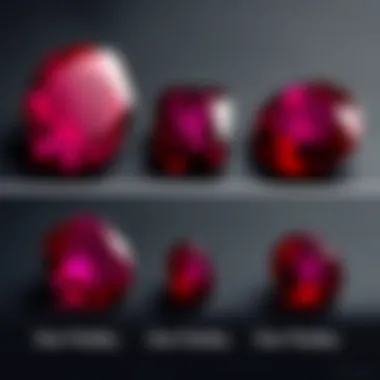
When it comes to star rubies, color is likely the most immediate factor recognized by potential buyers. The most prized star rubies radiate a rich, velvety red, often compared to ripe cherries on a summer afternoon. A standout characteristic is how the hue varies under different lighting conditions. High-quality stones display minimal variations, ensuring that deep, intense colors can be seen consistently.
Those with a more vivid hue tend to capture attention and command higher prices. However, shades veering towards brown or gray often aren't as desirable, lowering their market value significantly.
"While brilliance attracts the eye, it’s the allure of color that seals the deal."
Clarity
Clarity entails how clear or free from inclusions a star ruby is. A high-clarity star ruby that's devoid of noticeable flaws can dramatically alter its price. Light should ideally pass through it like a clear stream flowing into a lake, amplifying its luster. Buyers typically end up favoring stones with few hidden imperfections since they shine brighter and are perceived as more valuable.
That said, some inclusions can actually enhance a stone's character. Some collectors appreciate the story that a tiny flaw tells, especially when they learn it occurred naturally during formation. Understanding the delicate balance between perfection and imperfection is vital for any potential buyer.
CUT
The cut of a star ruby significantly influences its appeal and, consequently, its price. A well-cut gemstone maximizes its brilliance and reflects light more efficiently. Unlike a rough stone, a precisely shaped one can reveal its star effect—the mesmerizing optical phenomenon that distinguishes star rubies from other gemstones.
Sharp angles and symmetry add an intensity that simply cannot be overlooked. Achieving a solid balance isn't just about geometry; it’s about presenting the stone's inner beauty. However, a poorly executed cut could suppress these qualities, resulting in a stone that doesn't shine quite as brightly as its counterparts.
Star Effect
The star effect, or asterism, forms a captivating star-like pattern that glides across the surface of a star ruby when light hits it correctly. This optical illusion is the reason many collectors find themselves mesmerized. The intensity and sharpness of the star are critical characteristics that buyers look for. A well-defined star that appears centered indicates a higher quality stone.
This feature can either elevate a stone's worth or diminish it, depending on how pronounced and aesthetically pleasing the star is. More pronounced stars have a fascinating draw but can occasionally command heftier price tags, particularly among those who appreciate fine details and optical phenomena.
Rarity and Discovery
Geographical Origin
The geographical origin of a star ruby can add layers of complexity to its pricing. Rubies sourced from Myanmar are often viewed as the gold standard, favorably impacting their market value. Stones that come from other regions like Thailand, Sri Lanka, or Vietnam also carry their own histories and connotations, but lack the same automatic prestige.
Each origin often has distinctive characteristics that set them apart: color variations, inclusion types, and even the strength of the star can differ dramatically. Knowing where a stone comes from gives buyers an edge when assessing its potential value, as geographic pedigree can enhance desirability.
Natural vs. Treated
Natural star rubies that have undergone no enhancements will typically fetch a higher price than treated ones. The market increasingly values stones that can boast their authenticity. Treatments, while common in the industry for diamonds and other stones, can lessen a ruby's allure, causing it to lose some of its charm in the eyes of collectors.
Acceptable treatments can include heating to improve color and clarity, but if the treatment is disclosed and done ethically, the stone can still retain significant value. However, too much enhancement might lead buyers to rethink their investment, especially in a world increasingly conscious about integrity.
Market Dynamics
Demand and Supply
The delicate interplay between demand and supply stands as one of the cornerstones of any pricing mechanism, including star rubies. Historically, when the desire for these gems spikes, prices can follow suit in a steep upward trajectory. Conversely, should the market see a surplus of star rubies, one can expect a pullback in price.
Recent surges in popularity among collectors indicate a possible reshaping of the demand-supply curve. Keeping tabs on emerging markets can provide the informed buyer with insights that others may overlook, affecting their purchasing strategy.
Trends in Collecting
As aesthetics evolve, so too do collecting trends. In the past, large single stones were all the rage, but the current wave may emphasize unique cuts, organic looks, or historical significance. Recognizing these shifts can play a crucial role in evaluation and investment, allowing buyers a window into what might be hot next.
Being attuned to what other collectors value—be it heritage, rarity, or even cultural significance—can empower a buyer to make educated choices. Sometimes, the unexpected figure can shift the tides of valuation in ways no one sees coming.
Keeping an ear to the ground can lend perspective to those looking to get involved in this vibrant marketplace.
Current Market Prices
Understanding the current market prices of star rubies is crucial for anyone looking to buy, sell, or collect these exquisite gemstones. The fluctuations in price can provide insights into the individual stone's quality and the broader market dynamics that govern the gemstone industry. Knowing these details equips buyers and collectors to make educated decisions and avoid falling for inflated prices or subpar stones.
Retail Prices
Retail prices of star rubies can vary widely based on several factors. When shopping for these gems, one must consider the quality distinctions that exist within the market. Key aspects include their color, clarity, and the intensity of the star effect, all contributing to how the gem is evaluated in a retail context.
- Color: The most sought-after star rubies exhibit a deep red hue, often compared to the color of blood or ripe cherries. In contrast, those with paler shades generally command lower prices.
- Clarity: A star ruby's clarity is assessed based on visibility of inclusions. Stones with few or no inclusions are typically priced higher. When it comes to clarity, remember: ‘flaws are character.’ Still, in the commercial world, less is often more.
- Star Effect: The phenomenon known as asterism is what gives star rubies their enchanting allure. To be deemed a true star ruby, the stone must display a distinct star shape that is typically visible under direct light. The stronger and sharper this effect, the higher the stone's value.
- Cut: The way a star ruby is cut also plays a significant role in determining its retail price. Cabochons are typically preferred for star rubies, and an expertly crafted cabochon can enhance the gem’s display of the star effect.
In recent years, retail prices have shown a general upward trend. This is partly fueled by the increasing awareness and appreciation for ethical sourcing, where customers are willing to pay a premium for gemstones that are mined responsibly. Additionally, as scarcity increases, so does the desire for quality over quantity, reflecting changes in consumer behavior.
Auction Results
Auction results can be a telling indicator of the star ruby market's vibrancy. Here’s where truly rare specimens can fetch astonishing bids. Notably, auction houses such as Sotheby’s and Christie’s often feature star rubies that attract avid collectors, driving up prices. The results from these auctions can be quite illuminating, revealing trends that may not be visible in retail settings.
- Trends in Top Sales: Some of the highest auction prices for star rubies have been recorded for pieces that combine exemplary quality with historical significance. Such gems often end up in private collections or high-end jewelry pieces.
- Market Response: If a star ruby achieves a significantly high sale price, it usually sends ripples through the market, impacting how similar stones are valued in future sales. This price-to-market correlation demonstrates the delicate balance of supply and demand.
- Investment Potential: For gemstone enthusiasts, the auction scene provides an avenue not just for acquisition but also as a gauge of investment potential. Some stones may be estimated to appreciate over time, making them valuable assets.
Star rubies etched into the annals of auction history remind us of both the allure and the intrinsic value of gemstones shaped by nature and human skill.
It is essential for potential buyers to stay tuned to auction results and retail prices, as they are deeply interlinked, reflecting shifts in both consumer preference and market availability. Understanding these dynamics enhances one’s ability to navigate the world of star rubies effectively.
Ethical Sourcing and Its Impact
Ethical sourcing has increasingly become a crucial aspect of the modern gemstone industry. The decisions consumers make about where and how they acquire star rubies can significantly influence not just personal collections but also the broader market. Understanding ethical sourcing leads to informed choices, supports sustainable practices, and ensures fair treatment of the workers involved in mining and processing these precious stones. By recognizing the importance of responsible sourcing, savvy buyers can navigate the sometimes murky waters of gemstone valuation.
Understanding Ethical Sourcing
Ethical sourcing revolves around the procurement of minerals and gemstones in a way that considers environmental and social impacts. For star rubies, sourcing ethically means ensuring that the gems are mined responsibly, with adherence to labor laws and environmental regulations. This practice often requires companies to establish and maintain transparency in their supply chains. In the case of star rubies, it helps ensure that these beautiful gemstones are acquired without contributing to human rights violations or environmental degradation. Moreover, buyers should look for certifications or verifiable information related to harvesting practices—the more transparency, the better.
Impact on Pricing
The impact of ethical sourcing extends beyond feel-good narratives; it has substantive implications on pricing. As the market shifts toward sustainability and responsible practices, consumers increasingly demand verifiable ethical practices, influencing the price of star rubies. In this context, two critical aspects must be examined: sustainable practices and fair trade implications.
Sustainable Practices
Sustainable practices involve methods that either minimize environmental damage or actively promote ecological balance. In the star ruby market, this means supporting initiatives that reduce water usage, limit habitat destruction, and employ eco-friendly extraction techniques. The underlying characteristic of sustainable practices is their commitment to not just the present but the future of our planet and its resources. This approach resonates strongly with today’s consumer base, often making it a beneficial choice.
One unique feature of these practices is their potential to create a chain reaction among suppliers. When one company adopts sustainable measures, others may follow suit, creating a ripple effect that benefits the entire industry. An advantage of this strategy is that it can lead to premium pricing for star rubies, due to heightened consumer awareness and demand for ethically sourced gems. On the flip side, however, sustainable practices can initially inflate costs for producers, which may be passed down to buyers, thereby affecting accessibility.
Fair Trade Implications
Fair trade creates a level playing field by ensuring that producers receive just compensation for their work. In the realm of star rubies, this means workers are paid fairly, receive necessary training, and work in safe conditions. The essence of fair trade lies in its respect for the communities involved in the gemstone supply chain. It endeavors to prevent exploitation while promoting equitable trading terms, making it a popular choice for ethically conscious consumers.
A unique feature of fair trade implications is that it not only increases the price of star rubies to reflect their ethical origins but also offers buyers peace of mind knowing they support producers and communities rather than fueling exploitation. However, like sustainable practices, fair trade can complicate pricing mechanisms. Limited production and higher operational costs might push prices beyond the reach of some buyers.
Key Takeaway: Ethical sourcing in the star ruby market aligns consumer values with market dynamics, thereby driving demand and potentially influencing price increases while fostering more responsible mining practices.
In summarizing ethical sourcing and its impact, it becomes clear that conscientious consumerism can reshape the gemstone industry. By prioritizing sustainability and fair trade, buyers don't only benefit themselves but also contribute to positive social and environmental outcomes, carving a brighter path for star rubies in the market.
Evaluating Star Ruby's Value
Understanding the evaluation of star ruby’s value is crucial for both buyers and collectors in today’s competitive gemstone market. Pricing a star ruby involves various components, ranging from its inherent characteristics to personal preferences and cultural significance. As we peel back the layers, we find that these factors intertwine to affect the decision-making process when acquiring these captivating gemstones.
Certification and Grading
Certification and grading are foundational elements in determining a star ruby's worth. Certification comes from esteemed gemology laboratories, such as the Gemological Institute of America (GIA) or the American Gem Trade Association (AGTA). These bodies assess and grade gemstones based on stringent guidelines, taking into account critical aspects like color, clarity, cut, and the distinct star effect.


The grading process meticulously evaluates the intensity of the star phenomenon, which plays a pivotal role in desirability. A well-defined star that glimmers in the light can significantly bump up a ruby's market value. The importance of having a certified gemstone cannot be overstated; it not only assures the buyer of the authenticity but also establishes a clear standard within the marketplace, aiding in preventing disputes over valuation.
In the eyes of a collector or investor, having a certified star ruby means they’re banking on a piece that stands up to scrutiny. Therefore, certification is not just a formality; it is an essential safeguard that influences pricing dynamically.
Personal Preferences
Individual Tastes
When it comes to star rubies, individual tastes hold significant sway over perceived value. Each person’s aesthetic inclination directly impacts their choice, whether they prefer a fiery, vibrant red star ruby or a more subdued, darker variant.
The key characteristic of individual tastes is its subjectivity. What one person sees as a flaw, another may appreciate as unique character. For instance, some collectors might gravitate towards stones that display a prominent star with strong asterism, while others might focus on clarity or the richness of color. This subjective nature plays into pricing as well; pieces that resonate more with buyers often fetch higher prices because they fulfill personal desires.
An advantage of this personal connection is the emotional investment buyers make in their star rubies. It becomes more than just a transaction; it’s about the story that the stone tells and the joy it can bring, thus potentially inflating its value.
Cultural Significance
Cultural significance also factors into star ruby evaluation. In various cultures, rubies symbolize passion, protection, and power—elements that elevate their desirability. For example, in many Asian cultures, rubies are considered auspicious, symbolizing wealth and prosperity, which can lead to heightened demand.
The unique feature of cultural significance is its ability to create a narrative around each gemstone. Stories passed down generations about the gemstone’s purported powers can enhance a collector's interest, thus impacting the market. In this case, a star ruby might not just be evaluated strictly on its visual appeal but also on its historical relevance or the lore surrounding it.
While the emphasis on cultural stories can make certain star rubies more collectible, it can also complicate valuations for non-cultural practitioners who may not understand these connections. However, clearly, melding cultural narratives with pricing connects buyers to their gemstones on a deeper level.
To sum it up, evaluating the value of star rubies involves a comprehensive approach, with emphasis on certification, personal preferences, and cultural significance. By taking into account these factors, collectors and buyers will be equipped to navigate the nuances of the market, thereby enhancing their purchasing decisions.
Future Predictions for Star Ruby Prices
In the realm of gemstones, forecasting future prices is as critical as it is challenging. The star ruby, known for its captivating star-like phenomenon, is no exception. This section delves into future predictions regarding star ruby prices, illuminating their significance in understanding market trajectories and investment value. By looking at trends, potential demands, and evolving practices, one can glean insights that might assist both enthusiasts and investors alike in making informed decisions.
Potential Trends
There are several trends that are likely to shape the market for star rubies in the coming years. Here are some key factors to consider:
- Increased Demand from Asia: As economic growth continues in countries like China and India, there’s a growing appetite for luxury items, including star rubies. These regions have a deep cultural appreciation for gemstones, which is likely to drive prices higher as demand increases.
- Focus on Sustainability: Consumers are becoming more conscious of their purchasing choices. Gemstones sourced ethically are gaining favor, and star rubies from transparent supply chains might see a revenue boost. This shift could cultivate a market where ethical sourcing directly correlates with higher prices.
- Investment Potential: With the current trend of alternative investments gaining popularity, star rubies may be treated similarly to art or real estate. Collectors might start viewing these gemstones not only as decorative pieces but also as financial investments.
"With the increasing intersection of culture and commerce, star rubies seem poised for a pronounced uptick in value over time."
- Trend towards Vintage and Unique Pieces: In the world of collectibles, unique star rubies, especially those with historical significance or exceptional clarity, could command a much higher price. The narrative surrounding these stones will likely heighten their desirability.
Technological Advances in Gemstone Industry
Technological advancements have a significant impact on the gemstone industry, shaping both the cultivation and valuation of star rubies.
- Enhanced Grading Methods: The introduction of advanced grading technologies, such as AI and machine learning algorithms, allows for more accurate evaluations of gemstones. This can lead to a more standardized pricing structure, as buyers and sellers rely on precise data concerning quality and characteristics.
- Blockchain for Traceability: Traceability is becoming increasingly important in the gemstone sector. Blockchain technology can provide verifiable information regarding the origins of a star ruby, its journey through the supply chain, and its authenticity. This advancement can enhance consumer confidence and potentially drive prices up for stones that boast credible provenance.
- 3D Modeling and Virtual Marketplaces: As online markets for gemstones expand, technologies that facilitate virtual viewing and appraisal of star rubies may transform purchasing habits. Buyers can now assess gems from their own homes, making them more accessible to a broader audience, which could influence how prices evolve over time.
- Artificial Intelligence and Lab-Grown Options: While lab-created star rubies are not the same as their natural counterparts, advances in synthetic gem production may create a competitive market. Natural stones may retain higher value due to their rarity and collectibility, but this competition might spark a shift in price dependency on quality versus source.
With advancements in technology and a shift in market dynamics, the landscape of star ruby prices is poised for transformation. Keeping a pulse on these potential trends and innovations can help stakeholders navigate the complex and captivating world of star rubies.
Culmination
In wrapping up the exploration of star rubies and their pricing dynamics, it’s crucial to understand that much goes beyond just the aesthetic allure of these gems. The significance of the conclusion in this article lies in assessing the multifaceted factors influencing the market value of star rubies. By synthesizing insights from the various sections, we can see how elements such as quality, rarity, and ethical considerations all intertwine to form a complete picture of a star ruby's worth.
Summary of Key Points
To encapsulate what we've delved into:
- Quality and Characteristics Matter: The stone's color, clarity, cut, and, most importantly, the star effect drastically affect its appeal and pricing. A well-defined star can elevate a star ruby's value significantly.
- Rarity and Geography: The origins of these gems offer a treasure trove of information. Natural vs. treated stones can lead to stark pricing differences, with untreated gems typically holding more value.
- Market Dynamics: Current trends, demand versus supply dilemmas, and collector behavior play pivotal roles in determining prices at both retail and auction.
- Ethical Sourcing: The rising importance of responsible gemstone sourcing is not just a moral consideration but also increasingly a determinant in how potential buyers evaluate the worth of their purchases.
- Investment Insight: Long-term investment in star rubies is multifaceted. Appreciating their value demands not only an understanding of the gems themselves but also of the evolving market landscape.
Final Thoughts on Investment in Star Rubies
Investing in star rubies is as much an art as it is a science. Gemstone enthusiasts, collectors, and jewelry designers should keep a close eye on market trends while also aligning purchases with personal passions and interests. Here are a few key takeaways when considering an investment:
- Prioritize Quality: Always seek stones with superior characteristics. A well-cut star ruby with a vibrant color will likely appreciate better over time.
- Stay Informed: Knowledge is king. Understanding both historical trends and current market fluctuations can give an investor an edge in making informed decisions.
- Ethical Considerations: The value of ethically sourced gems is gaining traction in the market. Ensuring your purchases align with these rising standards can not only be ethically satisfying but also financially rewarding in the long run.
With star rubies, the price tag reflects not just the quality and rarity but a narrative that spans history, culture, and the future of gemstone investments. Making thoughtful, informed decisions can lead to fruitful outcomes in your journey with star rubies.