The May Birthstone: Exploring the Emerald's Significance


Intro
Emeralds, with their vibrant green hues, have fascinated humanity for countless generations. As the birthstone for May, these gems are not only a symbol of spring and renewal but also embody rich cultural significance and a multitude of metaphysical properties. In this article, we take a closer look at these captivating stones, exploring their historical context, formation, care tips, and much more. By peeling back the layers of the emerald's mystique, we hope to give both gem enthusiasts and casual readers a deeper understanding of what makes this gemstone truly special.
Gemstone Overview
Definition and Characteristics
Emeralds are a variety of beryl, a mineral that also gives rise to other precious stones like aquamarine and morganite. What sets emeralds apart is their distinctive green color, which comes primarily from traces of chromium and sometimes vanadium. The best emeralds boast a deep, vivid green shade. Their lush color evokes a sense of tranquility and renewal, perfectly aligning with the essence of spring.
Emeralds are known for their inclusions, often referred to as 'jardin', which translates to garden in French, describing the intricate natural patterns found within these gems. While some may see these inclusions as blemishes, they add character and indicate the gem's authenticity.
Classification of Gemstones
The world of gemstones can be divided into two main categories: precious and semi-precious. Generally, emeralds fall under the precious category, alongside diamonds, rubies, and sapphires. These are often sought after due to their rarity and exceptional qualities.
However, drilling deeper into the classification of gemstones reveals additional layers. Gemstones can also be classified based on their color, hardness, and other characteristics like transparency and luster. Here are a few important classifications concerning emeralds:
- Color: The depth and tone of green can vary widely among different emeralds, impacting their value.
- Hardness: Emeralds typically rank around 7.5 to 8 on the Mohs scale, making them relatively durable but still requiring proper care.
- Origin: Emeralds are mined in several locations worldwide, with some of the most famous deposits found in Colombia, Zambia, and Brazil.
Properties of Gemstones
Physical Properties
Emeralds exhibit a unique set of physical properties that enhance their appeal:
- Brittleness: Despite their beauty, emeralds can be quite brittle due to their inclusions, making them prone to chipping if not handled carefully.
- Refractive Index: They have a refractive index ranging from 1.577 to 1.583, contributing to their brilliant sparkle.
- Specific Gravity: This measures between 2.67 and 2.78, indicating how heavy they feel given their size.
Chemical Properties
Chemically, an emerald is composed of beryllium aluminum silicate, represented by the formula Be3Al2(SiO3)6. Both chromium and vanadium confer its enchanting green shade—a testament to the interplay of geology and beauty in nature. The presence of these elements can influence the stone's value significantly. Different gems can share some similar traits but emeralds remain distinct with notable color variations.
"Nature never goes out of style; it is the finest art of all."
The intricate world of emeralds brings forth not only beauty but a narrative woven through time. Understanding its properties enhances the appreciation for this gemstone and its position in nature. As we continue to unravel the layers of emerald, further exploration awaits in the next sections, diving into its cultural significance, selection tips, and care practices.
Preamble to Birthstones
Birthstones hold a special place in cultural traditions and personal beliefs. They are not just pretty gems; they are imbued with history, significance, and symbolism. Understanding the lore behind these stones is essential, especially when turning to a birthstone like emerald, which has a storied past and unique properties. The May birthstone is often associated with prosperity, growth, and renewal, mirroring the characteristics of spring.
In this section, we will delve into why birthstones matter. They serve as personal talismans and are often gifted during key life events, such as birthdays and anniversaries. More than just decorative items, birthstones often provide a sense of identity and connection to one’s birth month.
Historical Background
The roots of birthstones can be traced back to ancient civilizations. Many believe that the tradition started with the Hebrew Bible, where various gemstones were linked to the twelve tribes of Israel. This notion evolved through the ages, leading to the modern equivalent we recognize today. Historical accounts show that during the First Century, figures like Josephus, a Jewish historian, noted the connection between each tribe's stone and its properties.
In the coming centuries, Roman influence helped catapult the birthstone tradition into wider society. Rings engraved with these stones were often worn by the wealthy as not just decorations but as personal charms believed to provide protection and luck. For individuals born in May, wearing an emerald doubled as a symbol of wealth, beauty, and power. The emerald was often deemed the stone of Venus, the goddess of love, further enhancing its desirability.
Cultural Significance
Birthstones are deeply woven into various cultural frameworks across the globe. For those born in May, the emerald’s significance is particularly vivid in multiple traditions. In ancient Egypt, the emerald was believed to foster rebirth and fertility; it was often buried with mummies as a protective charm.
In more contemporary settings, emeralds are embraced for their healing properties. Many cultures regard emeralds as symbols of insight and foresight, often associated with growth—just as spring brings new life. In India, emeralds are sometimes linked to the god Budha, believed to enhance intelligence and eloquence.
Moreover, the gemstone has found significance in various artistic expressions, from literature to jewelry design. Engagement rings featuring emeralds evoke a sense of romantic connection, residing in the heart of many artists and enthusiasts alike. As we navigate through this exploration of the emerald, it's crucial to appreciate not just its visual allure but also the rich tapestry of beliefs and practices that surrounds this beautiful stone.
The Emerald: May's Birthstone
The emerald holds a prestigious place as the birthstone for May, symbolizing love, rebirth, and fertility. This gem has transcended time, captured hearts, and fascinated cultures around the globe. Its captivating green hue is not only aesthetically pleasing but also comes packed with intricate attributes and stories that make it a gem of remarkable significance. In this section, we will explore the emerald in depth, from its physical properties to its chemical makeup, to appreciate fully what makes this gemstone vital for May born individuals and collectors.

Overview of the Emerald
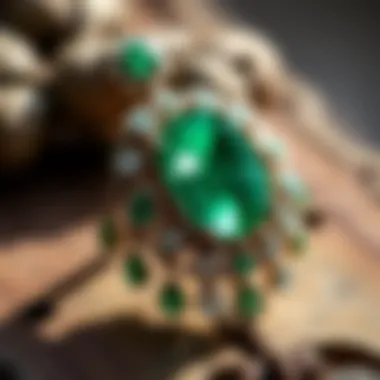
Emerald, belonging to the beryl family, offers an intense green color that sets it apart from many other gems. Its striking hue often comes from trace amounts of chromium and sometimes vanadium. This gemstone's charm is not just skin deep. It has a long history intertwined with legends, spiritual meanings, and its use in royal jewelry—qualities that contribute effectively to its allure. The notion of the emerald as a symbol of hope and renewal has persisted through generations.
Historically, emeralds were favored by ancient civilizations, from the Egyptians who utilized them in talismans, to the Incas who regarded them as sacred stones. Even today, the reputation of emeralds is in the limelight due to their timeless beauty and connection to numerous cultures.
Physical Properties
Color and Clarity
The primary allure of emeralds lies in their vibrant color. Typically, emeralds are more valuable when they possess a deep green that is neither too dark nor too light. The ideal emerald displays a vivid, rich green hue with a high degree of transparency. Clarity plays a substantial role in determining the quality of an emerald; however, unlike other gems, inclusions are often viewed as a point of character rather than a flaw. These inclusions, lovingly termed as 'jardin' (French for garden), are a fingerprint of natural formation.
- Key Characteristic: The iconic green color is both eye-catching and signifies growth and renewal, making it a popular choice for engagement rings.
- Unique Feature: Rather than a flaw, inclusions can enhance the stone’s excitement. Some collectors actively seek emeralds with distinctive jardin patterns, seeing them as nature's signature.
- Advantages: The rich color and unique clarity of emeralds make them captivating and highly sought after in jewelry.
Hardness and Durability
When it comes to hardness, emeralds rank approximately 7.5 to 8 on the Mohs scale. This level of hardness makes them suitable for various types of jewelry, provided that care is taken. However, emeralds are more brittle compared to other gems, so it's worth handling them with care to avoid chipping.
- Key Characteristic: Despite being durable, emeralds can still fall victim to scratches or accidental hits due to their brittleness; thus, specialized settings help shield them.
- Unique Feature: Being a beryl, emeralds are softer than diamonds or sapphires, yet they remain a preferred choice due to their unique character and depth of color.
- Advantages: With proper care, emeralds can maintain their integrity and serve as heirloom pieces that add a personal touch to jewelry collections.
Unique Inclusions
The unique inclusions found in emeralds often serve as a testament to their natural genesis. These inclusions tell stories of how and where the emerald originated. Not only do they add character to the gem, but they also signal authenticity, something highly prized among collectors. The distinctive patterns present within an emerald enhance its charm, making each stone unique.
- Key Characteristic: Inclusions can contribute to the charm of the emerald, as they provide tangible evidence of its natural origin.
- Unique Feature: The garden-like inclusions within emeralds are much sought after; they foster a connection to the earth and emphasize the gem’s natural beauty.
- Advantages: For enthusiasts and collectors, unique inclusions may increase the stone's historical importance and sentimental value.
Chemical Composition
Emeralds primarily consist of beryllium aluminum silicate, often containing traces of chromium, vanadium, and iron. This specialized chemical structure not only gives emerald its distinctive color but also contributes to its unique properties. In fact, the molecular arrangement of beryllium allows the stone to form in such a way that it captures light, adding depth and vibrancy to its green hue. With the right combination of elements, an emerald can achieve remarkable brilliance, being both captivating visually and rich with meaning.
Emeralds are more than just gemstones—they're pieces of history, and their compound composition is part of their story. The blend of geology and mythology that surrounds these vibrant stones is what makes them special.
A true appreciation of the emerald entails understanding both its natural beauty and the unique attributes that arise from its formation.
Knowing all of this, it's clear that the emerald is not just a gemstone; it's a treasure filled with life and history, making it significantly more than an ornament. The journey of this green beauty from the earth to collectors and jewelry enthusiasts is a tale of admiration and reverence, which carries on through ages.
Emerald's Historical and Cultural Significance
The significance of emeralds throughout history and across cultures is a fascinating aspect of this captivating gem. Not merely prized for its stunning green hue, emeralds have carried profound meanings, swirling tales of mythology and folklore that have enhanced their allure. This rich backdrop makes them not just gemstones, but vibrant elements imbued with cultural narratives. These narratives play a crucial role in human expression and serve as symbolic markers of identity.
Mythology and Folklore
Emeralds have long been associated with various myths and legends across different cultures. The ancient Egyptians held the emerald in high esteem, seeing it as a bearer of fertility and rebirth. They even buried their dead with emeralds, for they believed these stones could facilitate safe passage to the afterlife. Similarly, in ancient Rome, the emerald symbolized love and fidelity. They considered it a talisman for lovers, sparked by its vivid green hue that resonated with the essence of nature and abundance.
Emeralds were often engraved with inscriptions that were thought to enhance their protective powers, bridging the gap between the divine and mortal realms.
Additionally, in Hindu mythology, emeralds are a central part of the Navaratna, or nine precious stones, believed to bring good fortune and prosperity.
Legends of the Emerald
Ancient Civilizations
From the rich tapestry of the Inca civilization to those of South Asia, ancient civilizations viewed emeralds as more than mere decorative stones. In particular, the Incas regarded them as sacred, using these gems in rituals and as offerings to their deities. Notably, the legendary city of El Dorado, said to be wrapped in emeralds, illustrates the lengths to which these early peoples revered the green gemstone.
The contours of their society were reflected in how they adorned themselves and their leaders, often encrusting their objects of power with emeralds to signify status and divine favor. Crucially, this selection speaks volumes about their society’s values, intertwining wealth with spirituality, leading us to understand how important and revered these gems were.
Cultural Icons
Emeralds have also been linked to various cultural icons and legendary figures throughout history. Cleopatra, the last active ruler of the Ptolemaic Kingdom, was famously associated with emeralds, often seen wearing large, exquisite pieces that symbolized her power and status. During her reign, these alluring gems became synonymous with her beauty and intelligence.
Moreover, significant artistic representations in royalty and folklore show how emeralds were believed to possess mystical properties. The infusion of emeralds into royal adornments showcases how these stones have transcended their material value, becoming emblems of national identity and pride. The unique aspect of incorporating such gem into their identity allowed cultures to establish not just a luxury item, but to forge legends that persist even today.
Formation and Occurrence of Emeralds
Understanding the formation and occurrence of emeralds adds a fascinating layer to their allure. This knowledge not only enriches an enthusiast's appreciation but also informs those looking to invest in quality gemstones. The process behind how emeralds are formed is as intricate as the gemstone itself. Knowing where they originate can guide collectors and jewelry designers in selecting pieces that are both beautiful and meaningful.
Geological Formation
Emeralds are primarily formed in metamorphic rocks through the process of metamorphism. These gems develop within the Earth's crust, becoming part of a chemical reaction involving beryl minerals and specific elements like beryllium, aluminum, and silica. The presence of chromium and sometimes vanadium gives emeralds their vibrant green hue that has charmed many throughout history.
The way emeralds form requires precise conditions, such as heat, pressure, and the right chemical environment. This unique blend can take millions of years. All these conditions must align perfectly, making emerald formation a rare occurrence in nature.
Major Sources Worldwide
Emeralds are not just limited to a single region; they are found in several parts of the world, and each location contributes uniquely to the quality and characteristics of the stones. The three most notable sources are Colombia, Zambia, and Brazil.
Colombia
Colombia stands tall in the realm of emerald production. It is often hailed as the brass ring for gem enthusiasts and collectors alike. The country's Muzo, Chivor, and Coscuez mines are noted for producing high-quality emeralds, known for their deep, rich green tones and minimal inclusions.
What makes Colombian emeralds particularly coveted is their history and the mining techniques still in practice today, blending ancient traditions with modern methods. However, Colombia's emerald production is not without challenges. The mines can be difficult to access, and the local politics surrounding mining practices can add layers of complexity for buyers and sellers. Ultimately, the allure of Colombian emeralds remains unsurpassed, often used as a benchmark for quality in the gemstone market.
Zambia
Zambia offers a different yet equally intriguing contribution to the emerald market. With the Kafubu River region being the most prominent source, Zambian emeralds are recognized for their darker shades, often leaning towards a bluish-green hue. This vivid color distinction makes them stand out amidst other emerald sources.
Another compelling factor is that Zambian emeralds often exhibit more inclusions compared to their Colombian counterparts, which gives each stone a unique character. They are more affordable, providing good quality without breaking the bank. However, buyers should always be cautious and look for reputable certifications to avoid subpar stones in the market.
Brazil
Brazilian emeralds have their own charm, predominantly found in the Minas Gerais region. They are known for their lighter green color, which often lacks the deep saturation of Colombian stones. While some might view this as a disadvantage, many appreciate the unique characteristics Brazilian stones bring to the table, making them a versatile option for custom jewelry design.
The accessibility and relatively easy mining methods in Brazil have led to a steady supply of emeralds, fostering robust production rates. However, these stones can sometimes lack the historical weight that Colombian or Zambian emeralds carry, which may make some collectors hesitant. Regardless, they offer an excellent entry point for those new to gemstone collecting.
In summary, the geological formation and the various major sources of emeralds suggest a narrative filled with complexity and cultural significance. The insight into where and how these gemstones are crafted by nature enriches the appreciation and understanding for anyone wanting to delve deeper into the world of emeralds.
Selecting a Quality Emerald
When it comes to choosing an emerald, the process isn't just about finding a pretty green rock. Selecting a quality emerald requires a discerning eye and a bit of knowledge about what makes these gems thrive in both allure and value. The key elements to focus on are clarity, color, and cut, along with considerations for personal taste and ethical sourcing.
Evaluating Clarity and Color
Clarity tallies alongside color as essential metrics in determining the quality of an emerald. Unlike diamonds, where clarity is often a hallmark of quality, emeralds accept inclusions, also known as "jardin"—a term that refers to the garden-like appearance some stones have due to these internal features. Not all inclusions are viewed as negative; in fact, some can enhance the unique personality of the gem. Yet, the clearer the stone, the more desirable it may be to collectors and jewelry enthusiasts.
Color, on the other hand, is paramount. Emeralds are cherished for their rich green hues. The most sought-after shades flit between a lush grass green to an intense bluish green, ideally flaunting a balance in saturation and brightness. When evaluating color, keep in mind:
- Hue: The actual tone of the green.
- Saturation: The intensity or depth of the color.
- Tone: The lightness or darkness of the color.
A high-quality emerald should strike a balance, steering clear of overly dark or washed-out tones—after all, the vibrant glow is what keeps enthusiasts coming back.
Setting and Style Considerations
Once a quality emerald has been selected, determining how to set it shouldn't be taken lightly either. The right setting can elevate the aesthetic of the stone and showcase its unique characteristics. Emeralds can be paired with various metals like yellow gold, white gold, or rose gold, depending on the desired look and feel. Traditionally, yellow gold tends to enhance the vivid green of emeralds, while white gold exudes a more contemporary and sleek appearance.
Styles may range from classic solitaire settings to more intricate designs featuring diamond accents that complement the emerald's rich color. Think about whether you’re looking for something timeless or modern, as this can significantly affect both the gemstone's presentation and your satisfaction over time.
- Classic settings: Often center around simplicity, focusing solely on the gemstone.
- Vintage styles: Can add intricate detailing that compliments the emerald’s allure.
- Custom designs: Offer full control over aesthetics and can make a statement.
Ethical Sourcing and Certification
In today’s world, where consciousness around sourcing and sustainability is gaining traction, the importance of ethical sourcing in gemstone acquisition cannot be understated. It's crucial to verify that your emerald comes from reputable sources that adhere to ethical mining practices. This minimizes the impact on communities and environments and ensures fair treatment to those involved in the mining process.
Certificates from recognized gemological institutions, like the Gemological Institute of America (GIA), can serve as proof of the authenticity and quality of the stone. Ensure that your emerald is:


- Conflict-free: Make sure no adverse impacts are associated with its extraction.
- Lab-certified: A valid certification can verify quality and origin, providing peace of mind to the buyer.
Emeralds can be a valuable and timeless gift or investment. When you make a choice grounded in quality, ethical considerations, and personal preference, you're making a decision that resonates not just on a material level but on a cultural and moral one as well.
Care and Maintenance of Emeralds
Caring for an emerald is not just about preserving its beauty; it’s also about respecting this precious gem's unique nature. As a prized possession, an emerald deserves attention to detail and thoughtful handling to maintain its vibrant glory through the years. Let’s dive into the essentials of keeping your emerald jewel in tip-top shape, addressing both cleaning and storing practices.
Cleaning Techniques
Cleaning an emerald might seem straightforward, yet it comes with its own set of rules due to the stone's distinct properties. Regular maintenance is key, but it’s vital to approach it with caution. Generally, a gentle method is the way to go. Here are some effective cleaning techniques:
- Warm Soapy Water: Mix a few drops of mild soap in warm water. Soak a soft cloth or a soft-bristle toothbrush into this solution to gently wipe the gemstone. Avoid using harsh chemicals, as they can dull the stone's luster.
- Avoid Ultrasonic Cleaners: This method might work wonders for diamonds but can be detrimental to emeralds because of potential fractures and inclusions.
- Don’t Skip the Rinse: After cleaning, rinse the emerald thoroughly with warm water to remove any soap residue, then pat dry with a soft cloth. It’s crucial not to rub the surface too harshly, as emeralds can be sensitive to abrasive materials.
"Proper care not only enhances the visual appeal of an emerald but also extends its life, ensuring your investment is as enduring as your memories."
Understanding when to clean is just as necessary as how to clean. A simple rule of thumb is to clean your emerald after it has been worn a few times, especially after exposure to makeup, lotion, or fragrances, which can build up residue on the stone.
Storing Your Emerald
The way you store an emerald can significantly impact its longevity and quality. A few considerations can guide you in maintaining the integrity of the stone:
- Use a Soft Pouch or Box: An emerald can scratch easily, so it should be stored separately from other jewelry items to avoid any accidental damage. Use a soft pouch or lined jewelry box.
- Keep Away from Direct Sunlight: Prolonged exposure to sunlight may cause an emerald's color to fade or change. Store it in a cool, dark place.
- Temperature Stability: Avoid storing your emerald in places with extreme temperature fluctuations, such as a bathroom or near a heater. Constant moderate temperatures help in preserving the stone’s beauty.
- Precaution for Pieces with Metal: If your emerald is set in a metal, make sure that the metal does not corrode or react with other stored items. A tarnished metal can affect the overall look of the setting and the emerald itself.
In summary, paying careful attention to the care and storage of emeralds can make all the difference in the lifespan of these stunning gemstones. A little bit of routine effort goes a long way in keeping them cherished and pristine.
Metaphysical Properties of Emeralds
Emeralds, with their vivid green hues, are not only appreciated for their beauty but also carry a weighty presence in the metaphysical world. Many believe these gems possess unique energies that resonate with the human spirit. The exploration of emeralds' metaphysical attributes reveals insights into how they can impact one’s emotional well-being and spiritual growth.
Symbolism and Meaning
At the heart of emerald's metaphysical properties is its deep symbolism, which has evolved through cultures and ages. This gemstone is often associated with wisdom, growth, and patience. Gifted with the energy of the earth, it represents rebirth and renewal. In ancient times, the emerald was considered a stone of prophecy. Some thought it held powers to convey visions of the future, making it a favored stone among royalty and scholars alike.
Emeralds are also seen as a symbol of love and fidelity. They are said to foster harmony in relationships, often enhancing communication between partners. Touching upon emotional balance, this gemstone supposedly encourages individuals to speak their truth while promoting understanding and compassion.
Additionally, the color green embodies healing, freshness, and energy. People often use emeralds in rituals or meditation to connect with nature's vibrations, enhancing personal growth and tranquility in their surroundings. Ultimately, the emerald stands tall as a potent token of stability and prosperity, encouraging holders to embrace their potential.
Healing Attributes
When discussing the healing attributes of emeralds, it’s essential to recognize their multifaceted nature. Those who seek emotional healing may find comfort in the energy of emeralds. It is believed that carrying an emerald or wearing it as jewelry can help alleviate feelings of anxiety, panic, and fear. Such relief can instill an inner peace that allows individuals to feel grounded and safe in their environments.
Emeralds are often attributed with restorative properties, particularly regarding physical ailments. Some suppose that these stones can enhance physical healing, especially related to eyes and the heart. For those interested in holistic health, emeralds have been linked to improved vision and blood circulation. However, it’s crucial to note that such beliefs, while well entrenched in various cultures, are not scientifically proven.
Additionally, many spiritual practitioners advocate using emeralds to increase psychic abilities. They believe that the stone amplifies one’s intuition, sharpening instincts that can lead to personal insights and revelations. The combination of these attributes makes emeralds not just a visually captivating gem, but also a powerful ally for those journeying into the realms of self-discovery and healing.
"Emerald: A stone that speaks to the heart and opens the door to the wisdom that lies within."
In summary, whether viewed through the lens of symbolism or healing powers, the emerald holds a distinguished place in the metaphysical realm. As more people explore their potential benefits, the allure of this gemstone only deepens, enriching the tapestry of gemstone lore with each discovery.
Ending
The examination of emeralds, as they pertain to the month of May, reveals not only their opulent beauty but also their profound significance throughout history and in modern society. Understanding the allure of emeralds transcends just their aesthetic appeal; it reflects a connection to heritage, natural wonders, and the mystical qualities attributed to them.
One can't help but appreciate the emerald's rich history. This gemstone has graced the crowns of royals, inspired poets, and captured the hearts of collectors. As we delve into the enduring appeal of emeralds, it becomes evident that these stones symbolize not just wealth, but harmony and growth as well. The green hues echo the vitality of nature itself, making the emerald an enduring emblem of life and renewal.
Benefits of Understanding Emeralds
By comprehensively understanding emeralds—be it their properties, care, or metaphysical significance—individuals can make informed choices when selecting this gemstone. Whether one is buying a piece for oneself, a loved one, or even for investment purposes, knowledge enhances the experience. A well-chosen emerald can carry personal meaning, perhaps as a symbol of a significant life event or an essential milestone.
Furthermore, with sustainability becoming increasingly important, knowing about ethical sourcing and certification imbues one’s purchase with an added sense of responsibility and integrity. It's vital to remember that behind every piece of jewelry lies a story—understanding that story can enrich one's appreciation of the gem.
The metaphysical properties attached to emeralds, whether viewed through a lens of spirituality or personal belief systems, add another layer to this gem’s allure. Collectively, this knowledge accentuates the emerald's appeal in a world often dominated by fleeting trends.
In summary, the emerald stands as a testament to nature's artistry and humanity's long-standing fascination with gemstones. As explored in this article, its depth of character and significance continues to resonate, solidifying its place in the hearts of many. The journey through the emerald's facets—from natural formation to cultural interpretations—leaves one with not only a greater appreciation for the stone itself but also an enriching experience that transcends mere aesthetics.
"Emeralds are not just stones; they're a legacy woven into our cultural fabric."
As we concluded our exploration of this fascinating gemstone, it is clear that the May birthstone, with its vibrant green hue and rich history, remains an emblem of life and bonding in countless ways.