Exploring the Allure of High-Value Diamond Jewelry


Intro
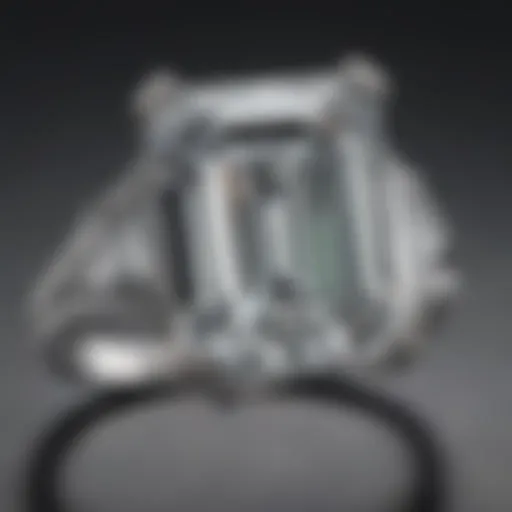
High-value diamond jewelry transcends mere adornment. It's a captivating blend of art, heritage, and investment, often representing not just monetary value but also the culmination of skill, creativity, and history. As we tread the glimmering path of these opulent pieces, let’s peel back the layers to explore what truly elevates these jewels to a pedestal of distinction.
Gemstone Overview
Definition and Characteristics
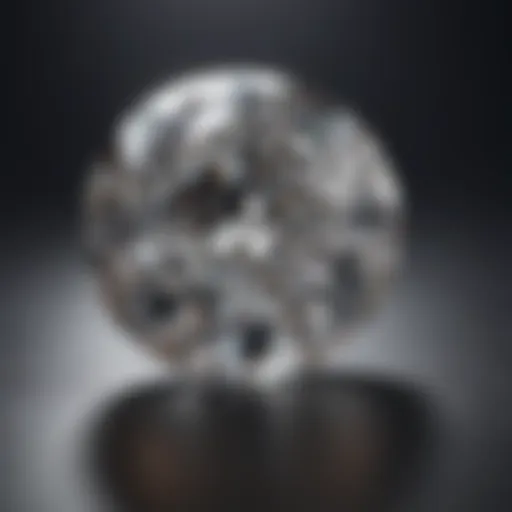
At its core, a gemstone can be defined as a precious or semi-precious stone that has been cut and polished to enhance its beauty. Diamonds, with their unrivaled brilliance and fire, are celebrated as the king of gemstones. Their unique structure gives them their renowned hardness, making them perfect for fine jewelry.
Diamonds are primarily valued for their carat weight, color, clarity, and cut—the infamous "Four Cs." Each aspect contributes to its overall allure:
- Carat: This is the weight of the diamond. A higher carat often equates to higher value.
- Color: Rarity plays a role in this factor; colorless diamonds fetch higher prices compared to those with noticeable hues.
- Clarity: This refers to the presence of inclusions or blemishes. Fewer imperfections lead to a more valuable stone.
- Cut: The craftsmanship involved in shaping a diamond impacts its sparkle. A well-cut gem reflects light beautifully.
Classification of Gemstones
Gemstones can be broadly classified into precious and semi-precious categories. Traditionally, diamonds are considered one of the four precious stones, alongside emeralds, rubies, and sapphires. Each gemstone class has unique characteristics and allure that attract different buyers.
Properties of Gemstones
Physical Properties
The physical properties of diamonds revolve around their brilliance and durability. These stones possess extraordinary refractive indexes—meaning they bend light in a way that creates stunning visuals. Their hardness, rated at 10 on the Mohs scale, makes diamonds resistant to scratches and wear, standing the test of time in various forms of jewelry, from rings to necklaces.
Chemical Properties
Chemically, diamonds are pure carbon atoms arranged in a crystal lattice structure. This makes their composition fascinating, as it explains both their remarkable strength and their ability to take a high polish. The presence of various elements can lead to color variations, adding to the jewel's charm and uniqueness.
"A diamond is forever, not only for its physical properties but for the stories it carries."
As we delve deeper into the allure of high-value diamond jewelry, the aspects of craftsmanship and rarity play pivotal roles in defining their worth. From celebrated pieces that reflect historical significance to modern designs that showcase innovation, every gem has a narrative that contributes to its status in the affluent world of jewelry.
Understanding Diamond Jewelry Valuation
Understanding diamond jewelry valuation is a crucial element in comprehending the full spectrum of high-value diamond jewelry. This topic is integral to both collectors and enthusiasts who wish to navigate the complex market of diamonds effectively. Valuation affects not only the price but also the perception of worth as it relates to craftsmanship, rarity, and cultural significance. A proper grasp of these valuation principles opens doors to informed purchasing, investment opportunities, and even the chance to appreciate these stunning pieces on a deeper level.
The Four Cs of Diamonds
The Four Cs are the cornerstones of any diamond evaluation. They provide a standardized method to assess a diamond's quality and, consequently, its market value.
Carat Weight
Carat weight is often the first thing people notice when looking at a diamond. It refers to the size of the stone, with one carat being equal to 200 milligrams. The main allure of higher carat weights lies in their visual impact; larger stones often command greater attention and prestige. However, it's not all about size. The carat weight can also significantly influence pricing, often in a non-linear manner. For instance, a two-carat diamond might cost more than double that of a one-carat diamond due to demand. While larger stones are certainly captivating, they can also come with increased costs and competition.
Cut Quality
The cut quality refers to how well a diamond has been shaped and faceted. It's a defining factor in how a diamond reflects light, which can greatly enhance its beauty. A well-cut diamond can appear more brilliant and sparkly than a poorly cut diamond of the same carat weight. This category is unique because it's profoundly influenced by the skill of the jeweler, emphasizing the artistry behind diamond cutting. A fine cut may command a premium, but it can be the very reason a diamond captures the eye and the heart at first glance.
Color Grading
Color grading assesses the absence of color in a diamond, with the most valuable stones being nearly colorless. The grading scale ranges from D (colorless) to Z (light yellow or brown). Often, a diamond with a higher color rating is more sought after; however, personal preferences vary. For instance, some individuals might appreciate the warmth found in slightly colored diamonds, offering an alternative market value. Clear preference for color can also be swayed by trends and cultural contexts, making it a fluid component in valuation.
Clarity Ratings
Clarity ratings evaluate the presence of inclusions and blemishes in a diamond. The fewer imperfections, the higher the clarity grade, with "Flawless" being the pinnacle of this scale. High-clarity diamonds are more coveted, contributing to a higher price tag. However, not all buyers prioritize clarity over other characteristics; some may prefer a unique inclusion or a stone with a story that adds personality to the piece. Clarity can thus offer a duality: value based on perfect standards versus value rooted in personal sentiments.
Market Trends and Pricing Dynamics
Understanding market trends and pricing dynamics is essential for anyone involved with high-value diamonds. The market is influenced by various factors, from consumer preferences to historical contexts.
Vintage vs. Modern Jewelry
When considering vintage versus modern jewelry, there's often a charming allure to the pieces that carry history. Vintage jewelry can carry a certain mystique and uniqueness, appealing to collectors who seek something with a story. These pieces can often appreciate in value over time, making them attractive investments. Conversely, modern jewelry may showcase new techniques and styles that capture contemporary tastes. The decision between vintage and modern often boils down to personal preference, but understanding the nuances can enrich one's collecting experience.
Influence of Popularity on Value
The influence of popularity on value cannot be overstated. Just like any collectible, diamonds can ebb and flow in desirability based on cultural trends, celebrity endorsements, and media exposure. A diamond that recently adorned a high-profile figure may see a significant spike in value simply due to its newfound fame. However, trends can be fickle; what shines brightly today may fade tomorrow. Thus, it’s wise for collectors to balance market awareness with personal tastes when considering their investments.
Global Economic Factors
Lastly, global economic factors play a pivotal role in diamond pricing. Economic stability, inflation rates, and even political climates can influence supply chains and market accessibility. For example, a downturn in the economy can lead to price declines as discretionary spending decreases. Understanding these economic trends can aid both buyers and investors in making educated decisions regarding their diamond purchases. Awareness of global demands can also reveal more about the fluctuating nature of this luxury market, highlighting the intricate interplay between economics and valuation.
"Evaluating high-value diamond jewelry demands not only a grasp of its components but also a keen understanding of the ever-evolving market landscape."
Iconic Examples of Expensive Diamond Jewelry
The allure of high-value diamond jewelry is not merely due to its sparkle. What truly captivates enthusiasts and collectors alike is the rich history, cultural significance, and the individual stories behind each piece. In this section, we delve into some of the most iconic examples, uncovering their fascinating tales and the delicate threads that connect them to humanity's collective narrative. Each diamond, steeped in legend and mystery, serves as a testament to the artistry of its creation and the timeless appeal of the gems themselves.
The Hope Diamond: A Legacy of Misfortune
The Hope Diamond is arguably one of the most famous diamonds in the world, not solely for its size or unique deep blue color but for its long history riddled with tales of misfortune and tragedy. Weighing an impressive 45.52 carats, it is believed to have originated from the Golconda mines of India, a place known for producing some of the most exquisite gemstones.
Its story began in the 17th century when it was acquired by a French merchant, Jean-Baptiste Tavernier, who sold it to King Louis XIV of France. Once it became part of the royal collection, it was not merely an adornment; it was a symbol of power and distinction.
However, the diamond's reputation is shadowed by a string of calamities that befell its owners. After the French Revolution, it vanished, resurfacing years later in England, where it came into the possession of various owners, each of whom seemed to experience their own misfortune.
"The Hope Diamond serves as a powerful reminder that even the most beautiful objects can carry heavy burdens."
In contemporary times, the diamond is housed in the Smithsonian Institution in Washington, D.C., where it draws millions of visitors who are eager to glimpse its beauty – and perhaps feel its mysterious aura. The Hope Diamond represents not merely the fascination with gemstone allure but also the culturally embedded stories that diamonds can represent.
The Pink Star Diamond: A Striking Rarity
The Pink Star Diamond stands out in the world of gemstones not just for its mesmerizing color but also for its jaw-dropping price. This astonishing 59.60-carat pink diamond is a rare find in the jewel world, celebrated for both its vivid hue and exquisite clarity. Notably, it was auctioned at a staggering $71.2 million at Sotheby’s in 2017, making waves in the market and stirring discussions among investors and collectors about what drives the value of such unique stones.
Discovered in the Argyle Mine in Australia, the diamond is a natural occurrence that showcases the beauty of shades that fall in the pink spectrum. Unlike more common diamonds, the rarity and deep color contribute significantly to its investment potential—making it a coveted piece among collectors.
The Pink Star's attributes highlight how beauty, rarity, and market demand interplay in establishing the worth of a diamond.
- Exceptional Color: The rich pink hue sets it apart in a market where color is a significant determining factor in valuation.
- Clarity: Almost flawless, it showcases the godly artistry of its cutting.
- Market Demand: As pink diamonds are increasingly scarce, the desire for such pieces only intensifies, impacting their value.
The Pink Star Diamond exemplifies a shift in luxury spending; buyers are not just investing in gemstone beauty but also in rarity. This diamond, alongside others like it, emphasizes the trend toward collectibles that hold both aesthetic and financial significance. As the world evolves, so too does the understanding and appreciation of these shimmering tokens of luxury.
Craftsmanship and Artistry in High-Value Jewelry
Influence of Renowned Jewelers
Tiffany & Co.
Tiffany & Co. is synonymous with luxury and exceptional quality. Renowned for its use of a specific hue known as Tiffany Blue, the brand has created a unique identity in the jewelry sphere. One of the most significant contributions of Tiffany & Co. is its commitment to craftsmanship. The meticulous attention to detail in each piece ensures a level of beauty and durability that sets it apart.
Their most iconic piece, the Tiffany Setting engagement ring, showcases a unique six-prong design, allowing more light to enter the diamond, enhancing its brilliance.
However, while the allure of Tiffany & Co. pieces often comes with a higher price tag, the investment is justified by the craftsmanship and the prestige associated with owning such a jewel.
Cartier
Known as the "jeweler of kings," Cartier is another titan in the world of luxury diamond jewelry. This brand consistently merges technical precision with artistic expression. What makes Cartier noteworthy is its innovative designs, such as the iconic Love Bracelet, which features a unique locking mechanism symbolizing commitment.
The quality of diamonds used in their pieces is always of the highest standard, making Cartier a favored choice for collectors and enthusiasts alike. Despite the often hefty price associated with Cartier jewelry, the craftsmanship and heritage it carries often make it well worth the expense.
Harry Winston
Harry Winston, famously known for his intricate designs that often showcase larger gemstones, has a legacy in bringing the most exquisite diamonds to the forefront of luxury fashion. What defines Harry Winston's work is the ability to highlight the natural beauty of each stone through masterful settings and minimalistic designs.
The most remarkable aspect of their jewelry is how the diamonds are showcased prominently, often remaining the premier focus of the piece. While ownership of a Harry Winston piece can also reflect luxury and prestige, the craftsmanship involved assures collectors of the quality and artistry invested in each creation.
Technological Advances in Diamond Cutting
Laser Cutting Techniques
In today's diamond industry, laser cutting techniques represent a leap forward in gem craftsmanship. This method allows for higher precision and more intricate designs, ensuring a level of accuracy that manual methods cannot match. The key characteristic of laser cutting is its ability to shape diamonds with incredibly fine detail, enhancing their brilliance while reducing the risk of damage during the cutting process.
The unique feature of this technique lies in its efficiency; less waste is created, allowing more of the rough diamond to be utilized. However, the downside may be the initial investment in technology, which can be significant for smaller jewelers.
Computer-Aided Design Innovations
With the advent of computer-aided design (CAD), the art of jewelry making has entered a new dimension. CAD allows designers to visualize their ideas in a virtual space, enabling them to experiment with shapes, sizes, and settings before any physical work begins. This technological innovation benefits jewelers by streamlining design processes and offering clients a more personalized experience.
Moreover, CAD's ability to mimic real-world settings enhances the client's understanding of the final product. However, some might argue that automated designs can lead to a loss of traditional craftsmanship, reducing the handmade appeal that many consumers value.

"Artistry in jewelry design is not merely about creating a beautiful object; it’s about connecting the wearer with the craftsmanship and the legacy it carries through time."
Together, the influence of renowned jewelers and the impact of technological advances shape the landscape of high-value diamond jewelry. By understanding these elements, collectors and enthusiasts can appreciate not only the allure of the pieces but also the hard work that goes into making them extraordinary.
Cultural Significance of Diamond Jewelry
Diamond jewelry holds a significant place in various cultures around the world. Its allure often goes beyond mere adornment; it encapsulates history, sentiments, and social standing. High-value diamond jewelry serves as a medium through which stories are told and legacies are built. Understanding this cultural dimension can provide a richer context to why these sparkling stones are esteemed not just as luxury items but as symbols of tradition, love, and even social commentary.
Diamonds in Historical Context
Royal Families' Adornments
Royal families have long adorned themselves with the finest diamond jewelry, not just for beauty, but to signify authority and prestige. Historically, these adornments have acted as a visual cue of power. Pieces such as the Crown Jewels of England are prime examples; they're not merely jewelry but artifacts that illustrate a nation's history. The gemstones themselves often include rare diamonds that have their own unique stories, having been gifted, discovered, or passed through hands of royalty.
A fascinating aspect of these royal adornments is that they often are used in ceremonial contexts, going beyond aesthetics. For instance, many crowns and tiaras are worn during significant state events, emphasizing the unity and heritage of the monarchy. This gives Royal Diamonds a unique charm—they are both prized jewels and pieces of history, connecting the present to a storied past.
Symbol of Power and Wealth
Diamonds have also been seen as a symbol to display wealth and social hierarchy. This notion transcends cultures, making diamonds universally recognized as the ultimate status symbol. Their rarity, not just in availability but also in quality, contributes to this symbolism. For instance, in regions like India and the Middle East, diamonds often represent both economic power and cultural significance.
Such associations can be double-edged, as despite their appeal, the idea of wealth linked with diamonds can create societal pressures—especially in cultures that value material display. Yet, this feature also adds to the diamond's allure; people often desire what they cannot easily obtain.
Modern Cultural Representations
Diamonds in Film and Literature
The portrayal of diamonds in film and literature further elevates their cultural significance. They are often depicted as objects of desire and intrigue, serving as pivotal plot points in countless stories. Think of the legendary heist in “Diamonds Are Forever” or the emotional weight of the Tiffany Blue box in “Breakfast at Tiffany's.” Such representations in pop culture solidify diamonds as more than just physical objects; they embody dreams, aspirations, and, sometimes, treachery.
This layer of meaning enhances the perception of diamonds in modern life. They become key plot devices that can reflect themes such as greed, morality, or the complexities of relationships, thus making them rich subjects for artistic exploration.
Influence of Celebrity Trends
Celebrities have a profound influence on trends in diamond jewelry. When a star chooses a particular diamond piece for a red carpet event, it doesn’t just highlight their taste but often tips the scales for popularity around specific styles or brands. This influence has been especially pronounced during award seasons, where the diamonds worn by celebrities can lead to an increase in sales for jewelers.
However, the democratization of celebrity culture also means that diamond jewelry becomes accessible to a broader audience. Everyday consumers often seek to emulate their favorite stars, driving demand for similar styles, albeit at various price points. This can create a delicate balance; while it promotes appreciation and desire for diamond jewelry, it also risks oversaturation.
In summary, the cultural significance of diamond jewelry serves several layers, from historical markers of status to modern-day symbols of luxury and aspiration. By examining both the traditional and contemporary aspects of diamonds, one can gain a comprehensive understanding of their multifaceted and enduring appeal.
Investment Perspective on Diamond Jewelry
Investing in diamond jewelry isn’t merely about adding a sparkling accessory to a collection; it’s about diving into an entire ecosystem of value, craftsmanship, and status. Diamond jewelry serves as both an artistic expression and a burgeoning asset class for many collectors and investors. In this part of the article, we'll unfold the layers of what makes diamond jewelry an attractive investment, considering unique facts and the nuances in play.
Factors Influencing Investment Potential
Scarcity and Rarity
Scarcity and rarity are the backbone of any investment value, and diamonds are no exception. The rarest diamonds—like the vivid blue of the Hope Diamond—are scarce in their natural form. Their rarity enhances their allure and drives up their market values significantly. This unique feature makes them not just pieces of ornamentation but also pieces of history that rarely become available.
- Scarcity arises from limited natural occurrences, geographical constraints, and extensive mining efforts.
- Rare diamonds, like those with unique colors or cuts, have higher demand, making them a sound choice for collectors wanting a greater return on their investment.
However, potential buyers must navigate the diamond market attentively as not every diamond meets the rarity criteria that leads to significant appreciation. A diamond's story can also play a pivotal role in its valuation, meaning investors need to research thoroughly.
Celebrity Ownership and Provenance
The ownership history of a diamond, especially if linked to a celebrity, can drastically impact its value. A diamond that once adorned the neck of a star can see a leap in worth due to its storied past. This aspect of celebrity ownership adds an additional layer of desirability, acting almost like a badge of honor for collectors. Provenance refers to the documented history of ownership, and in the world of diamonds, it can be just as critical as the diamond's cut or carat.
- Diamonds linked to well-known figures can often command higher prices at auctions.
- They carry a narrative that speaks volumes—after all, a rock that once sparkled at a red carpet can be worth its weight in gold on the resale market.
Yet, with high value comes significant scrutiny. Collectors need to ensure verified provenance to avoid facing counterfeit issues, which can cloud the otherwise gleaming opportunity.
Market Insights for Collectors
Identifying Valuable Pieces
Pinpointing valuable diamond pieces requires knowledge of trends, demand, and the unique characteristics that contribute to a diamond's worth. It's advisable to consult experts and rely on databases of past sales to gauge market interests. Identifying valuable pieces means evaluating traits beyond the visible sparkle, delving deeper into aspects like color grading, clarity, and historical context.
- There’s a need for rigorous examination, including certifications from entities like the Gemological Institute of America (GIA) where clarity and cut quality are documented.
- Understanding market trends can significantly enhance one's ability to make strategic purchasing decisions.
Failure to recognize what constitutes value could lead to suboptimal buying choices—collectors must remain vigilant, connecting dots between market activity and diamond quality.
Long-Term Investment Strategies
When considering diamonds as a long-term investment, collectors must adopt strategies that extend beyond mere acquisition. It's essential to think about diversification within the diamond category. Some strategies involve focusing on specific types of diamonds, like fancy colored diamonds, which may appreciate steadily over time due to their increasing scarcity.
- A long-term approach may include keeping up with market conditions, understanding shifts in consumer preferences, and adapting accordingly.
- Engaging with knowledgeable communities and resources can guide investment choices as trends frequently swing in dazzling directions.
However, long-term investments in diamonds come with challenges. Market volatility, changing tastes, and the need for proper insurance can make this path intricate. So, a well-researched strategy often shines as the most prudent course.
As diamonds evolve in popular culture and market perception, a keen understanding of market forces will equip collectors to navigate this fascinating sphere with confidence and foresight.
Ethical Considerations in Diamond Sourcing
The Kimberley Process
The Kimberley Process was created to prevent the trade of conflict diamonds—those mined in war zones and sold to finance armed conflict. This initiative showcases an effort to take a clear stance against human rights abuses associated with diamond mining. Despite its noble intentions, challenges abound, significantly affecting its efficacy.
Implementation and Challenges
The main strength of the Kimberley Process lies in its framework that mandates certification for rough diamonds, ensuring that they are not sourced from conflict zones. However, the implementation has faced scrutiny. Some criticize the certification system for lacking rigorous enforcement; hence, it can be undermined by loopholes that allow conflict diamonds to slip through the cracks. For consumers, this raises questions about the reliability of diamond provenance and could lead to a mistrust in the certification. Furthermore, the challenges of verifying the source of diamonds can complicate market integrity, especially when some sellers may not fully disclose where their diamonds originate. The effectiveness of the Kimberley Process ultimately results in a double-edged sword, offering conscientious buyers some peace of mind while hinting at the system's frailty.
Impact on the Market
The impact of the Kimberley Process on the diamond market is multifaceted. On one hand, it has encouraged a level of accountability among legitimate dealers, which, in turn, fosters consumer confidence. On the other hand, critics argue that the perceived safety generated by the Kimberley certification might drive buyers toward purchasing stones that, while conflict-free on paper, do not necessarily guarantee ethical mining practices. The dynamic landscape poses risks as consumers may remain unaware of ongoing ethical dilemmas concealed beneath surface assurances. Sellers who embrace full transparency about their sourcing stand to gain intrigue from astute buyers willing to pay a premium for ethical credibility. This complexity illustrates that while initiatives like the Kimberley Process are pivotal, they don't provide a complete safeguard against exploitation within diamond sourcing.
Emerging Trends in Ethical Sourcing
The modern consumer is evolving; they do not just seek beauty in gems, but they also want a story that aligns with their values. This shift toward ethical sourcing is reflected in two significant trends: lab-grown diamonds and increasing consumer awareness.
Lab-Grown Diamonds vs. Natural Diamonds
Lab-grown diamonds have surged in popularity for various reasons, mainly affordability and the perception of being ethical alternatives to natural diamonds. They are created in controlled environments and are chemically identical to their mined counterparts, posing exciting opportunities for innovation in the jewelry industry. While these diamonds reduce ethical concerns regarding mining practices, their rise also stirs discussion on authenticity and asoyallting value in the jewelry market.
Natural diamonds carry a romanticism that lab-grown diamonds currently lack, appealing to consumers who value tradition and rarity. However, the divergence often leads to a representational debate regarding what makes a diamond truly valuable. Products on both sides exhibit advantages and disadvantages—while lab-grown diamonds are relatively easier on the wallet, many consumers still grapple with the sentimental essence rooted in natural diamonds. The choice between lab-grown and natural diamonds is part of a larger conversation about consumer values and ethical consciousness in modern jewelry buying.
Consumer Awareness and Demand
Rising consumer awareness has fostered greater demand for ethically sourced diamonds. Information spreads quickly in our digital age, and buyers are increasingly seeking transparency about their jewelry’s origins. Brands that take pride in ethical practices find themselves attracting conscientious consumers who are willing to pay a premium.
This demand for ethical sourcing can also manifest in market strategies. Companies adopting sustainable practices often secure a positive reputation, which ultimately contributes to long-term loyalty among customers. However, the challenge remains to ensure that claims of ethical sourcing are backed by necessary certifications and tools for accountability. The market is shifting; brands that fail to adapt to these consumer preferences may be left in the dust.
Future Trends in the Diamond Jewelry Market
The diamond jewelry market is in a state of flux, shaped heavily by evolving consumer attitudes and technological advancements. Understanding these future trends offers not just foresight for buyers and collectors, but also insights into the direction this luxury sector is heading. Recognizing how consumer preferences pivot towards sustainability and personalization can have far-reaching impacts. Likewise, innovations such as blockchain and e-commerce reshape the landscape. It’s a thrilling time in the world of diamonds, as these elements come together to form a new horizon for both manufacturers and consumers.
Shifts in Consumer Preferences
Sustainable Luxury
Sustainable luxury has been gaining traction among discerning buyers, as individuals become increasingly aware of the ethical implications of their spending. It offers a guilt-free avenue, assuring consumers that their purchases do not contribute to environmental degradation or social injustices. This concept speaks volumes in today's context, especially as younger consumers make up a significant portion of the market. The characteristic of sustainable luxury lies in its transparency and focus on ethical sourcing.
A unique feature of sustainable luxury is its ability to intertwine elegance with responsibility—think lab-grown diamonds. These gems often mirror earth-mined diamonds in beauty and quality but come with a smaller carbon footprint. However, the road ahead is not without its bumps. While the narrative is compelling, sometimes there can be skepticism surrounding the value and authenticity of lab-grown options compared to traditional diamonds. Still, this shift marks a significant change in consumer priorities and encourages the industry to adapt.
Personalization in Designs
Personalization in designs has made quite a wave in the jewelry world. It's not merely about putting a name on a piece anymore; it’s about creating unique pieces that reflect an individual’s personality or story. This option gives jewelers an edge, drawing them closer to consumers who seek distinctive, meaningful purchases. A key characteristic of personalized jewelry lies in its bespoke approach—every piece tells a story, and each customization elevates that narrative.
Yet, one must weigh the advantages against drawbacks. On one hand, personalization can increase customer loyalty and satisfaction; on the other, it can complicate production processes and inventory management. Still, as consumers seek deeper connections with their purchases, there's no doubt that personalization opens a door to richer, more engaging experiences in the world of diamond jewelry.
Technological Developments Shaping the Industry
Blockchain for Provenance Tracking
Blockchain technology is making waves in various sectors, and the diamond industry is not an exception. This system serves as a decentralized ledger to track the entire journey of a diamond from the mine to the retail shelf, ensuring that the stone was ethically sourced and free from conflicts. The importance of blockchain in this realm can't be emphasized enough — it offers legendary transparency, and instills trust in an area ripe with scrutiny.
The unique feature of blockchain is the immutable record it maintains. Once data is entered, it can't be altered, adding an extra layer of security for consumers. Nevertheless, the implementation of such technology might be accompanied by challenges, primarily regarding costs and the learning curve associated with adopting new systems. But as awareness and demand increase, companies that leverage blockchain stand to gain a substantial foothold in the market.
E-Commerce Innovations
E-commerce innovations are reshaping how luxury goods, especially diamond jewelry, are bought and sold. Consumers expect easy online access to high-value pieces, demanding rich experiences that blend both convenience and luxury. The key characteristic of these innovations is the integration of virtual and augmented reality, allowing customers to engage with products in revolutionary ways.
Moreover, e-commerce provides a marketplace free from geographic limitations, enabling rare finds to reach a global audience. However, this accessibility can exert pressure on traditional retail models, leading to increased competition. While there are clear benefits, the challenge lies in ensuring product authenticity, particularly in a realm where value can hinge on the perception of exclusivity.
The trends in the diamond jewelry market underscore a broader shift in consumer values and priorities, highlighting the evolving nature of luxury and craftsmanship. The interplay of sustainability, personalization, and technology signals a fascinating evolution for both jewelers and consumers.