Exploring Ruby and Sapphire Jewelry: A Comprehensive Insight
Intro
Gemstone jewelry has held a certain enchantment for centuries. Among the glittering array of jewels, ruby and sapphire stand out, not just for their vivid colors and luxurious feel, but for their deep significance across cultures and histories. This article ventures into their fascinating realm, offering paths for enthusiasts at all levels to explore their vivid aspects.
From their geological origins to their aesthetic appeal, rubies and sapphires are not just precious stones; they are storied items that evoke emotion and craftsmanship. The allure they carry draws collectors, jewelers, and casual admirers alike. In this guide, we’ll break down various attributes of these gemstones, illuminating their value and what one should consider when selecting a piece for oneself or as a cherished gift.
Gemstone Overview
Definition and Characteristics
Ruby and sapphire both belong to the corundum mineral family, with their chemistry intertwined like a finely woven tapestry. The key difference lies in their color; rubies are known for their vibrant red hues, attributed to chromium, while sapphires can be a multitude of colors, except red, due to various trace elements like iron and titanium.
Characteristics:
- Ruby: Ranging from deep pigeon blood red to lighter pinkish tones, rubies are revered for their exceptional brilliance and hardness, making them one of the toughest gemstones available.
- Sapphire: Though blue is the most recognized sapphire shade, they can manifest in yellow, green, and even colorless forms. The firmness of sapphires is close to that of rubies, making them suitable for long-lasting jewelry pieces.
Classification of Gemstones
The categorization of gemstones can be quite intricate. Rubies and sapphires are typically classified as precious gemstones due to their rarity and value. However, they are also often placed alongside semi-precious stones, depending largely on certain conditions such as clarity and the absence of flaws.
- Precious Gemstones: Rubies, sapphires, diamonds, and emeralds.
- Semi-Precious Gemstones: All other gemstones like amethyst, garnet, and opal, which, while beautiful, do not carry the same weight in terms of value as the others.
Properties of Gemstones
Physical Properties
The physical characteristics of rubies and sapphires lend well to their enduring appeal. This consists of their luster, transparency, and the intricate details crafted by skilled jewelers. Both stones demonstrate a glass-like brilliance when polished and exhibit a hardness of 9 on the Mohs scale, cementing their place as suitable candidates for everyday wear, such as rings and necklaces.
Chemical Properties
Chemically, both rubies and sapphires consist primarily of aluminum oxide (Al2O3), a compound that gives them their strength and vivid coloring. The presence of specific metallic oxides, like chromium in rubies, and iron and titanium in sapphires, is what causes their stunning hues to manifest.
"In the world of gemstones, rubies and sapphires stand tall, not just because of their beauty, but about the stories they tell and the legacies they carry."
Understanding rubies and sapphires is more than just appreciating their aesthetic charm. By delving into their definitions, classifications, properties, and significance, collectors can make informed choices. The allure of these gemstones is profound, shaped by both nature and human craftsmanship, promising an enriching experience for all who seek them.
Intro to Ruby and Sapphire Jewelry
The world of jewelry is often painted with a splash of color, but few gemstones captivate the imagination quite like rubies and sapphires. This section serves as a doorway into the intriguing realm of these gemstones, shedding light on their significance, historical background, and what makes them cherished by jewelers and enthusiasts alike.
Historical Context
From ancient times, rubies and sapphires have held significant places in various cultures. In fact, the value of these gemstones dates back thousands of years. Historically, rubies were often referred to as the "king of gems" in many societies, believed to possess protective qualities. They adorned ancient royalty, signifying power and wealth. Sapphires, on the other hand, were treasured not just for their beauty but for their spirituality. In medieval Europe, clergy wore sapphire to symbolize heaven, while in the East, they were associated with wisdom and dignity.
The historical journey of these stones is intertwined with the narratives of empires and the rise and fall of civilizations. In places like Burma (now Myanmar), they were mined for centuries and considered sacred by those who uncovered them—a truly fascinating tale that is woven into the fabric of our shared history.
Cultural Significance
Beyond their aesthetic beauty, rubies and sapphires embody layers of cultural significance, often tied to beliefs that transcend geographic boundaries. In many Asian cultures, rubies are associated with love, passion, and power, often gifted in ceremonial practices. They are viewed as talismans, believed to bring good fortune and protection from harm.
Sapphires are revered around the globe as symbols of loyalty and nobility. Within the Western cultures, sapphires became synonymous with royalty after notable figures, such as Princess Diana and more recently, Duchess Kate Middleton, wore sapphire engagement rings.
"Jewelry can be a statement of who one is, but rubies and sapphires delve deeper; they tell stories of craft, emotion, and history."
Additionally, rubies and sapphires find resonance in literature and art, reflecting their symbolic meanings in various stories and expressions of culture. They are not merely jewelry; they are narratives, intertwined with human emotions across time and place.
The understanding of rubies and sapphires through this lens enriches the appreciation for them, allowing collectors, jewellers, and enthusiasts alike to grasp their multifaceted nature. As we venture deeper into this guide, the complexities of these remarkable gemstones will unfold, enhancing your knowledge and appreciation.
Understanding the Gemstones
Gemstones, particularly rubies and sapphires, are not just decorative pieces; they embody deep geological wonders and cultural narratives. Understanding these gemstones dives into their intricate formation and distinct physical characteristics. This knowledge not only guides collectors and jewelry designers but also enriches enthusiasts' appreciation of these precious stones.
Both rubies and sapphires belong to the corundum family, and grasping their properties lays the groundwork for identifying quality stones. For those in the jewelry industry, understanding the gemstones serves as a competitive advantage. It ensures that selections are informed and that pieces crafted are both gorgeous and valuable.
Geological Formation
Rubies and sapphires share a fascinating journey before they grace store shelves and adorn our fingers. They originate in metamorphic rocks, where high-pressure and high-temperature conditions transform aluminum oxide minerals over millions of years.
Generally, rubies develop in areas rich in minerals like iron and chromium, which give them that striking red hue. Sapphires, on the other hand, can present a kaleidoscope of colors—everything from deep blues to vibrant purples, depending on the trace elements present during formation.
The world's notable sapphire deposits are often found in regions like Kashmir, Sri Lanka, and Myanmar, while rubies are treasured from the likes of Myanmar and Madagascar. The geological history not only contributes to their aesthetics but also influences their availability and market value.
Physical Properties of Ruby
Rubies are renowned for their vivid color, hardness, and brilliance. These stones carry a hardness rating of 9 on the Mohs scale, second only to diamonds, making them incredibly durable. Their color often ranges from a deep pigeon blood red to a softer pinkish tone. What sets this gemstone apart is its exceptional "pleochroism", which means that they can display different colors when viewed from various angles.
Other notable properties include:
- Clarity: High-quality rubies have minimal inclusions. However, a few inclusions can actually enhance the stone's character.
- Cut: Common shapes for rubies include oval and cushion, which allow for maximum light reflection.
- Carat Weight: Larger rubies are rarer and thus more valuable, significantly influencing their market demand.
Physical Properties of Sapphire
Sapphires, while often associated with blue, come in a range of colors including yellow, pink, and even green. Their hardness matches that of rubies, which also contributes to their suitability for everyday wear.
Characteristic features of sapphires include:
- Color Variety: The presence of iron produces the deep blue tones, while variations of other trace elements create the splendid hues we see.
- Clarity: Just like rubies, sapphires are valued by their clarity. Transparent sapphires are usually preferred, but some inclusions might be accepted, providing a beautiful touch.
- Cut: Sapphires often have unique cuts, which can enhance their visual appeal. A well-executed cut will maximize a sapphire’s ability to refract light, showcasing its stunning colors.
With a solid grasp of the geological formation and stellar physical properties of rubies and sapphires, enthusiasts and professionals alike can approach the fascinating world of gemstone selection with the confidence and insight needed to appreciate their true value.
"The beauty of rubies and sapphires isn't merely external; it's rooted in their remarkable formation and unique physical characteristics, telling a story that began millions of years ago."
For a deeper dive into the geological aspects, resources such as Wikipedia and Britannica offer comprehensive insights.
Identifying Quality Rubies and Sapphires
Identifying the quality of rubies and sapphires is pivotal for both gem enthusiasts and professionals in the jewelry industry. This section brings to light the essential tools and metrics used for assessing the true value of these stunning gemstones. Grasping the intricacies of quality can dramatically influence purchasing decisions and can also serve as a guide for future investments. Undertaking such an analysis not only enhances appreciation of the stones but allows buyers to make informed choices that align with their preferences and budget.
The Cs of Gem Quality
The watchwords in the jewelry world when it comes to gem quality are generally known as the '4 Cs': Color, Clarity, Cut, and Carat Weight. Each of these elements contributes to the overall beauty and value of rubies and sapphires.
Color
Color stands at the forefront of gem quality criteria and plays a paramount role in establishing a gem's allure. For rubies, the most sought-after hue is a deep red, often referred to as "pigeon's blood." This specific color sets the benchmark for ruby quality, and darker hues can sometimes be perceived as more valuable, but not too dark to lose the stone's transparency.
For sapphires, the royal blue variety captures the hearts of many. However, sapphires come in a rainbow of colors, including pink, yellow, and green. Each color holds its unique charm and market appeal.
In terms of disadvantages, overly saturated colors may hide inclusions or affect the overall quality. Knowing which shades you prefer can make or break your gem experience.
Clarity
Clarity refers to the presence of imperfections within a gemstone, and it can significantly influence its value. Ideally, a ruby or sapphire should have minimal inclusions, allowing for optimal light performance. High-quality gems often show few to no inclusions visible to the naked eye, enhancing their desirability.
It's worth noting, though, that some inclusions in rubies might be overlooked if they reflect interesting color play. Identifying clarity can sometimes be a balancing act, as certain imperfections can add to the gem's character.
Cut
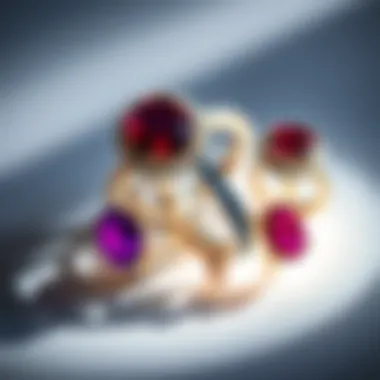
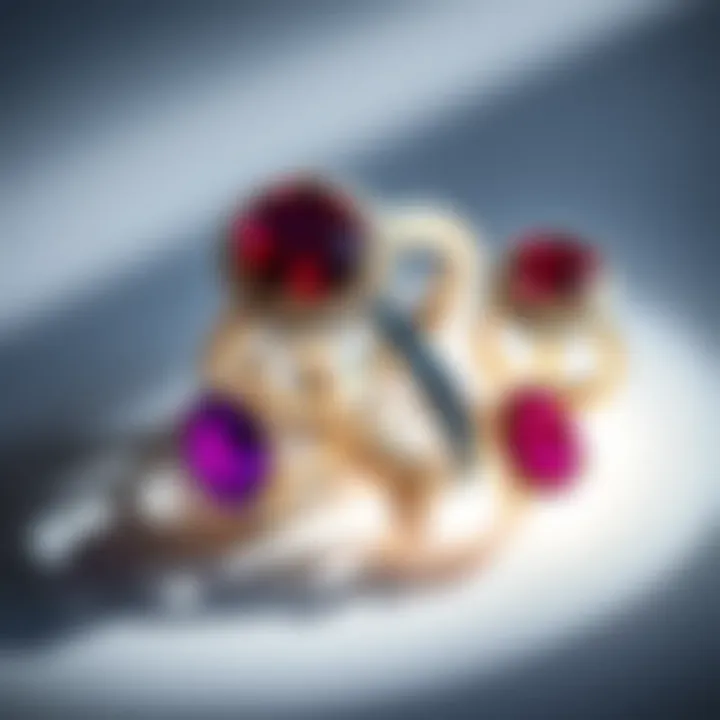
The cut of a gemstone shapes its beauty and brilliance, and it's crucial to consider how well a stone has been fashioned. A well-cut ruby or sapphire not only looks stunning but also maximizes the reflection of light.
Typically, rubies and sapphires are cut into various shapes such as oval, round, or cushion, and each cut can bring forth different qualities of the gem. A poorly cut stone, however, may lose its shine, diminishing its overall appeal and market value.
Carat Weight
Carat weight often draws attention, as larger stones are often seen as more valuable. However, the relationship between carat weight and value isn't always linear. It pays to remember that two gemstones of the same carat weight can differ dramatically in price based on their other qualities.
Being aware of carat weight helps evaluate the stone's overall presence. Generally, bigger pieces catch the eye more effortlessly, but as carat weight increases, so does the challenge of finding stones that remain high-quality in other Cs. Thus, buyers should view carat weight as one of several important considerations.
Common Treatments and Enhancements
Over the years, various treatments and enhancements have emerged in the gem industry to improve the appearance of rubies and sapphires. These processes can include heat treatment, which can enhance color and clarity. While these practices are commonplace, it’s essential for buyers to discern treated gems from untreated ones, as treatments can often affect long-term value.
A downright critical part of the buying process is ensuring transparency about any enhancements made. Confusing factors abound, and savvy buyers often educate themselves about industry standards to make informed choices. Understanding these common practices can prevent you from ending up with a stone that doesn’t meet your expectations.
"It's not just about buying a gem; it's about buying a story and understanding its journey to your hands." Even for the most exquisite pieces, knowledge is key.
Jewelry Styles Featuring Rubies and Sapphires
When delving into the realm of ruby and sapphire jewelry, one cannot help but be captivated by the various styles that have evolved through time. These gemstones are not just mere decorations; they embody stories, culture, and artistry. The significance of this section lies in its exploration of how rubies and sapphires have been historically cherished and how they continue to inspire innovative designs today.
Understanding the different jewelry styles helps both collectors and enthusiasts make informed decisions when choosing pieces that resonate with personal taste or serve specific purposes, from daily wear to grand occasions.
Statement Pieces
In the world of jewelry, statement pieces reign supreme for their ability to stand out. Rubies and sapphires frequently find their place in this category due to their vivid colors and intrinsic glamour. Think of a stunning ruby cocktail ring or a sapphire necklace that draws the eye from across the room.
Factors to consider when selecting statement pieces include:
- Boldness of Color: The play of vibrant red or deep blue can elevate any attire.
- Size and Cut: Larger stones or unique cuts, such as marquise or cushion, add an air of extravagance.
- Setting Design: Vintage-inspired halo settings or modern minimalistic styles cater to diverse preferences.
- Occasion: A statement piece often shines brightest during events, parties, or black-tie functions where the goal is to impress.
"A statement piece should speak for itself, making an impression that lingers long after the last toast has been raised."
Timeless Classics
Unlike fleeting trends, timeless classics reflect enduring style and elegance. When we think of ruby and sapphire classics, pieces such as stud earrings, simple pendants, and traditional rings immediately come to mind. These designs transcend passing fashions and remain cherished across generations.
Key attributes include:
- Versatility: Whether worn with casual wear or formal attire, these pieces fit seamlessly into various outfits.
- Historical Significance: Many designs have rich histories, often associated with royalty or significant cultural milestones.
- Subtle Sophistication: Timeless pieces rely on their inherent beauty rather than over-the-top embellishments; they shine in the everyday.
Modern Interpretations
As society and style evolve, so too do the interpretations of ruby and sapphire jewelry. Designers are increasingly infusing contemporary elements into traditional concepts, creating innovative pieces that cater to today’s discerning audiences.
Consider your options with:
- Asymmetrical Designs: These pieces throw away convention, offering a fresh take on gemstone arrangements.
- Mixed Materials: Combining rubies or sapphires with metals like rose gold or unusual materials such as leather can create striking contrasts.
- Artisanal Techniques: New methods like 3D printing allow for imaginative, boundary-pushing designs that were once unimaginable.
Ethical Sourcing of Gemstones
Ethical sourcing of gemstones is an increasingly vital topic within the jewelry industry. As awareness grows around the impact of mining operations on communities and the environment, consumers now demand transparency regarding the origins of the gemstones they purchase, especially rubies and sapphires. Sustainable practices not only enhance a brand’s reputation but also resonate with a more conscious audience. Such sourcing champions responsible mining, respects human rights, and aims to minimize ecological footprints, underscoring the intrinsic value of these remarkable stones beyond their price tags.
Environmental Considerations
When discussing ethical sourcing, one cannot overlook the environmental implications tied to gemstone mining. The extraction of minerals like rubies and sapphires often leads to significant land degradation. This occurs through deforestation, soil erosion, and habitat destruction, adversely affecting local biodiversity. For instance, if mining companies opt for unsustainable practices, entire ecosystems can be dismantled leading to long-lasting damage.

Moreover, the management of water resources is critical. Gemstone mining typically requires considerable water use and can result in contaminated water sources that harm both wildlife and local communities. The pollution from mining operations can wreak havoc, turning clear streams into polluted rivers filled with toxins. Thus, sustainable practices are paramount—prioritizing techniques that minimize environmental degradation is not just a moral obligation, it’s also an avenue for innovation.
Effective arguments championing better environmental practices can include:
- Promoting reclamation projects that restore mined land to its natural state.
- Advocating for stricter regulations on pollution and resource management.
- Supporting companies that invest in research for eco-friendly extraction technologies.
Fair Trade Practices
Fair trade practices in the gemstone industry present another avenue to ensure ethical sourcing. This concept goes beyond just fair pricing, emphasizing the entire supply chain and the social conditions for workers involved in mining. Many miners, especially in underdeveloped countries, face dire conditions, including poor pay and unsafe environments. Fair trade seeks to uplift these communities by ensuring they receive fair compensation and promoting long-term relationships that prioritize social welfare.
Adhering to fair trade standards means:
- Ensuring that wages meet or exceed local living standards.
- Implementing safe mining practices to protect workers' health.
- Offering the opportunity for miners to participate in cooperatives, giving them direct control over their livelihoods and the gemstones they produce.
Companies that engage with fair trade practices build trust and accountability, enabling consumers to feel better about their purchases. Certifications and labels, like those from Fair Trade International, provide consumers with the information needed to make informed choices.
Ultimately, the dialogue surrounding ethical sourcing of gemstones, particularly rubies and sapphires, is essential for creating a sustainable future in the jewelry trade. Educating consumers about the impact of their purchases not only enhances their appreciation for these gemstones but also encourages a shift towards practices that respect human rights and preserve our environment.
Care and Maintenance of Ruby and Sapphire Jewelry
Caring for ruby and sapphire jewelry is not just about keeping it shiny; it's about preserving its beauty and value over time. For gemstone enthusiasts and collectors, understanding the intricacies of maintenance can make a world of difference. The simple act of proper care ensures that your pieces not only sparkle but also tell a story that lasts for generations.
Whether you're a jewelry designer working with these gemstones or someone who appreciates the craftsmanship behind each piece, knowledge of care and maintenance is key. Ensuring longevity means valuing these precious stones beyond their market worth; it encompasses emotional connections and memories associated with each piece.
Cleaning Techniques
While many might think a quick dip in jewelry cleaner is enough, it's essential to approach cleaning with care. Rubies and sapphires are durable, but the settings can be vulnerable. Here are some effective methods:
- Warm Soapy Water: Mix mild dish soap with warm water and use a soft-bristled brush to clean the jewelry gently. Avoid using abrasive cleaners, as they may scratch the surface.
- Ultrasonic Cleaners: These work wonders for removing grime, but use them cautiously; some delicate settings might not fare well.
- Professional Cleaning: A jeweler can offer specialized cleaning and restoration services, ensuring no harm comes to your beloved pieces.
Always rinse thoroughly in clean water after using any cleaning method and dry with a soft cloth to avoid water spots.
Storage Tips
Proper storage can greatly extend the life of ruby and sapphire jewelry. Here are some strategies to consider:
- Separate Compartments: Store each piece separately to prevent scratches. Using a jewelry box with padded compartments is ideal.
- Avoid Moisture: Keep your storage area dry, as moisture can cause discoloration over time. A silica gel packet can help absorb any excess humidity.
- Avoid Exposure to Sunlight: Store away from direct sunlight to prevent potential fading.
By fostering the right environment and employing best practices, you ensure that your ruby and sapphire jewelry remains in top condition, ready to dazzle at any occasion.
"Proper care not only enhances the beauty of rubies and sapphires but can significantly improve their longevity, making every wear a cherished experience."
For more detailed insights on gemstone care, check out resources like britannica.com or jewelry care guides on forums such as reddit.com for community-driven advice.
Closure and Future Trends
In the world of ruby and sapphire jewelry, understanding the landscape of the market and its future trajectory is as vital as appreciating the stones themselves. The culmination of tradition, craftsmanship, and ethical sourcing makes this field not only fascinating but also profoundly relevant in today's economy. As more individuals become conscious consumers, the implications ripple across the jewelry industry, affecting everything from sourcing to design to retail. Gems have moved from being mere adornments to symbols carrying stories of their origins.
Evolving Market Dynamics
The current dynamics of the jewelry market are shaped by numerous factors including globalization, technological advancements, and changing consumer preferences. One notable trend is the increasing demand for transparency. Buyers are now more aware of where their stones come from, asking questions that delve deeper than just surface-level beauty. Online platforms, like GemRockAuctions and Blue Nile, empower consumers to scrutinize their purchases closely, ensuring ethical practices in sourcing. This shift calls for jewelers to adapt, prioritizing not only aesthetic appeal but also ethical responsibility.
Moreover, the rise of direct-to-consumer brands has shifted how these gems are marketed. Enthusiasts are more prone to purchase from retailers who share their values about sustainability and environmental impact. In a sense, today’s consumers are not just shopping for gemstones—they’re investing in a story and a commitment to ethical practices. This shift can be summarized as: "People want jewels with a soul, not just a sparkle."
Innovative Designs on the Horizon
As we move forward, creativity in jewelry design continues to break traditional norms. Designers are embracing unconventional shapes and settings that challenge classic concepts. For instance, the asymmetrical designs are gaining traction, infusing a sense of modernity into classic rubies and sapphires. Pieces that combine these stones with alternative materials like resin or recycled metals are becoming increasingly popular, underline the merging of sustainability with creative expression.
In addition, advancements in technology are paving the way for customized jewelry experiences, allowing consumers to participate actively in design. Virtual reality and augmented reality tools are now emerging, enabling potential buyers to try designs and visualize their personal touches before making a purchase. Indeed, technology is turning the craft of jewelry-making into a collaborative pastime rather than a mere transaction.
In summary, the ruby and sapphire segments of jewelry are at a turning point where tradition meets innovation. The future holds an abundance of possibilities—from more ethically sourced gemstones to designs that reflect personal stories. Jewelers who can adapt to these shifts while staying true to the intrinsic beauty of rubies and sapphires will certainly find their place in this evolving landscape.
"In today's world, a jewel is not just a treasure; it is a testament to values and evolving trends."
For further insights, resources, and community discussions, visit platforms like reddit.com or explore educational materials on britannica.com related to gemstones and ethical sourcing.