Downsizing a Ring: Key Insights and Considerations

Intro
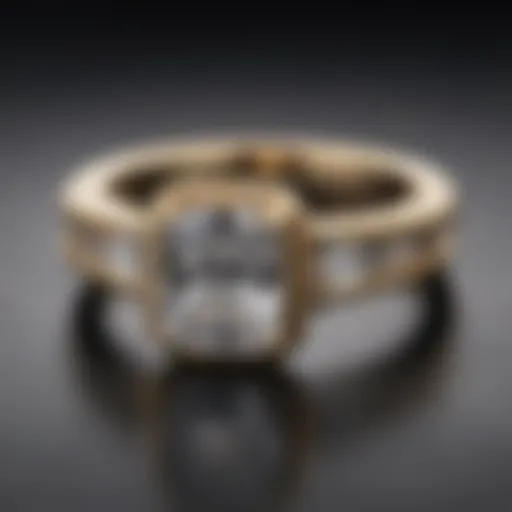
In a world where personalization reigns supreme, the significance of a ring, particularly one that may need resizing, often sparks curiosity and concern. Whether it’s a family heirloom, a piece gifted on a special occasion, or simply a personal purchase, the journey to finding the perfect fit can be a detailed one. Downsizing a ring isn't just about making it small enough to fit a finger; it's about embracing the emotional value attached to it, ensuring its integrity, and understanding the complexities that come along with the resizing process.
Gemstone Overview
Understanding the essence of gemstones is crucial when contemplating ring downsizing. Each gemstone carries its own history, energy, and significance, intertwined with the very reason behind the ring's existence.
Definition and characteristics
A gemstone, at its core, is a piece of mineral crystal that is polished and cut into a desired shape for decorative purposes. Not all stones make the cut; those deemed precious or semi-precious often hold more allure due to their luster, rarity, and durability. For instance, consider a brilliant diamond—synonymous with engagement and commitment. The complexity of its structure enhances not only its beauty but also the technical challenges associated with resizing.
Classification of gemstones
Gemstones can generally be divided into two main categories: precious gemstones and semi-precious gemstones.
- Precious gemstones include diamonds, rubies, sapphires, and emeralds. These are often characterized by their unmatched brilliance and high market value.
- Semi-precious gemstones cover a wider array of stones, such as amethyst, aquamarine, and garnet. While they may not be as prestigious, they hold unique beauty and charm.
When thinking of downsizing, it's essential to weigh the type of gemstone involved. Each fits along a spectrum of characteristics: durability, brilliance, and even emotional resonance.
Properties of Gemstones
Gemstones are primarily defined by two types of properties—physical and chemical. Both are pivotal in understanding how resize operations can impact the stone's integrity and overall aesthetic.
Physical properties
The physical attributes of gemstones include aspects such as hardness, brilliance, and refractive index. A gemstone like a diamond boasts exceptional hardness, rated at 10 on the Mohs scale, making it one of the toughest materials. In contrast, softer stones like opals, which rate at just 5.5 to 6.5, can be significantly more vulnerable during resizing, necessitating a gentler approach.
- Hardness: Impacts scratch resistance and durability during the resizing process.
- Brilliance: The way light interacts with the stone can alter the visual appeal post-resizing.
Chemical properties
The chemical composition of a gemstone additionally influences its behavior during resizing. For example, the way heat is applied or the type of solder used can vary greatly based on the stone's makeup. A sapphire, largely composed of aluminum oxide, can withstand higher temperatures than a delicate turquoise, which has a much lower tolerance to heat.
- Potential reactions: Different gemstones may react differently to soldering and other resizing techniques.
- Sensitivity: Some stones require specific treatments or methods to preserve color and clarity.
"Understanding the nature of your ring’s gemstone plays a vital role in determining the best approach for resizing."
With the technical knowledge of gemstones in mind, it becomes easier to assess how the resizing process can be navigated without compromising the ring's original charm or value. This foundational understanding sets the stage for discussing the nuances of ring downsizing, enabling gemstone enthusiasts to make informed decisions throughout this delicate procedure.
Preface to Ring Downsizing
In the intricate world of jewelry, the ability to downsize a ring is not just a matter of comfort, but also of practicality and emotional significance. Rings often symbolize life's pivotal moments, and their fit can reflect personal journeys. For gemstone enthusiasts and collectors, the resizing process can open doors to fully enjoy their treasures without discomfort or worry. Understanding the details of downsizing helps individuals navigate both the emotional and technical facets, leading to a more satisfying experience.
Understanding the Need for Downsizing
Sizing a ring down can feel like a big step, but it often stems from real necessity. As time goes on, a person’s finger size may change due to factors like weight fluctuation, aging, or even climate variations. It's a common misconception that jewelry fits perfectly for life; however, fingers can swell in the heat or shrink in the cold. In addition, some might simply find their original fit uncomfortable over time. This need becomes more pronounced when a ring is particularly meaningful, such as an engagement or family heirloom, making proper fit all the more crucial.
"A ring that’s too loose can slip off at the worst time, but one that's too tight—well, that’s just an everyday battle."
Common Reasons for Ring Resizing
Rings come with their own stories, and often those stories require a little adjustment. Here are a few reasons why someone might find themselves considering a resize:
- Physical Changes: Life events like pregnancy, weight loss, or gain can directly affect finger size.
- Fashion Trends: Sometimes people want a change in style, which might lead them to want a snugger fit for a modern look.
- Practicality: An engagement ring or wedding band may be misplaced if not properly fitted, leading to unforeseen anxiety.
- Inherited Jewelry: Rings passed down often come in sizes that don’t match the new owner, prompting a need for resizing.


Understanding these reasons can ease the mind when considering a resize. Instead of viewing it as an alteration of value, framing it as a personal adaptation can ensure the ring remains an integral part of one’s story.
Factors Influencing Resizing Duration
When it comes to resizing a ring, understanding the various factors that influence how long the process takes is crucial. Each element from the material of the ring to the jeweler's skill can significantly adjust the timeframe for this alteration. Knowing these factors can help you manage your expectations and make informed choices as you embark on the resizing journey.
Material of the Ring
The type of metal used in your ring plays a pivotal role in how quickly it can be resized. Let's break it down:
- Gold: This is one of the most common materials for rings. Depending on the karat and alloy mixture, resizing gold can typically be done easily, but 14k and 18k rings may require a bit more time due to their composition.
- Platinum: Known for its durability, platinum can be slightly more challenging to work with, which may extend the timeframe. This extra time is often because of the specialized tools required for resizing.
- Silver: Rings made of silver often resize quickly, but there's a catch; the quality of the silver matters. Higher purity silver can make the process quicker and easier.
In summary, the material not only dictates the resizing techniques that can be employed but also the tools and skills needed by the jeweler. This interplay impacts how long you’ll be waiting to reclaim your favorite piece.
Complexity of the Design
It’s not just about the material; the design of the ring holds a big weight in how the resizing unfolds. Here's how:
- Intricate Designs: Rings with elaborate patterns, engravings, or multiple stone settings require careful attention. The added complexity means that resizing may take longer as the jeweler must ensure the design maintains its integrity after the process.
- Simple Bands: Conversely, a plain band is generally straightforward to resize, often resulting in a quicker turnaround.
- Stone Settings: If your ring features multiple stones, the jeweler must assess whether to remove them during resizing, which can add additional time.
Design complexity shapes the amount of labor that’s necessary, and thus it is essential to evaluate this when considering how long your resizing will take.
The Jeweler's Experience
The expertise of the jeweler plays an undeniable role in the timeframe for resizing. An experienced jeweler with a solid reputation may often perform the job more quickly due to the following:
- Skill Level: Seasoned jewelers have likely encountered various resizing scenarios, giving them insights into potential hiccups and how to navigate them efficiently.
- Equipment Familiarity: More experienced jewelers often better understand their tools and equipment, leading to quicker resolutions than those who are less familiar.
- Process Understanding: They know the nuances of different ring materials and designs and can anticipate issues that could arise based on their experience.
As you can see, selecting a knowledgeable jeweler not only ensures a quality job but can also significantly impact how quickly you can get your resized ring back on your finger.
Different Methods of Ring Downsizing
When it comes to altering a ring's size, understanding the various methods available is paramount. Each technique carries its own set of advantages and considerations, allowing individuals to select the most suitable approach for their needs. The method chosen not only impacts how long the resizing will take but also affects the ring's original design and integrity. Knowing these methods can help you to make a more informed decision and avoid any mishaps in the process.
Cutting and Resoldering
This is perhaps the most traditional method of ring downsizing. It involves a jeweler cutting the band of the ring, removing any excess metal, and then expertly resoldering the two ends together. The main appeal of this technique lies in its effectiveness; is precision allows a snug fit without altering the overall aesthetic of the piece.
However, this method comes with its own considerations. Depending on the ring's design and the material it’s made from, it can sometimes be challenging. For instance, if the ring is made from a more delicate material, there can be a risk of damaging the band during the cutting and soldering process. Additionally, ensuring the soldering job blends seamlessly with the original metal requires an experienced hand. In essence, for those with intricate designs or valuable gemstones, it’s crucial to choose a jeweler who can deliver quality work through this method.
Using Sizing Beads
An alternative that has grown in popularity is the use of sizing beads. This method doesn’t require cutting the band at all. Instead, small metal beads are added to the interior of the ring, providing a more comfortable fit without altering the ring's structure.
Using sizing beads is particularly advantageous for anyone who may fluctuate in ring size due to seasonal changes or weight shifts. However, this method doesn't work on all rings. Most notably, it is less effective on rings with wider bands or those with a lot of intricate design elements. Plus, they give less of a permanent solution since they can be removed later if desired. This approach offers a fine balance between flexibility and comfort, making it ideal for rings worn on a daily basis.
Fitting a Ring Guard
Lastly, the option of fitting a ring guard has become more common as well. A ring guard is essentially a small wrap or band that fits around the existing ring to make it feel tighter. For those who seek a non-invasive solution, this can be an attractive choice.
This option is great for rings that actually fit but may feel loose due to wear over time. Additionally, a ring guard can offer an opportunity for design creativity, allowing individuals to complement their existing piece rather than alter it structure. But like sizing beads, it might not be suitable for a long-term permanent adjustment, and it can be a bit bulky depending on personal preferences.
Ultimately, the method you choose should align with both your comfort preferences and the specific characteristics of your ring.
Timeframe for Downsizing a Ring
Understanding the timeframe involved in downsizing a ring is essential for anyone considering this alteration. Many individuals might approach the resizing process with only a vague idea of how long it takes, which can lead to frustration or miscommunication with their jeweler. Grasping the various elements that constitute the timeframe can streamline the process, ensuring expectations are met and helping to navigate any potential hiccups along the way. Key benefits of having a well-informed perspective on the duration include improved planning and reduced anxiety during what can be a significant emotional transition.
Typical Duration Based on Method
The duration for downsizing a ring can vary significantly depending on the method employed. Here’s a brief overview of what to expect with each common technique:
- Cutting and Resoldering: This traditional method often takes around 1 to 2 weeks, as it requires the jeweler to carefully remove a piece of the band and solder it back. Precision is vital here, and the time taken ensures quality craftsmanship.
- Using Sizing Beads: This option generally falls on the quicker end of the spectrum. It can often be done within a day or two as it involves adding small metal beads inside the band, which can adjust the size without altering the overall band structure.
- Fitting a Ring Guard: A ring guard adds extra material for better fit and can often be handled in about 1 week since it necessitates some customization to the existing ring’s design.
It's worth noting that a jeweler’s workload can affect these timelines. You might find that a busy shop may take longer, while a jeweler in a less crowded setting could potentially provide a quicker turnaround.
Potential Delays and Considerations
While the methods above provide a rough estimate on timelines, potential delays remain a reality in many resizing situations:
- Jeweler's Workload: The primary factor influencing delay could simply be the jeweler's current queue. If they're swamped with other projects, your resizing may not be prioritized as quickly as you'd like.
- Material Challenges: Rings made of certain materials, like titanium or alternative metals, may take longer due to the specialized equipment required to work with them.
- Design Complexity: A highly intricate design or presence of delicate stones can add additional time to the resizing process. Jewelers need to take extra care to ensure that no stones come loose or get damaged during resizing.
- Customer Input: Occasionally, the process can stall if a customer second-guesses their resizing decision. Taking the time to reconsider the desired size could either delay the process altogether or lead to additional adjustments.
"It's often the simplest task that can become unexpectedly lengthy if overlooked. Being proactive about expectations can save both time and heartbreak."
To minimize delays, effective communication with your jeweler is crucial. Discussing the timeline with them upfront can ensure your resizing experience goes smoothly, without unnecessary surprises.
Finding the Right Jeweler
Choosing the right jeweler is a pivotal step in the ring downsizing process. This person won't just be the one altering your jewelry; they also play a vital role in ensuring that the experience is smooth and satisfactory. The skills of the jeweler can significantly influence the outcome of the resizing, impacting both the look and the comfort of the piece. By selecting a qualified professional, you can rest assured that your precious ring is in capable hands.
It's crucial to look beyond just cost when searching for a jeweler. Presence of expertise and experience greatly shapes the effectiveness of the resizing process. A seasoned jeweler understands different materials and designs intricately, which directly feeds into the quality of their craftsmanship. Ensuring they have a solid track record and a keen eye for detail will save you potential headaches down the road.
Evaluating Credentials and Experience
When it comes to evaluating a jeweler's credentials and experience, it pays to dig a little deeper. Here are some aspects to help assess their qualifications:
- Formal Education and Training: Ideally, the jeweler should have undergone formal training, whether through a gemology school or a related program. This training equips them with knowledge about various gemstones, metals, and techniques.
- Certification: Look for certifications from reputable organizations such as the Gemological Institute of America (GIA) or the American Gem Society (AGS). Certified jewelers typically have met strict professional standards, ensuring a high level of expertise.
- Experience with Downsizing: Specifying your intent to resize should lead to discussions about the jeweler's past experiences dealing with similar requests. They'll be able to share success stories and maybe even some lessons learned from tricky jobs.
Before entrusting a jeweler with your ring, ask pointed questions about their prior experiences. A skilled professional won’t hesitate to discuss their history and the intricate work they've done.
Reviews and Recommendations
Recommendations can be goldmines of insight when finding someone to resize your ring. Talking to people who have had similar work done can guide you in the right direction. Here are some ways to gather valuable recommendations:
- Personal Referrals: Friends, family, or colleagues can share their experiences. A friend’s satisfied smile can often be more telling than any review.
- Online Reviews: Websites like Yelp or Google Reviews can provide a broader perspective. Look for patterns in the reviews; consistent praise or critique in specific areas can show potential strengths or weaknesses of the jeweler.
- Social Media and Online Forums: Places like Reddit or Facebook groups focused on jewelry can be useful. Enthusiasts often offer recommendations or cautionary tales, giving you a real feel about local options.
"Choosing a jeweler is not just about skill; it's a blend of trust and rapport. Your jeweler will be working with something precious, both literally and sentimentally."
Ultimately, selecting a jeweler involves balancing expert knowledge, solid recommendations, and your gut instinct. In jewelry-making circles, a jeweler’s reputation is often well-known. Taking the time to find the best fit for your resizing needs can save you not just money but allow you to preserve the integrity of your cherished piece.
Cost Implications of Downsizing
When considering resizing a ring, it's crucial to understand the financial aspects involved in this process. Not only does resizing carry monetary costs, but it also invites a need to weigh the emotional value attached to the piece. For many, a ring symbolizes significant milestones. Thus, a thoughtful approach to the cost implications of downsizing is essential for making informed decisions.
Pricing Variability by Method
The method of resizing plays a significant role in determining the cost. Different approaches have different price points, reflecting not only the materials used but also the labor involved. Here’s a breakdown of some common methods:
- Cutting and Resoldering: This method typically ranges from $50 to $150. It's often viewed as the most traditional approach. However, if the ring includes intricate details, the price may increase.
- Using Sizing Beads: This is a less invasive technique and might cost anywhere from $30 to $80. It's generally the cheaper alternative if you're just looking for a minor adjustment.
- Fitting a Ring Guard: A ring guard, which can be a good solution for temporary resizing issues, usually runs between $20 and $60. It’s less expensive but may not provide a permanent solution.
As you explore these methods, be mindful that intricate designs or high-end materials, like platinum or detailed settings, can lead to higher charges.
Understanding Appraisal and Insurance Considerations
Appraisal of the resized ring is another crucial aspect to consider. Resizing a ring can affect its overall market value, and in certain situations, a new appraisal might be necessary. Here’s why this is essential:


- Market Value Changes: Proper appraisal is important if the resizing alters the ring’s original characteristics significantly. This can include the nature of the stones, and the integrity of the metal.
- Insurance Coverage: Once the resizing is done, the existing insurance coverage may no longer reflect the ring's true value. It’s prudent to notify your insurer about the changes to ensure you're adequately covered.
Engage a certified appraiser to reassess the ring's value post-resizing and update your insurance policy if needed.
Post-Resizing Considerations
After a ring resizing, there are a number of factors to weigh, shaping not just the physical state of the piece but also its emotional resonance with the wearer. Understanding these post-resizing factors plays a significant role in ensuring that the ring not only looks good but feels right. It’s really about merging the artistic elements of jewelry with the tangible needs of someone who has just made a meaningful change.
Care and Maintenance After Resizing
Once the resizing process is complete, the care and maintenance of your ring are crucial. It helps to ensure that no further adjustments are needed, thereby prolonging the integrity of the ring. Here are a few points to keep in mind:
- Regular Cleaning: Keep your ring shining bright and free from grime. Use a mild soap solution and a soft cloth or a soft-bristled toothbrush to clean intricate settings and stones.
- Check Mountings: After resizing, semi-annual check-ups with a jeweler can be wise. Stones may shift during the resizing process, leading to a potential risk of them becoming loose.
- Storage: Store your ring in a soft cloth pouch or a jewelry box with compartments. This prevents scratching and avoids damage to softer gems.
- Avoid Harsh Chemicals: When using cleaning agents, ensure they’re safe for your specific ring materials to avoid dulling your ring's shine. Remember, some cleaners can react unfavorably with certain gemstones, altering not just the appearance but possibly the value as well.
To really get the most out of your ring post-resizing, think about its environment and how you treat it.
Monitoring Comfort and Fit
After the resizing, keeping a close eye on how your ring feels and fits should be a prime concern. The idea is to make sure that your newly fitted ring feels like second nature to you. Here’s how to assess this:
- Daily Wear Test: Put the ring on and wear it for an entire day. Pay attention to how it feels as you go about your routine. Is it sliding around too much? Is it pinching your finger?
- Temperature Changes: Be aware that fingers can swell or shrink based on temperature. See if the ring remains comfortable under different conditions, such as warmth or after exercise.
- Revisit the Jeweler: If discomfort persists, it’s important to get back to the jeweler. They can provide insights or even adjustments to improve fit.
- Consider Lifestyle: If your hands are often in water, or if your job involves heavy use of hands, watch for changes in the fit over time.
A constant evaluation of comfort can prevent long-term wear and tear. Wise monitoring could save you from future inconveniences, not to mention the monetary aspects of another resizing.
Ultimately, keeping close tabs on both care and fit after a resizing ensures your emotional connection to the ring stays as strong as ever.
Whether you are a collector cherishing heritage pieces or someone entering the fine jewelry realm, understanding how to maintain and monitor your recently resized ring can be key in ensuring it serves its purpose beautifully.
Emotional Aspects of Downsizing
When it comes to downsizing a ring, the technical side often overshadows the emotional weight that accompanies such a decision. It's not just about fitting the piece to a finger; it often delves into personal narratives and memories tied to that piece. Whether it’s a wedding band from a beloved spouse or an heirloom passed down through generations, every ring harbors a story.
This emotional dimension can't be overlooked as its impact can shape the entire resizing experience. For many, let’s say, adjusting a ring can feel like an admission that life’s changed. And it isn't just about size – it’s acknowledging that circumstances have shifted, often due to weighty life events like a change in relationship status or a weight loss journey. Therefore, weaving together the technical and emotional threads provides a more holistic view of the resizing process.
Sentimental Value and Attachment
Sentimental value is a significant player in the scenario of ring downsizing. Rings are not merely accessories; they symbolize milestones and cherished memories. The attachments we form to these tokens of affection can be profound.
- Undoing or altering this bond can be a daunting task. Think about the emotional connection a person might have with their grandmother’s engagement ring; resizing could feel like a betrayal of its history.
- The guilt may creep in, as if changing the size translates to altering the narrative of affection it embodies. This feeling is completely natural. It’s vital to recognize that resizing can actually breathe new life into a piece rather than detract from its value.
To ease these feelings, it can help to remember that resizing a ring doesn’t erase its history. It adapts to the present while retaining the essence of the past. Opting for a resizing can be viewed as a step towards aligning the piece with the current reality, rather than a way of letting go.
Decision-Making Framework
Navigating the decision to downsize a ring can feel like walking through a minefield of emotions. Establishing a decision-making framework can bring clarity to an otherwise turbulent process. Here are few steps to consider:
- Assess the Reason for Resizing: Take a moment to reflect on why the resizing is necessary. Is it a change in your lifestyle, a shift in emotional state, or perhaps the natural wear and tear on the original piece?
- Consult with Trusted Individuals: Talk to family or friends who might share perspectives on the ring’s significance. They may help you process your attachment to the ring.
- Collaborate with a Jeweler: Selecting a jeweler who understands both your technical requirements and emotional concerns is critical. Their insights can make the process smoother, helping you feel secure in your choice.
- Reflect on Alternatives: Before taking the plunge, explore all the options available—perhaps making adjustments or even creating a custom piece that combines elements of the original.
- Give Yourself Time: Finally, don’t rush the decision. Emotions tied to rings can be complex. Allowing time for reflection and contemplation may lead to a more satisfying resolution.
By carefully navigating these emotional aspects, individuals can approach the resizing process with more ease. Recognizing that it's not merely a physical alteration, but a significant life step can be liberating.
Ultimately, as complex as this process may seem, it can lead to a reinvigorating fresh chapter in a ring’s story, allowing it to continue being a cherished symbol of emotion and connection.
Culmination
In this journey through the intricate landscape of ring downsizing, we’ve navigated the depths of what it entails, uncovering layers of factors that play a pivotal role in this transformation. Understanding the resizing process is not just about the mechanics; it’s about appreciating the emotional ties we have to our jewelry, the careful craftsmanship involved, and the significant adjustments in fit and comfort.
Recap of Key Considerations
- Understanding the Need: Before diving into resizing, recognizing the motivations—be it changes in size, style preferences, or personal circumstances—sets the foundation for a more meaningful engagement with your ring.
- Jeweler Expertise: Seeking out a skilled jeweler is paramount. Their experience influences not only the quality of the resizing but also the time frame in which it will be completed, ensuring that the final piece retains its value and integrity.
- Method Matters: Familiarity with different resizing techniques—from cutting and resoldering to the application of sizing beads or guards—can significantly affect the duration and cost.
- Emotional Considerations: The emotional weight associated with a ring should not be underestimated. Resizing often reflects changes in life’s journey, further emphasizing the intimate connection we have to such artifacts.
Final Thoughts on the Resizing Process
Ultimately, the process of downsizing a ring transcends the technical aspects; it becomes a multifaceted experience that intertwines practicality with emotion. A well-informed decision about resizing hinges not only on understanding the various methods and timeframes but also on the personal stories bezels hold.
As you stand at the crossroads of this decision, remember to weigh the significance of the ring in question, ensure you collaborate with a competent jeweler, and embrace the adjustments that will bring renewed life to your treasured piece.