Analyzing the Cost Factors of White Opal Stones
Intro
In the realm of gemstones, white opal stands out due to its unique beauty and captivating play of color. Understanding the pricing of white opals involves a deep dive into various elements that influence their market value, from characteristics and classifications to external economic factors. This journey ultimately aids collectors, jewelry designers, and geology enthusiasts in navigating the complex landscape of gemstone valuation.
Gemstone Overview
Definition and Characteristics
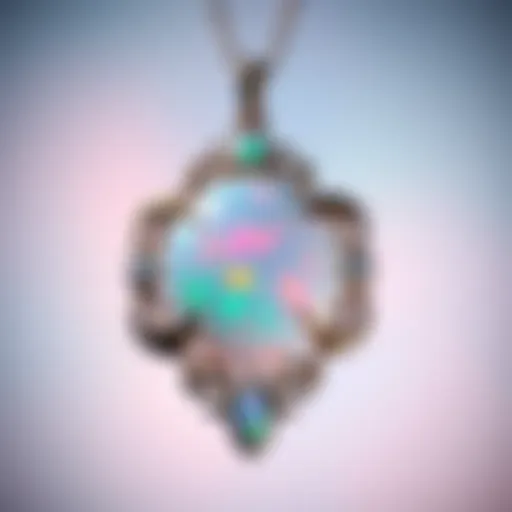
White opal, a milky variety of opal, is celebrated for its mesmerizing play of color. This phenomenon, known as opalescence, manifests as flashes of light reflected by the stone's internal structure. These stones are primarily composed of silica and water, with the water content varying between 3% to 21%. The color range varies from almost transparent to a creamy white, often intersected by vibrant hues that dance across the surface as light hits them from different angles.
Classification of Gemstones
Gemstones can be broadly classified into precious and semi-precious, with white opal generally falling under the latter category. However, their stunning aesthetic properties often see them prized similarly to precious stones like diamonds and rubies. Understanding these classifications helps clarify the market positioning of white opals amidst their more revered counterparts.
Market Trends
White opal's pricing can fluctuate based on market trends influenced by fashion, user preferences, and economic conditions. Recent years have seen a growing interest as more people embrace unique jewelry styles, propelling white opals into the spotlight. Enthusiasts looking to acquire these stones would benefit from being aware of current trends, sourcing options, and price ranges.
"The allure of white opale is not just in its beauty, but in the story it tells to each beholder."
Properties of Gemstones
Physical Properties
The physical properties of white opal play a significant role in determining its market value. Key aspects such as transparency, brilliance, and fire—the term for the rainbow-like flashes of color—are paramount. The body tone, ranging from clear to opaque, greatly affects desirability, with clearer stones typically fetching a higher price.
Chemical Properties
From a chemical standpoint, all opals contain a silicon dioxide base but differ in water content. This variability can affect durability and longevity, with some stones better suited for everyday wear than others. Opal’s hydrophilous nature also makes it sensitive to environmental conditions, which collectors and designers must consider when valuing these gems.
Ending
As we dissect the elements that contribute to the pricing of white opal stones, it becomes clear that both intrinsic characteristics and market dynamics play critical roles. With careful consideration to sourcing, market trends, and the fascinating physical and chemical properties of white opal, prospective buyers and enthusiasts can make informed decisions. Further exploration into the world of opals reveals much more than just their stunning aesthetics; it opens up discussions surrounding ethics and responsible sourcing in this lucrative market.
For those wishing to dive deeper, resources such as Gem-A and GIA offer valuable insights into the geological and economic factors at play in gemstone evaluation.
Foreword to White Opal Stone
White opal, with its soft, ethereal beauty, captivates the eye and stirs the imagination. As a gemstone enthusiast, collector, or designer, understanding white opal's significance can open doors to appreciation and investment. This introduction sets the stage, shedding light on vital elements in our journey through the world of white opals.
First and foremost, white opals are celebrated for their unique play-of-color. This phenomenon, where colors dance across the surface, is what makes each stone a one-of-a-kind treasure. Whether you're eyeing it for personal adornment or considering it as a collectible, grasping the nuances of this gemstone’s allure is essential. The interplay of light, the subtle color variations, and the overall presence of white opal pique interest and drive demand in the marketplace.
Moreover, the cultural significance of white opal cannot be overlooked. Across various societies, it symbolizes hope, purity, and creativity. Much like a blank canvas, it invites the wearer to infuse their identity. Delving into the histories and tales surrounding white opal reveals its deep-rooted appeal in jewelry and art.
In addition to its aesthetic values, white opals carry economic weight. Several factors affect their pricing—size, clarity, color quality—essential for anyone looking to invest wisely. The context surrounding white opal's market trends offers critical insights that give depth to both casual buyers and seasoned collectors. Understanding the economic landscape provides a foundation for making informed decisions in the whimsical world of gemstones.
With all this in mind, we embark on an exploration of white opal’s characteristics, market influences, and the ethical considerations that shape its existence in today’s jewelry arena. The subsequent sections will guide you through the physical properties of this mesmerizing stone, its cultural significance, and the factors that ultimately influence its price in a competitive market.
Characteristics of White Opal
Understanding the specific characteristics of white opal is fundamental to grasping its value in the gemstone market. White opal is not merely a beautiful stone; it showcases a wide array of physical and optical properties that can significantly influence its appeal and pricing. Dive into these characteristics to appreciate the complexities involved in white opal's allure and to make informed decisions whether you're an enthusiast, collector, or designer.
Physical Properties
Color Variations
White opal presents itself in a captivating spectrum of colors. This variation isn't as simple as just being white; it often includes flashes of blue, green, and even hints of pink. The interplay of colors depends largely on the structure of the opal itself—tiny silica spheres that diffract light. This vividness is a key selling point. Buyers are often drawn to richer, more vibrant color patterns; therefore, a white opal displaying striking color play is usually deemed more valuable.
However, color can also be subjective. While someone might find a subtle, pastel-hued opal enchanting, others may gravitate toward those with more intense, vibrant displays. This uniqueness in color allows for a broad appeal across different tastes and preferences.
Moreover, the presence of a transparent or translucent base enhances the appearance of the colors. This transparency amplifies the depth and richness, giving the stone its sought-after lustrous finish.
Transparency and Clarity
Transparency and clarity are significant metrics when assessing white opal. High-quality opals boast a remarkable clarity where inclusions are minimal or non-existent. The clarity not only affects the price but also enhances the visual experience. The ideal white opal should ideally be transparent enough to allow light to pass through, showcasing its internal beauty.
Having said that, some opals with slight inclusions can possess a character of their own, often adding to their story. However, excessive inclusions or opaque conditions can lead to lower values. A clear opal often leads to better reflections of light and, consequently, a brighter overall appearance, which makes it appealing to collectors and designers alike.
Optical Effects
Play-of-Color Phenomenon
One of the most enchanting aspects of white opal is the play-of-color phenomenon. This term describes the gem's ability to display various colors when light interacts with its internal structure. Opals can shift in hue depending on the angle from which they are viewed, creating a mesmerizing dancing effect of color.
This feature is a major draw for potential buyers and is often seen as a hallmark of quality. A stone with an intense and varied play-of-color is often considered a superior specimen, thus fetching higher prices in the market. In the context of purchase considerations, it becomes paramount to evaluate not just the presence of color, but its richness and variety as well.
On the flip side, not all opals offer this play-of-color, which can lower the value considerably. A white opal that lacks this characteristic might not appeal as much to collectors or enthusiasts.
Brilliance and Fire
Brilliance and fire in white opal refer to its ability to reflect light and exhibit the colorful flashes that define its beauty. Brilliance is influenced by a stone’s cut and clarity. A well-cut opal can enhance light reflection, making it appear even more vibrant.
Fire complements brilliance by creating the vivid flashes of color that capture the eye. This effect is particularly sought after in white opal, contributing to its desirability. The interplay of hues against the backdrop of a white body can create an almost magical aesthetic.
Yet, just as with the play-of-color, lower brilliance results in diminished appeal. A lack of fire or poor light interaction results in a stone that lacks that sought-after shimmer. Collectors often seek out opals that exhibit high degrees of both brilliance and fire, not only for their beauty but also as a sound investment.
"A well-formed white opal is not just a stone; it is an experience waiting to be explored."
Finding the right balance among these characteristics ultimately dictates the pricing trends in white opal stones. Each quality, whether it be color, clarity, or optical phenomena, plays a pivotal role in defining both the allure and the ultimate market value.
Factors Influencing the Price of White Opal
Understanding the various elements that impact the price of white opal is crucial for anyone interested in investing in this gemstone. While beauty and aesthetic appeal are subjective, several specific factors contribute to the market value of these stones. Elements like color quality, size and weight, clarity, and the origins can alter the worth significantly. For gemstone enthusiasts, collectors, and jewelry designers, being familiar with these aspects can lead to informed purchasing and optimal investment decisions.
Color Quality
Color quality stands front and center when it comes to price determination. Unlike diamonds, which emphasize clarity, opals draw the eye with their vibrant colors and intricate patterns. White opal can exhibit an array of shades, often influenced by play-of-color effects. Stones that possess a vivid, saturated play of colors fetch higher prices compared to those exhibiting muted tones. To put it simply, a white opal that appears to dance with hues of blue, green, and pink is likely going to have a higher market value than a duller specimen.
- Vibrant colors typically command premium prices.
- Pattern intricacies can also enhance the gemstone's allure and subsequently its cost.
- Shades such as blue and green usually showcase more desirability than lesser-known hues.
In essence, the more striking and dynamic the colors, the more a buyer can anticipate spending.
Size and Weight
Next up, we get to size and weight, both of which are critical in price valuation, not just for white opals, but for gemstones overall. Generally, larger stones tend to be more valuable. This is due to the fact that larger opals are rarer finds in nature, making them more sought after. It’s common in the gemstone market to witness a significant increase in price per carat as the size of the stone increases.
- A small white opal may only cost a fraction of its larger sibling.
- The carat weight can often skew the perceived value—larger stones might go for double or triple the price per carat compared to smaller ones.
For instance, an opal weighing ten carats could be way more valuable than ten one-carat stones, primarily because one larger opal is harder to locate.
Clarity and Flawlessness
Clarity also plays a role in the pricing structure of white opals. In general, gemstones that are free from imperfections tend to hold a higher value. Translucence that allows for the fascinating light play is what buyers seek. Stones without visible inclusions, cracks, or cloudiness yield better prices in the market.
- Flawless opals are exceedingly rare; hence they command higher prices.
- Minor inclusions or surface flaws can lead to a more diminished value.
An opal artisan often ensures to select the clearest stones when creating high-end jewelry, recognizing that clarity has an undeniable influence on both beauty and value.
Origin and Sourcing
Origin has become a noteworthy consideration in the price of white opals, particularly in light of ethical sourcing practices. Australian opals, recognized for their quality and vibrant colors, can often fetch higher prices due to their geographical preference among buyers. This regional allure is intertwined with quality perception.
- Australian white opals usually outrank other origins in terms of market value.
- Sustainable sourcing is garnering attention—from ethical mining conditions to fair trade practices, buyers are increasingly prioritizing responsible sourcing.
Thus, gemstone provenance not only adds a story to the stone but also its marketability. Shoppers who value ethical considerations are often willing to pay a premium for ethically sourced opals.
Market Trends in White Opal Pricing
Understanding market trends in the pricing of white opal is pivotal for anyone interested in gemstones, whether you are a collector, designer, or simply an enthusiast. The intricate interplay of historical data, current demand, and future projections shapes not only the market landscape but also guides purchasing decisions for these radiant stones.
This section delves into the nuances of the historical price trends and current market demands, fostering a deeper understanding of what drives the value of white opal.
Historical Price Trends
Delving into the past can provide vital insight into the fluctuations we observe today. Over the years, white opal pricing has experienced notable shifts. In the early 2000s, white opals were often overlooked in favor of their black and boulder counterparts, which were more popular among gem buyers. However, changes in fashion trends and increasing consumer knowledge about unique opals have set the stage for a renaissance in white opal appreciation.
- 1990s to Early 2000s: Prices were relatively low; the market was flooded with easily sourced stones.
- Mid-2000s: A gradual increase in interest emerged, with prices beginning to rise modestly as more buyers sought distinct gemstone options.
- 2010s: Demand surged, particularly among millennials and discerning buyers, pushing prices higher amid a rise in quality and rarity.
This fluctuating pattern is not simply about market whims; it also reflects broader economic movements, cultural shifts, and the emergence of online markets enabling easier access to these gems. The rise of e-commerce platforms like Etsy and specialty gemstone sites has allowed collectors to compare prices, thereby impacting market standards.
Current Market Demand
Today, the demand for white opals is at a fascinating juncture influenced by several factors:
- Popularity in Jewelry Design: Jewelry designers are increasingly incorporating white opals into collections, appreciating their unique play of colors that exceed ordinary expectations.
- Sustainability and Ethical Sourcing: The contemporary buyer is also more aware of sourcing ethics, prioritizing stones that come from sustainable mines. This consciousness has led to a preference for ethically sourced white opals, making them more sought after despite potentially higher price tags.
- Global Trends: Markets in Asia, particularly China, have seen a growing affinity for gemstones, including white opals. This has inflated prices due to high demand from these regions, effectively transforming the global market landscape.
Observation: According to reports from gemstone industry analysts, white opals could see increased valuations in the coming years as awareness and appreciation continue to spread. This is especially true for opals with striking color patterns and desirable origins.
"The rise of social media has played a crucial role in popularizing gemstones. Platforms like Instagram give instant visibility to unique designs featuring white opal, stirring global interest."
By scrutinizing these trends, those interested in purchasing white opals can make informed decisions informed by past performance and current market behaviors. Understanding these dynamics is key when navigating the often tumultuous waters of gemstone investment.
For more comprehensive details on gemstone market trends, consider websites like Wikipedia, or industry forums on Reddit, where enthusiasts share tips and insights on gemstone pricing.
White Opal Compared to Other Gemstones
When delving into the world of gemstones, it’s essential to compare different varieties and understand what makes white opals stand out. White opals are often the unsung heroes of the gem world, overshadowed by their more famous cousins, like black opals and boulder opals. However, their unique characteristics and pricing nuances deserve recognition. It’s more than just about beauty; it’s about exploring their value, aesthetic qualities, and emotional connections.
Comparison with Black Opal
Black opals carry a certain mystique that often places them on a pedestal in the gemstone hierarchy. The dark background of black opals amplifies color play, creating a vibrant spectacle that seems to leap right off the stone. In contrast, white opals exhibit a gentle brilliance with an equally mesmerizing play-of-color against their pale setting.
Some enthusiasts might consider the higher price tag of black opals as justified due to their rarity. However, when examining white opals, one must appreciate the subtler beauty and the nuances of their color palette.


Key Differences:
- Color Play: While black opals gleam with intense hues, white opals often exhibit softer, pastel shades, which can be equally enchanting.
- Price Point: Generally, black opals are more expensive due to their scarcity. The average cost of a black opal can surpass that of a white opal, but the latter's comparative affordability often attracts new collectors.
- Use in Jewelry: Black opals are favored in statement pieces, while white opals hold their own in delicate, everyday jewelry, making them versatile options for various styles.
In essence, while black opals dazzle with their depth and vibrancy, white opals charm through their subtleties and versatility, appealing to collectors who appreciate understated elegance.
Comparison with Boulder Opal
Transitioning to boulder opals, the main attraction lies in their unique matrix, often still featuring fragments of the host rock. Boulder opals present a raw beauty that tells a story—each stone is a one-of-a-kind masterpiece. The striking contrast between the opal and the ironstone nodules makes them visually captivating, but some might find the earthy look less appealing than the classic elegance of white opals.
Notable Aspects:
- Material Composition: Boulder opals are found within ironstone, allowing for a distinctive background that contrasts with the opal's colors. White opals, however, exhibit a smooth, uniform surface that appeals to those who prefer traditional gem aesthetics.
- Rarity and Cost: While boulder opals can be rare, their appeal is often limited to niche markets. This can make white opals more accessible for a broader audience in terms of pricing.
- Market Demand: The fondness for boulder opals has surged in artisan jewelry, yet white opals maintain a strong following among those looking for timeless pieces.
In summary, boulder opals strike a balance between natural and artistic whereas white opals offer a clean slate for the imagination. Each type of opal has its distinct charm, allowing enthusiasts to find pieces that resonate with personal taste.
"Understanding the distinctions not only helps in gemstone selection but also enhances the appreciation for their individuality."
In concluding this comparison, it’s clear that both white opals and their counterparts possess unique attributes that cater to diverse preferences. Collectors and jewelry designers can enjoy exploring these differences, leading to informed choices and a deeper admiration for the colorful world of opals.
Ethical Considerations in Opal Sourcing
Considering ethical considerations in opal sourcing is becoming increasingly vital, not just for consumers but also for the entire gemstone industry. The notion of ethics goes beyond simple sourcing methodologies; it encapsulates the impact these decisions have on communities and the environment. The rise in demand for ethically sourced gemstones is prompting buyers to dig deeper, seeking information on how their purchases affect others globally. The positive implications of ethical sourcing can craft a transparent market that benefits everyone involved.
Sustainable Mining Practices
Sustainable mining practices are at the forefront when discussing the ethical sourcing of opals. This focus stems from the aim to lessen the negative repercussions that mining can impose on local ecosystems and communities. Many miners are now adopting techniques that both protect the environment and empower local populations. For instance, certain mines have begun to implement measures such as:
- Reclamation projects: There are initiatives where former mining sites are restored and converted back into usable land, whether for agriculture or recreation.
- Water management systems: Innovative practices are implemented to minimize the water usage and ensure that any waste does not contaminate local water supplies.
- Community engagement: Miners increasingly involve local communities in decision making, ensuring that the concerns and voices of those affected by mining operations are heard and addressed.
These methods not only deliver a clearer conscience to buyers but also highlight the responsibility of gem enthusiasts to seek out these practices.
Fair Trade Implications
The fair trade movement brought a tidal wave of awareness to social justice in commodities, and gemstones are no exception. Fair trade practices in opal sourcing ensure that miners are compensated fairly for their labor, thereby fostering economic stability within the mining communities. The implications of fair trade in opal sourcing are profound, as they create a market that recognizes the labor and expertise inherent in gemstone mining. Areas to consider include:
- Livable wages: Miners receive wages that meet or exceed the local living standards, which drastically improves quality of life.
- Direct trade routes: Bypassing intermediaries allows miners to receive a larger share of the selling price, enhancing profitability for the workers.
- Support for social projects: A portion of the profits from fair trade opals often funds community projects, such as schools or healthcare facilities, thus creating a long-term positive impact.
Ethical sourcing of opals is not merely a trend; it’s a necessary evolution. It paves the way for responsible consumption and supports sustainable communities, allowing gemstone lovers to enjoy their precious finds without a shadow of guilt.
"The greatest danger in times of turbulence is not the turbulence; it is to act with yesterday's logic." – Peter Drucker
By advocating for both sustainable practices and fair trade, we not only enhance the value of the opal but redefine what it means to be a conscientious consumer.
Closure
The exploration of white opal pricing wraps up what has been a thorough dive into a fascinating subject matter. Understanding the price of this beautiful gemstone is like piecing together a puzzle, where each aspect offers its own importance. Collectors, enthusiasts, and potential investors should take time to grasp these concepts, as they will impact both enjoyment and investment strategies.
White opal holds its own unique space in the market, and pricing varies significantly based on numerous factors. From the opal's color quality, a definitive characteristic that can spell the difference between a prized piece and a modest stone, to its size and weight, each stone tells its own story while reflecting its worth.
The clarity of the stone is also a point of concern. Buyers often look for flawless stones that capture light with their brilliance. On a broader spectrum, ethical sourcing has increasingly piqued the interest of the modern consumer. Aware of the implications of mining practices, investors are not merely looking at monetary value but also at the integrity behind their purchases.
Final Thoughts on Investment
When it comes to investing in white opals, potential buyers must weigh their options with care. While the allure of stunning gemstones can be hard to resist, the market is rife with nuances. Some investors might be drawn to the visual beauty and rarity of high-quality stones, while others take a more analytical approach, focusing on market trends and potential future value.
Considering the historical context and current demand is essential; prices can fluctuate widely based on economic conditions and consumer interest. A white opal purchased today might see its value appreciate over time, particularly if the trends suggest a growing preference for ethically-sourced gems.
Moreover, as opal enthusiasts know intimately, this gemstone is not merely a financial investment; it has emotional and aesthetic value as well. The play-of-color phenomenon unique to opals offers a kaleidoscope of visual experiences, making ownership about more than just a price tag. It’s about cherishing a piece of Earth's artistry.
Buyers are encouraged to approach their investments with both passion and prudence. Knowledge is your best tool here, and by understanding the intricacies of the white opal market, one can navigate it wisely. Like any investment, the world of gemstones requires attention, patience, and informed decision-making.